Why Low Cars Scrape on Steep Driveways

If your car scrapes when entering or exiting your driveway, the issue usually isn’t the car — it’s the transition angle.

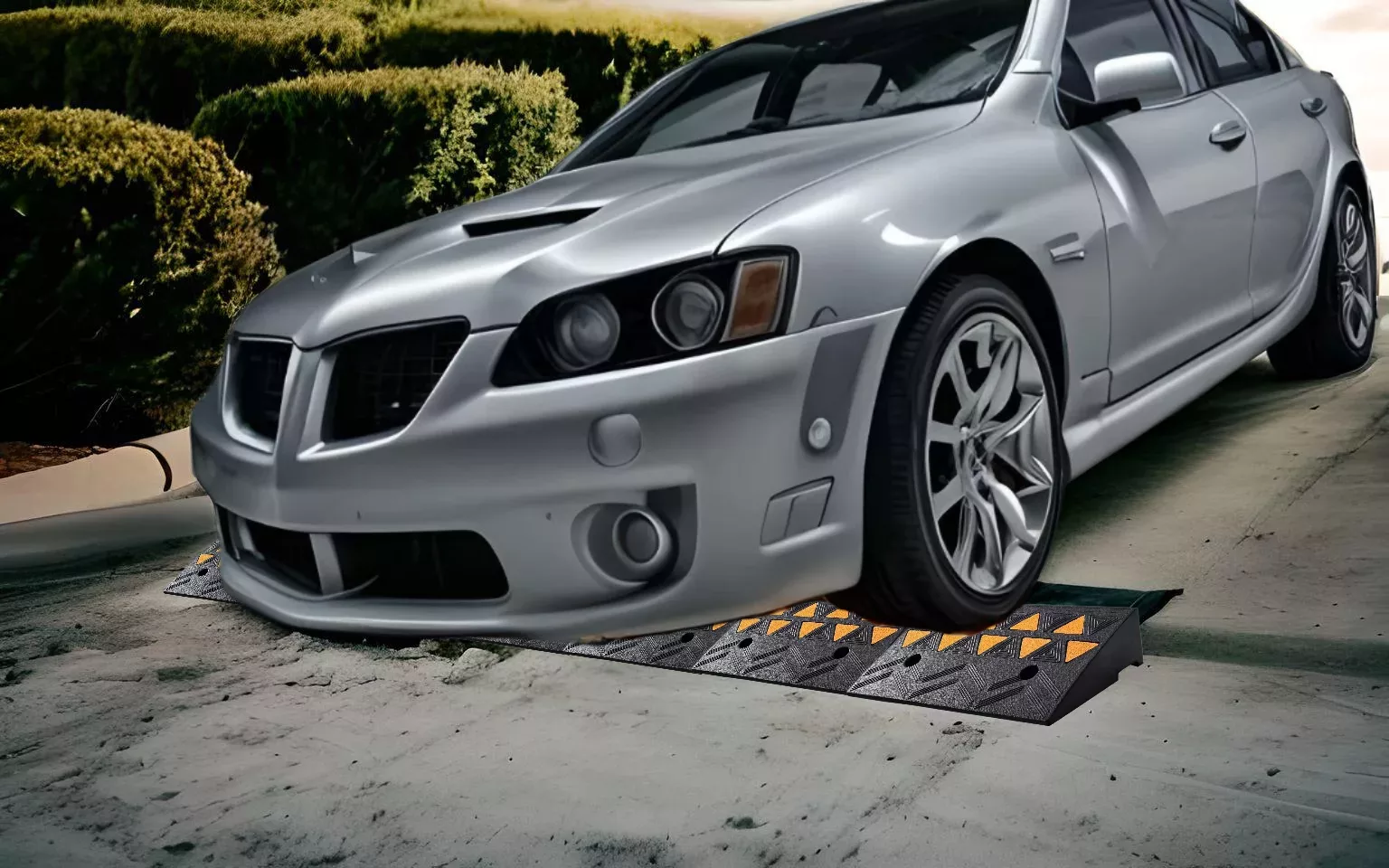
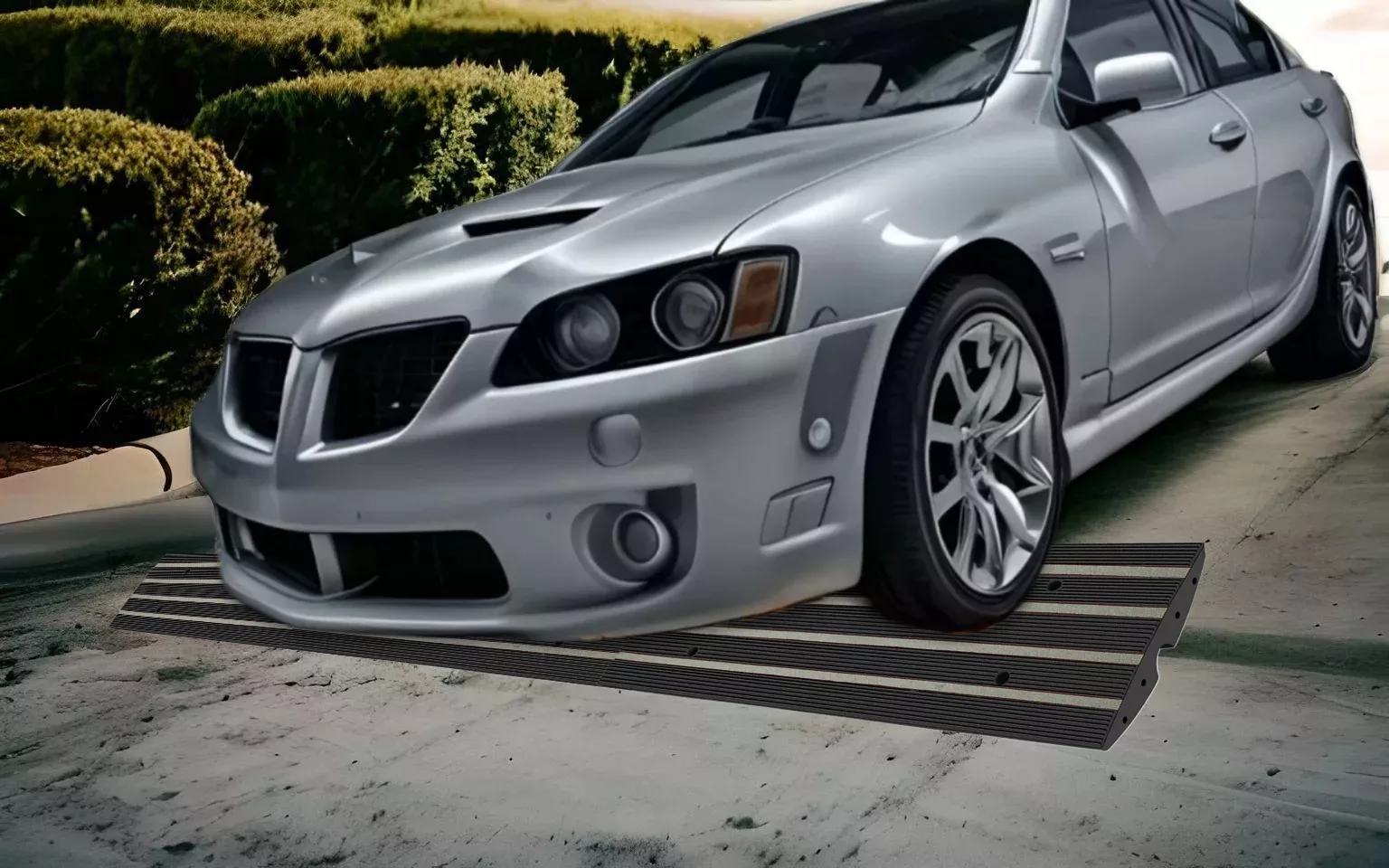
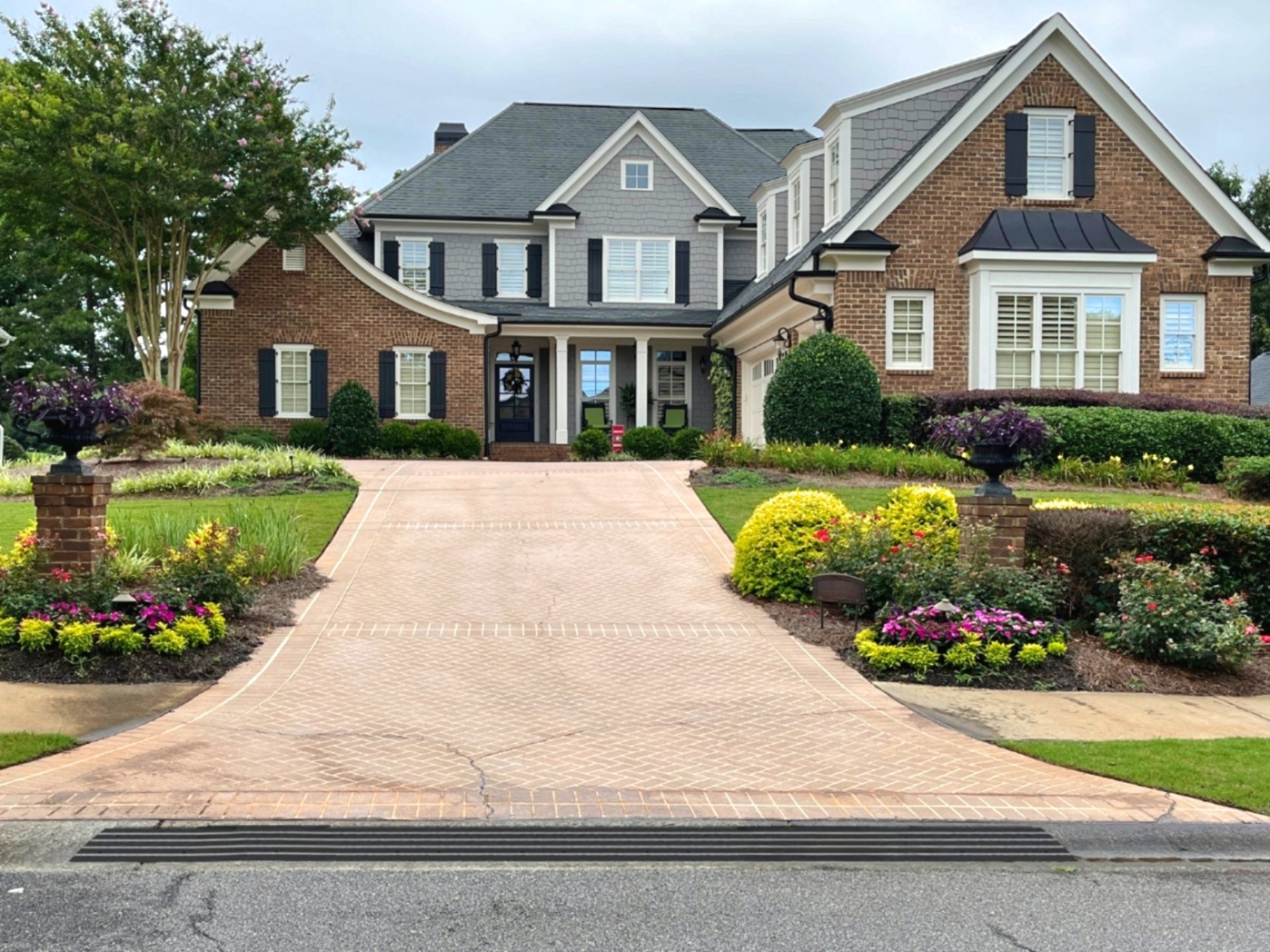
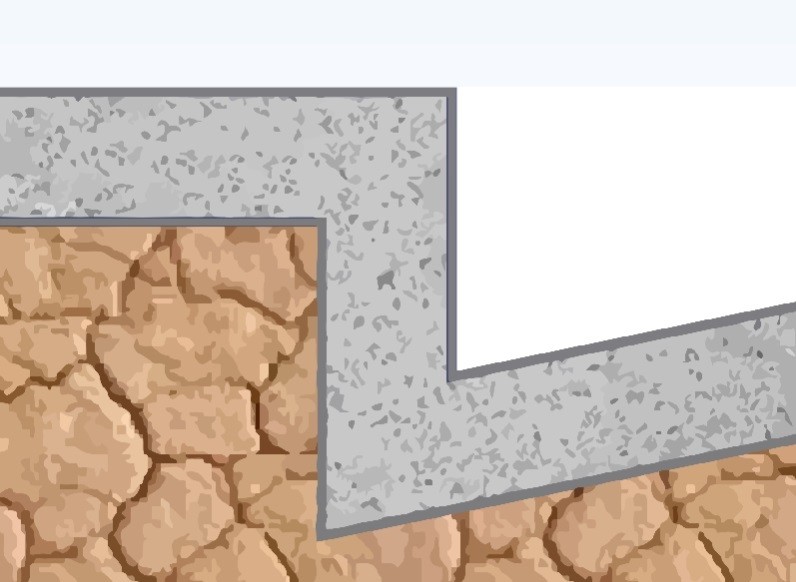
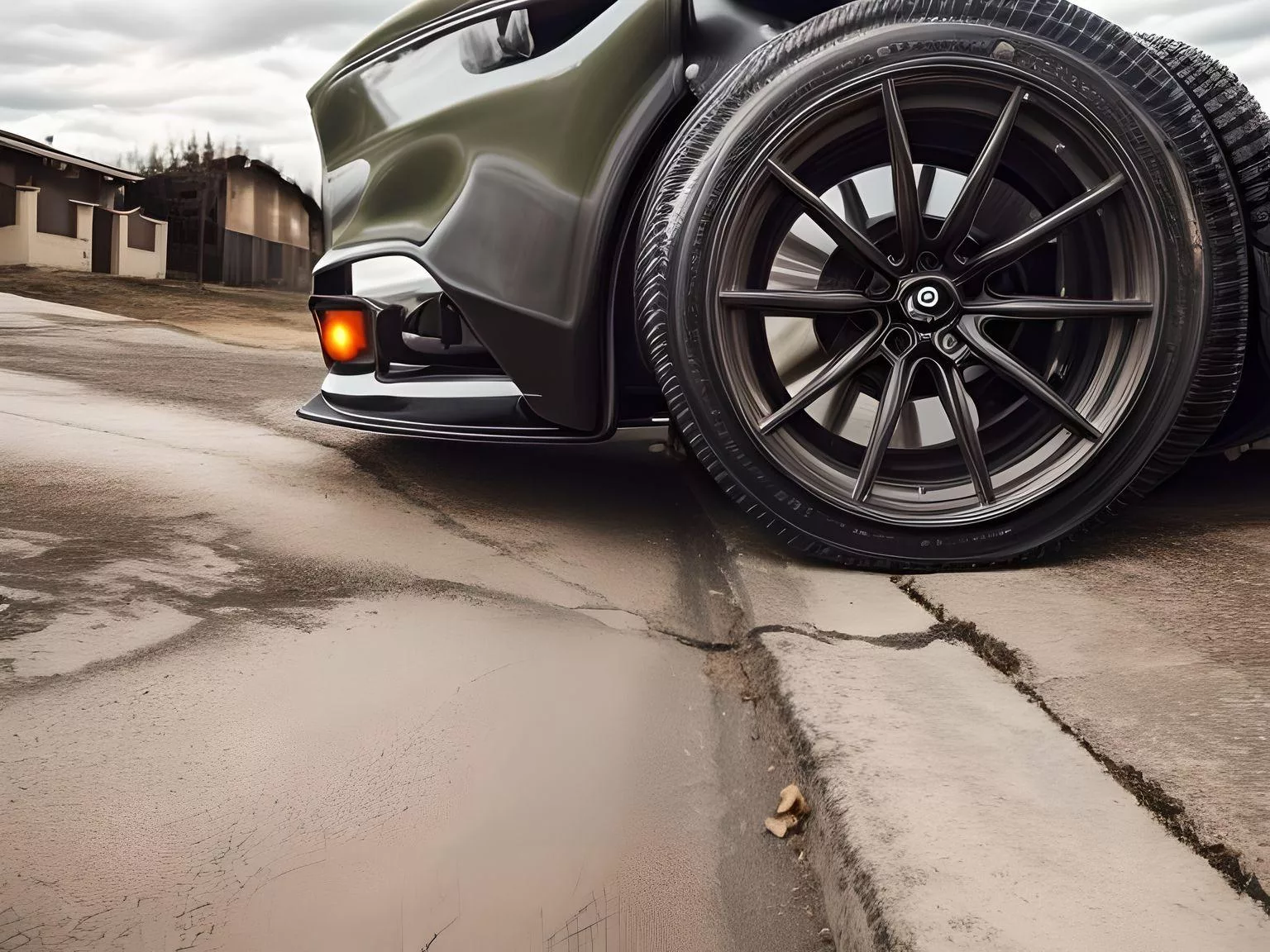
Low-clearance vehicles sit closer to the ground by design. That lower ride height improves handling and appearance, but it also reduces the margin for error when crossing uneven surfaces. When a driveway transitions too abruptly from the street to the concrete, the vehicle’s front bumper, splitter, or undercarriage can make contact before the tires have time to lift the chassis.

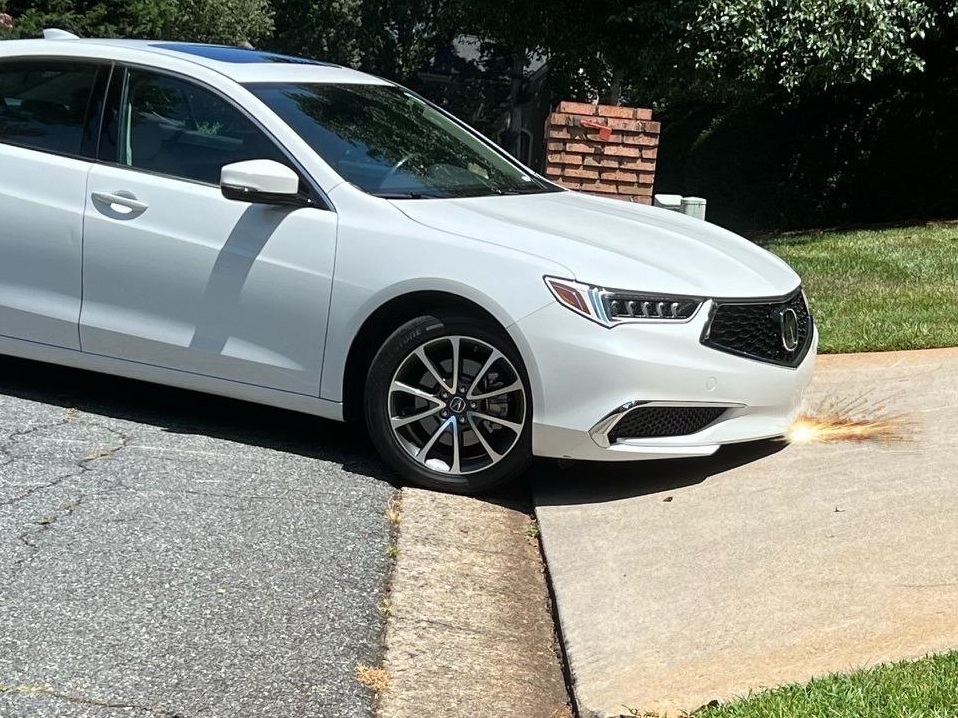
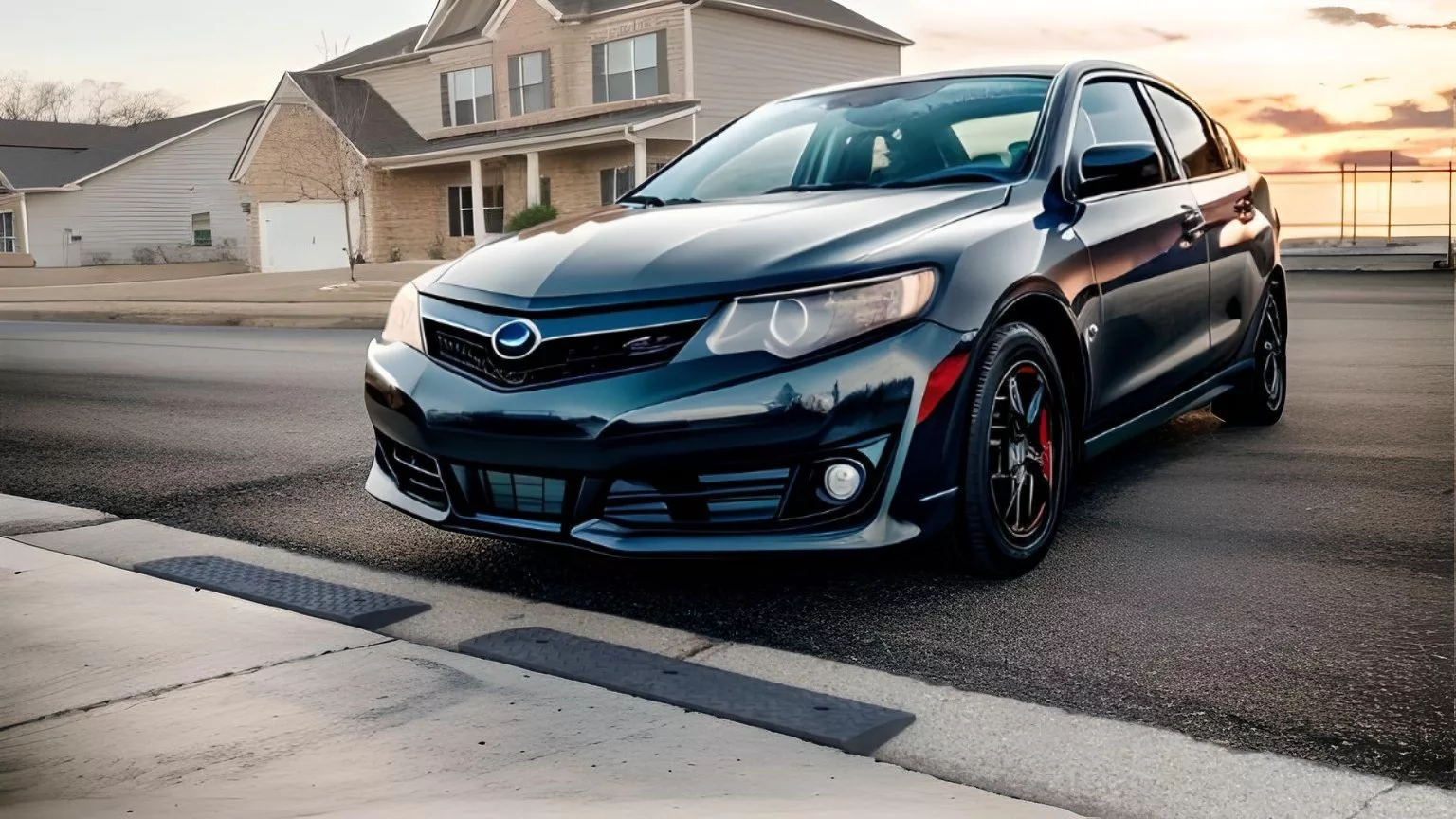
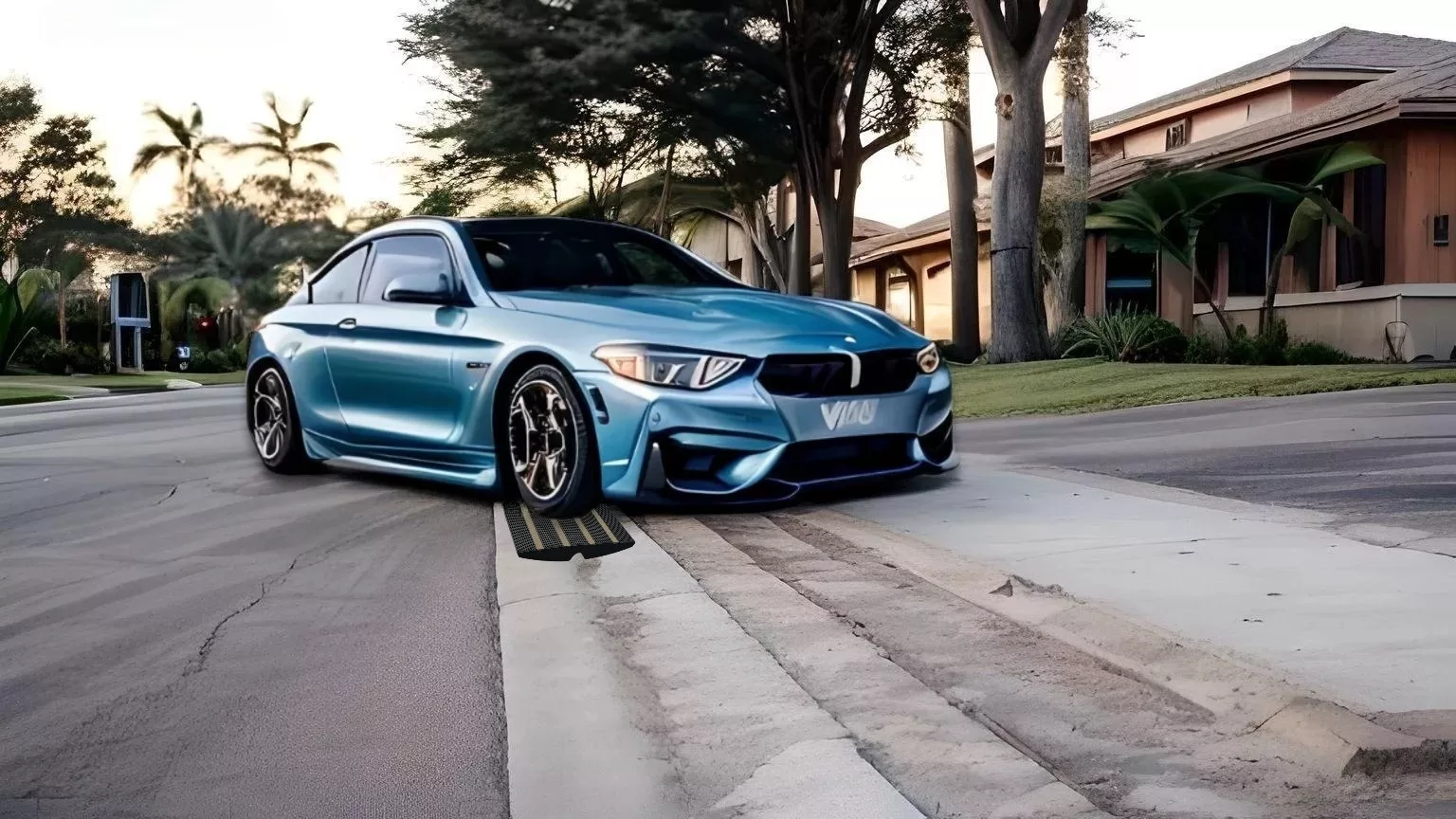
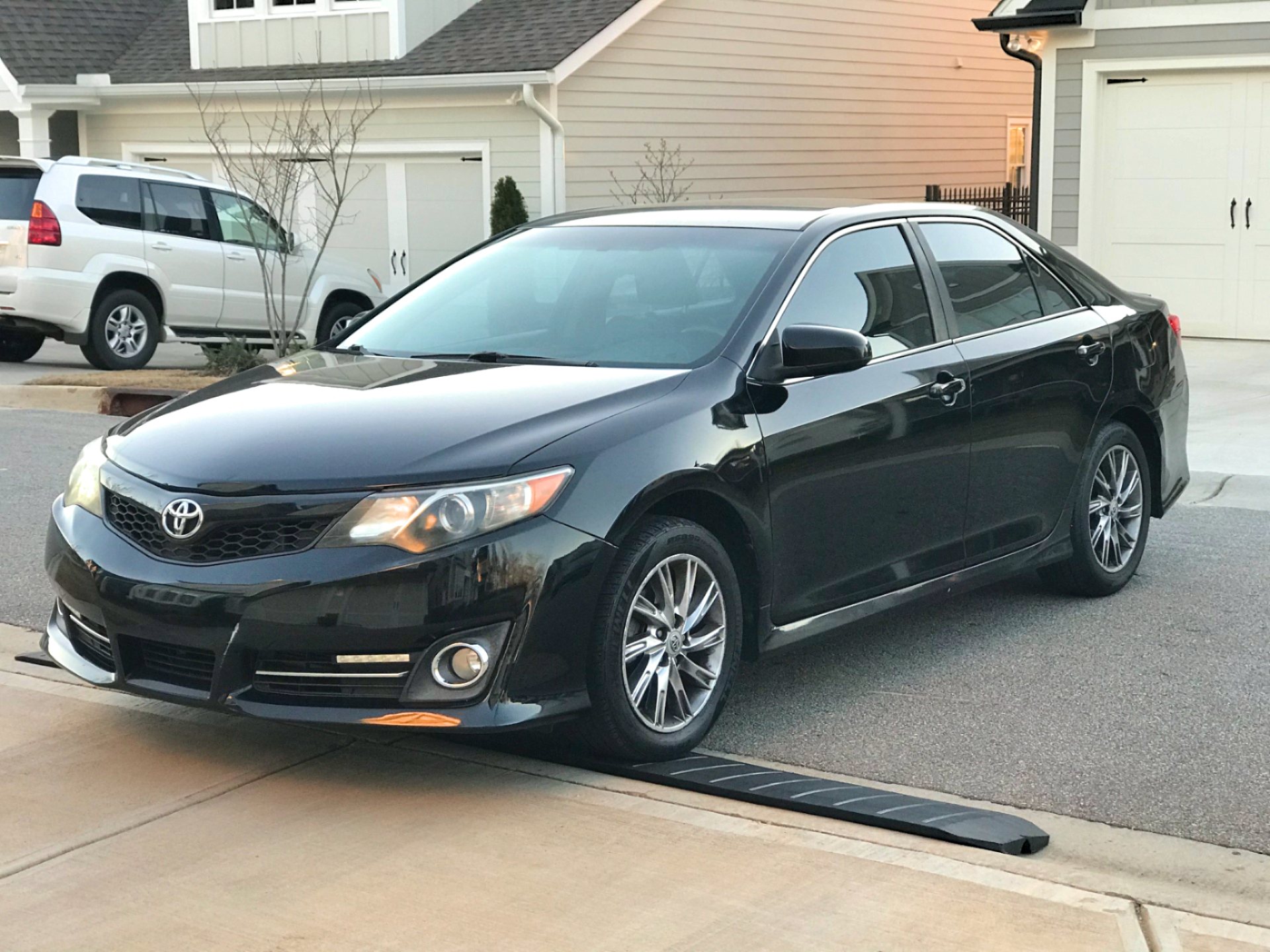
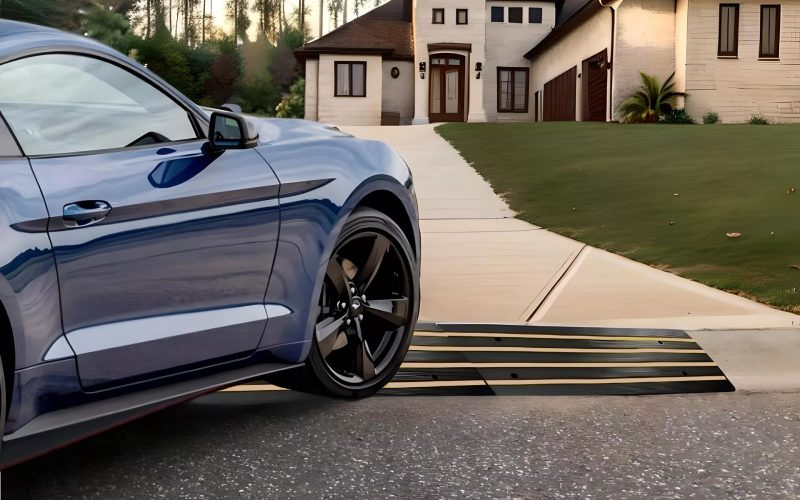
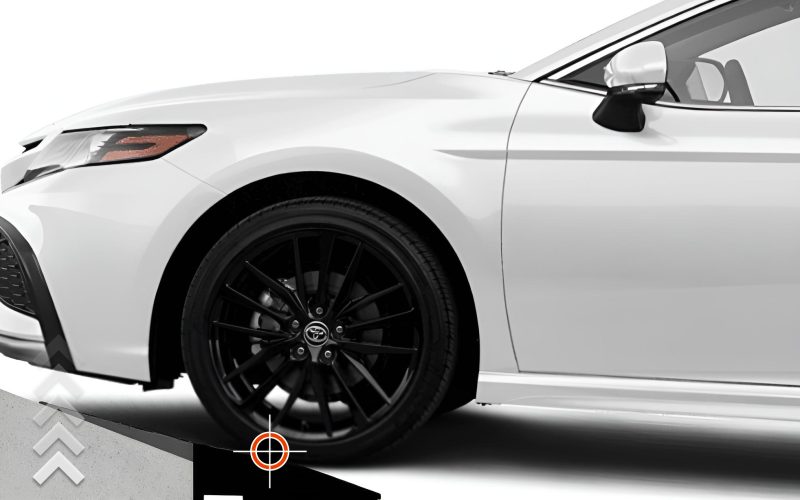
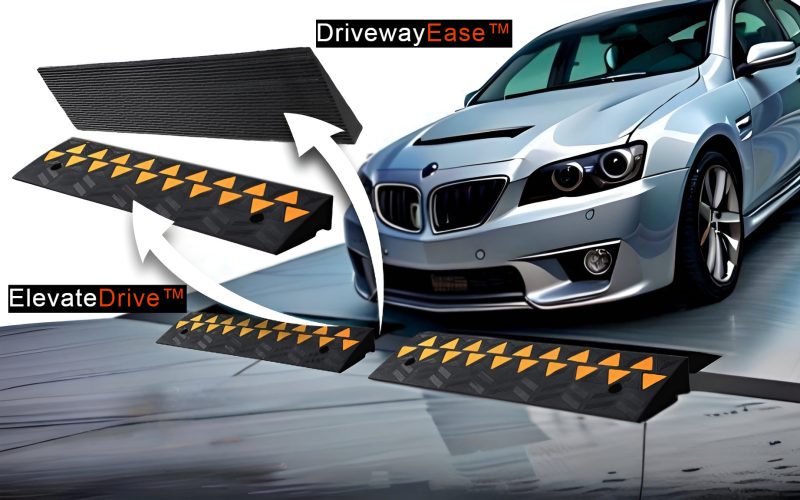
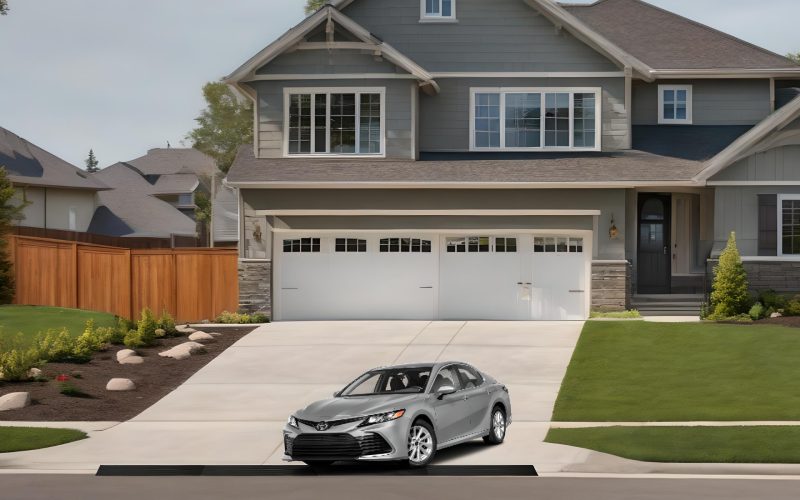
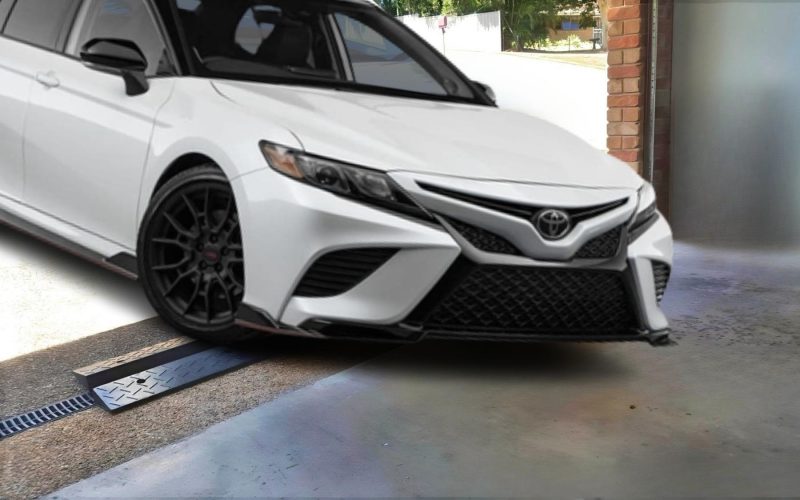
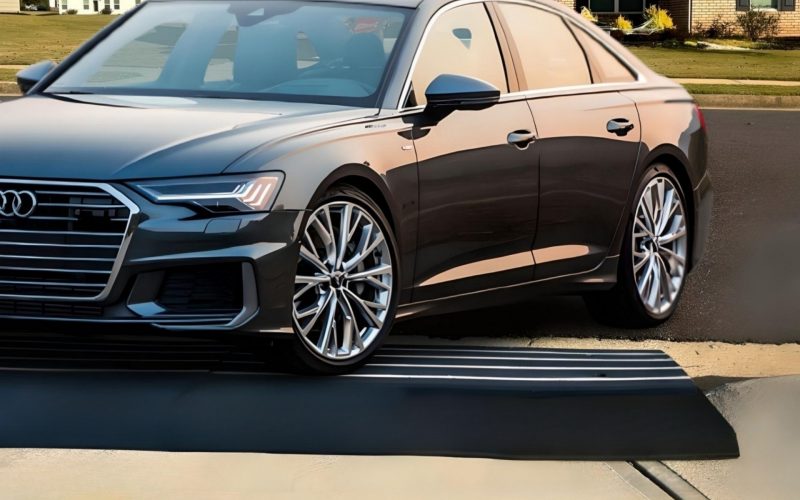
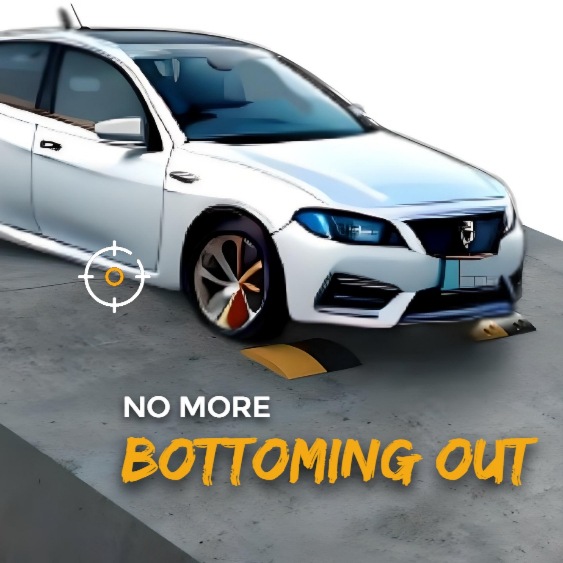
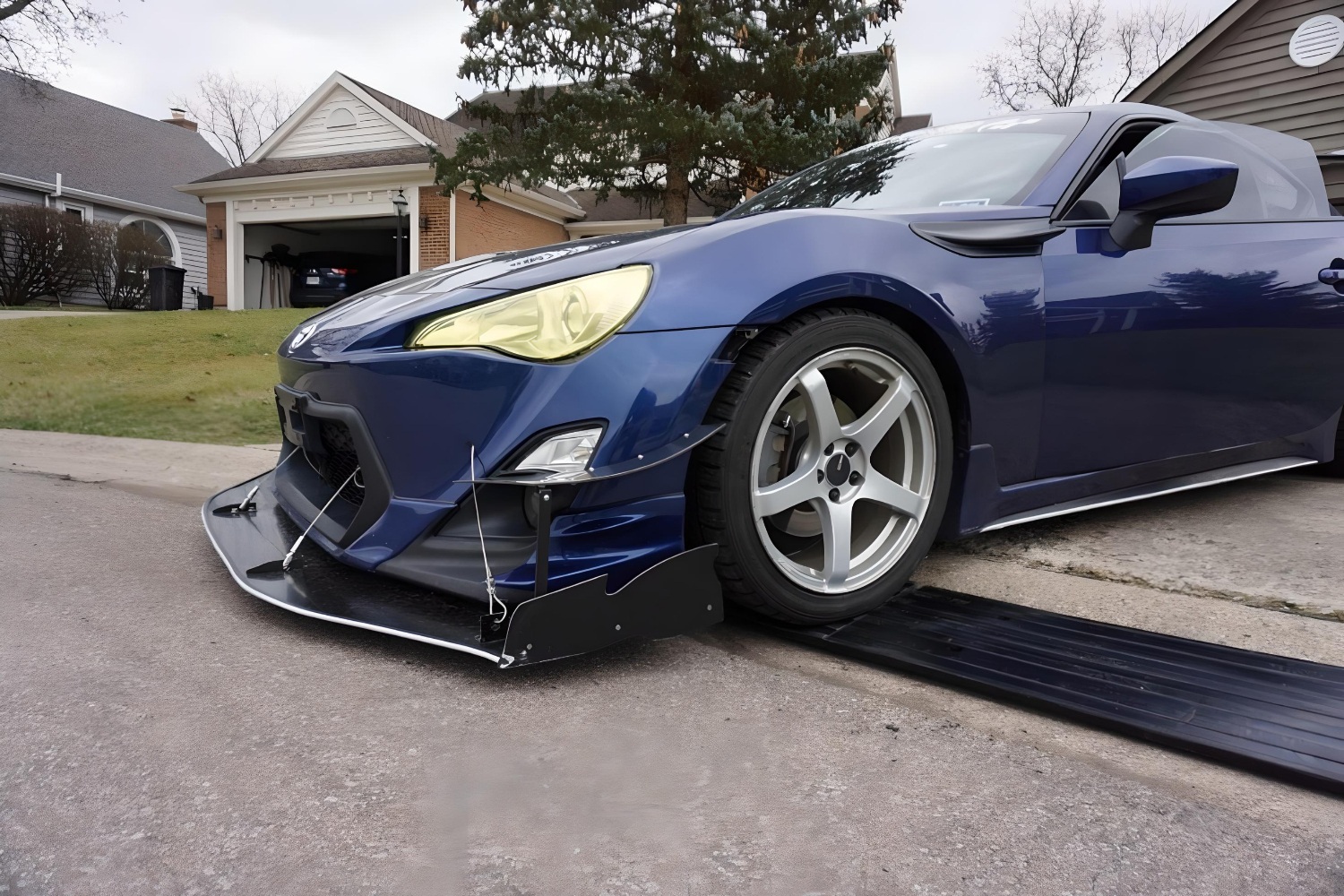
Low-clearance car front bumper scraping on a steep driveway lip during angled entry

Here are the most common causes of driveway scraping:

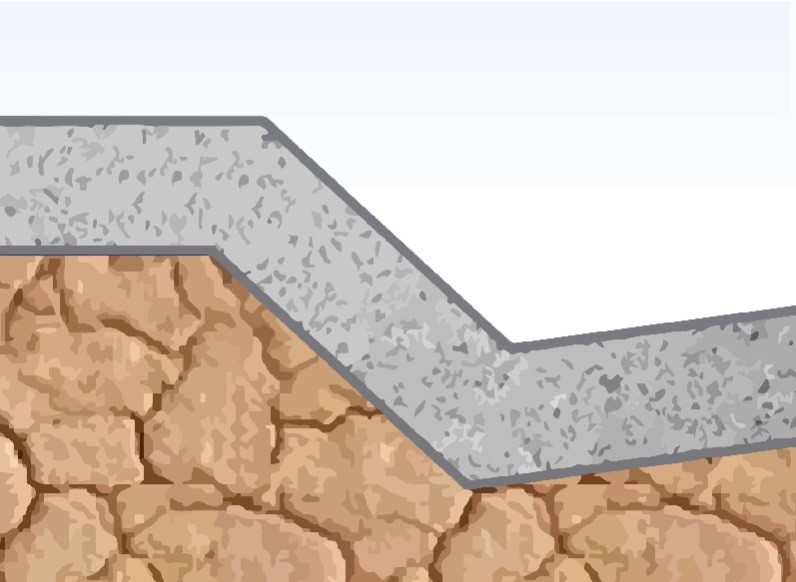
  • Steep apron transitions – When the driveway rises sharply from the road, the approach angle becomes too aggressive for low cars to clear safely.
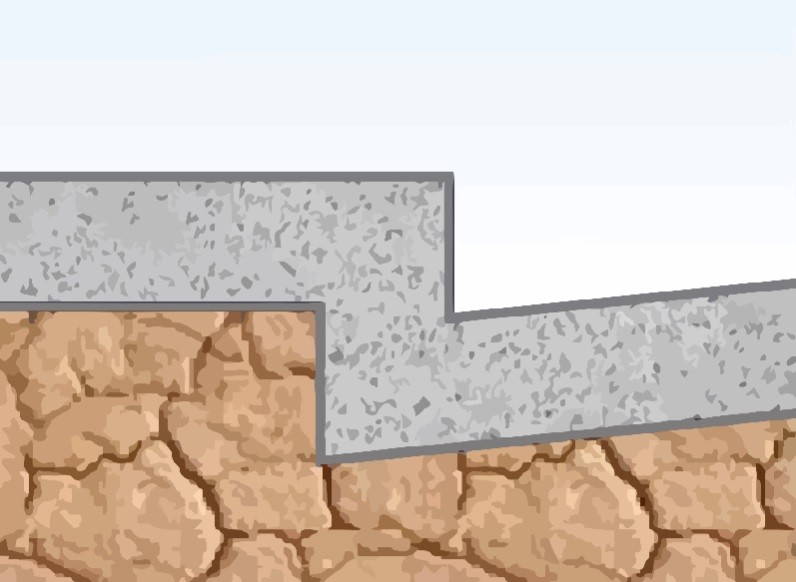
  • Raised driveway lips – A 1–2 inch vertical lip at the curb or garage entry can catch the underside before the tires climb over it
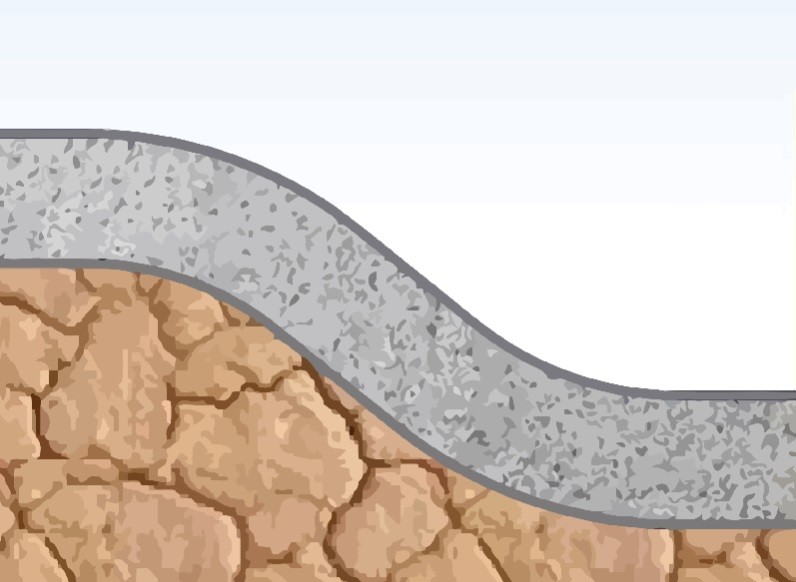
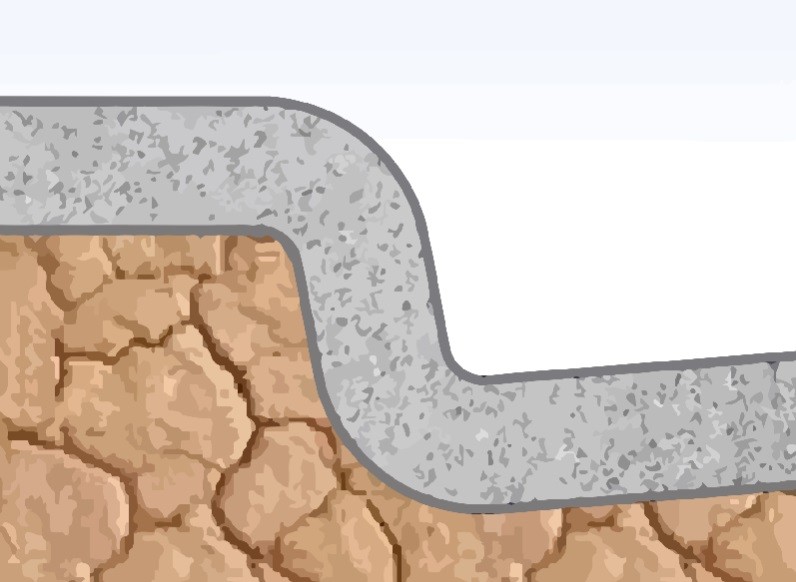
  • Rolled curb drop-offs – Even rounded curbs can create a sudden dip followed by a steep incline, causing contact at the lowest point.
  • Abrupt street-to-concrete angles – When asphalt meets concrete at different heights or slopes, it creates a harsh breakover point that leads to driveway scraping.

Over time, repeated contact can cause:

  • Front splitter damage
  • Exhaust scraping
  • Undercarriage impact
  • Scratched bumpers or cracked plastic trim
  • Long-term wear from constant bottoming out

Even if the scrape seems minor at first, consistent bottoming out can damage components that aren’t immediately visible.

The good news is that in most cases, the solution isn’t modifying your car — it’s modifying the transition.

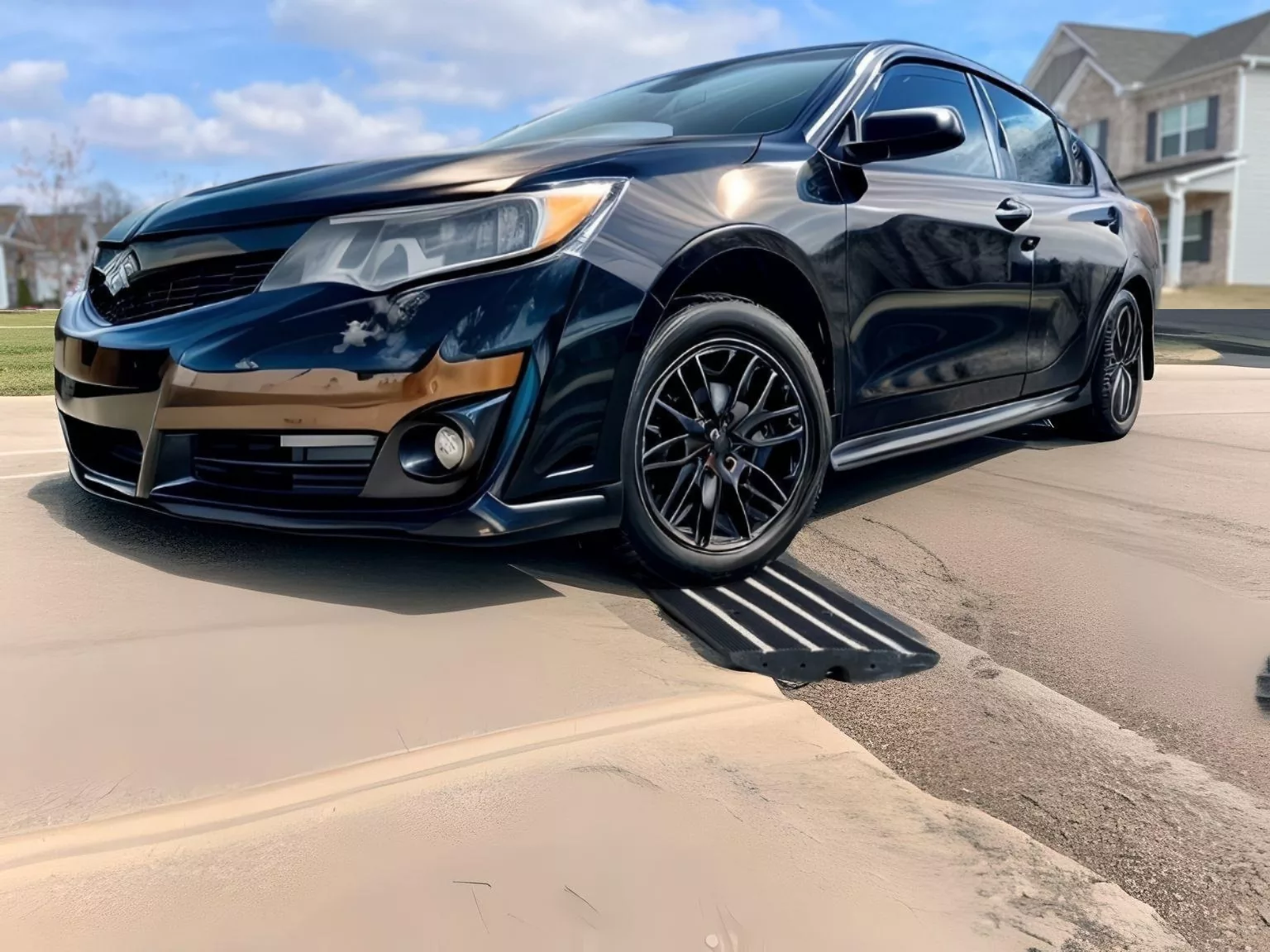
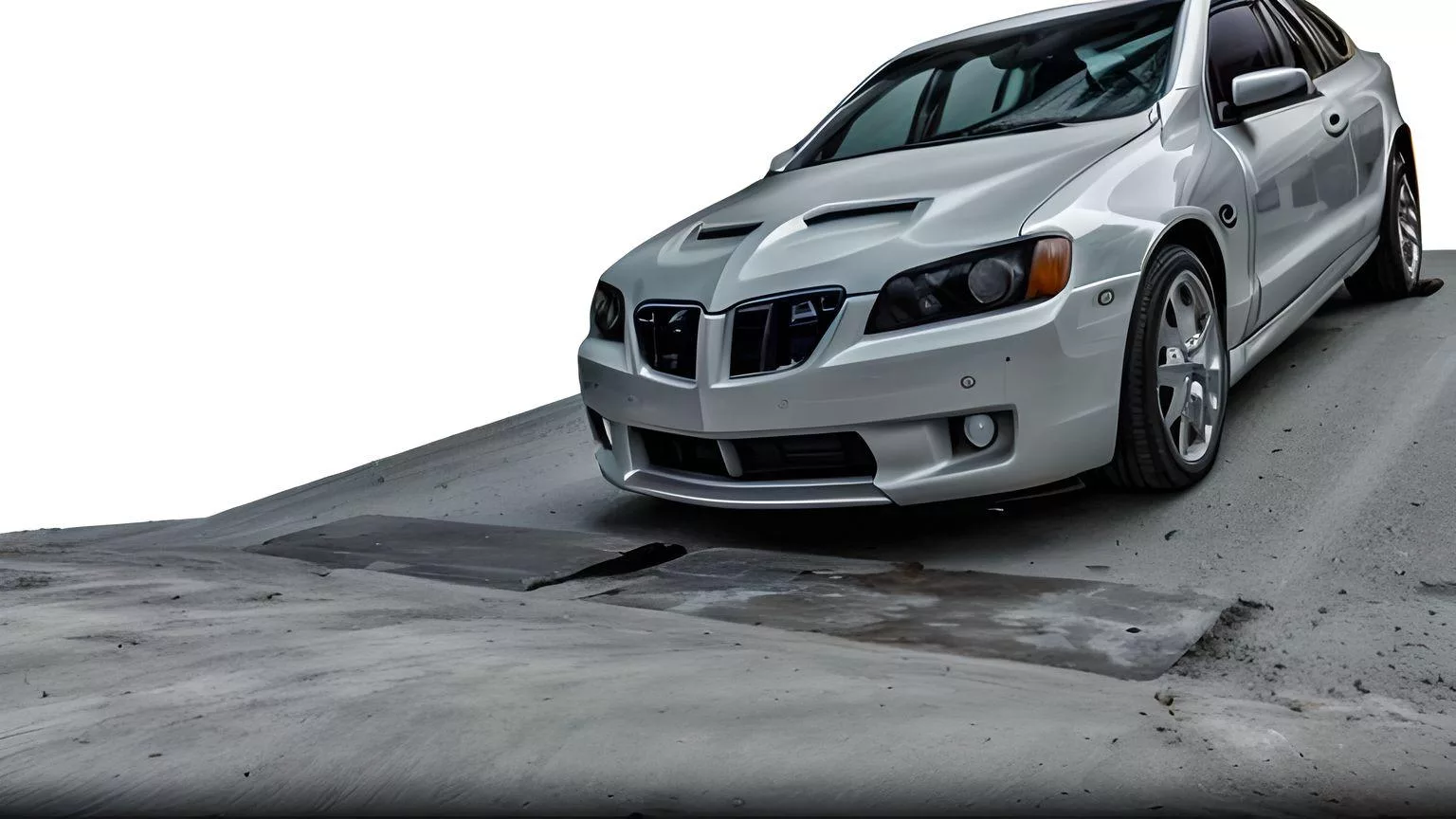
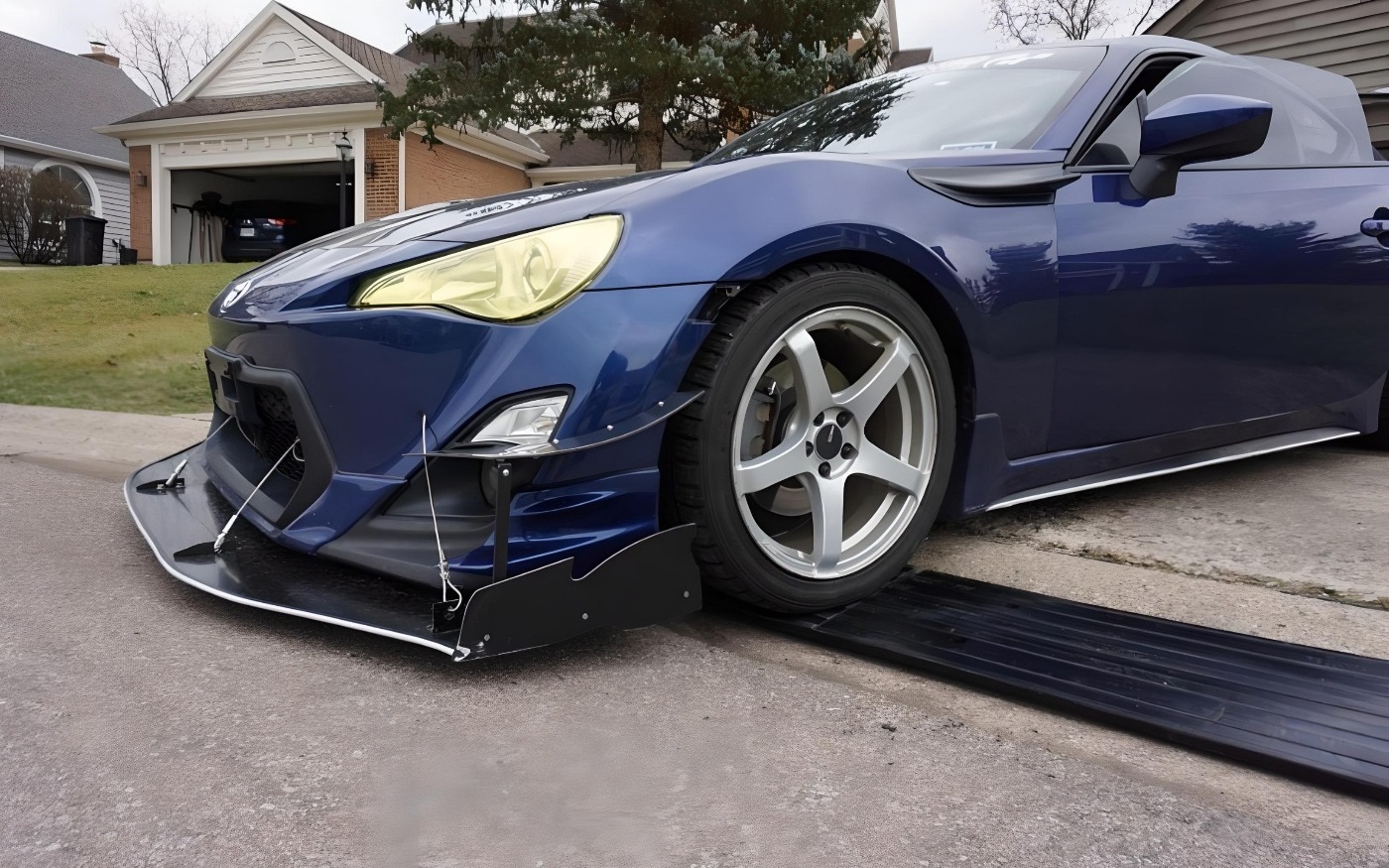
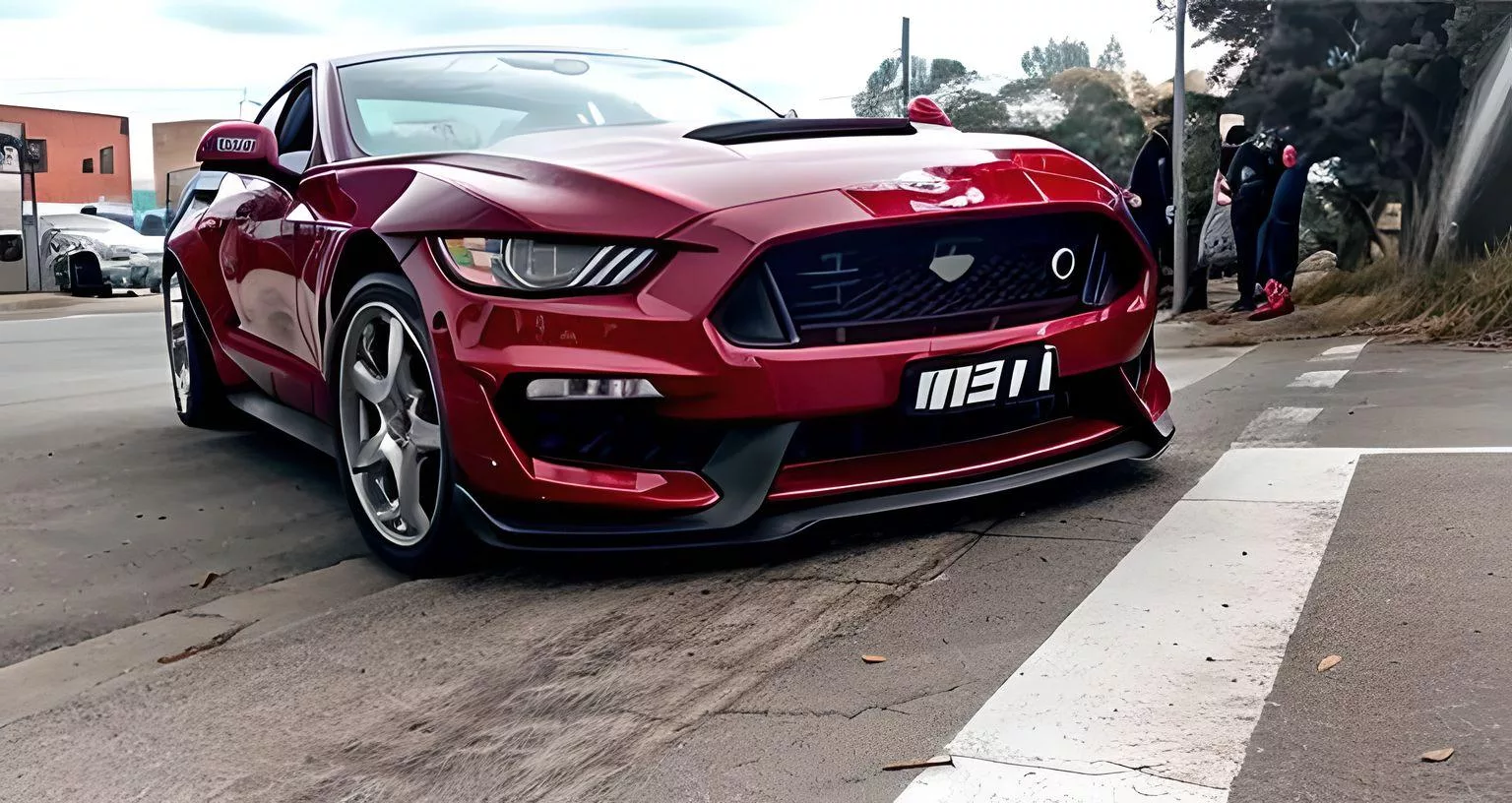
Low car front splitter scraping on a rolled curb driveway dip

How a Driveway Ramp Fixes the Angle

The issue isn’t your car — it’s the transition.

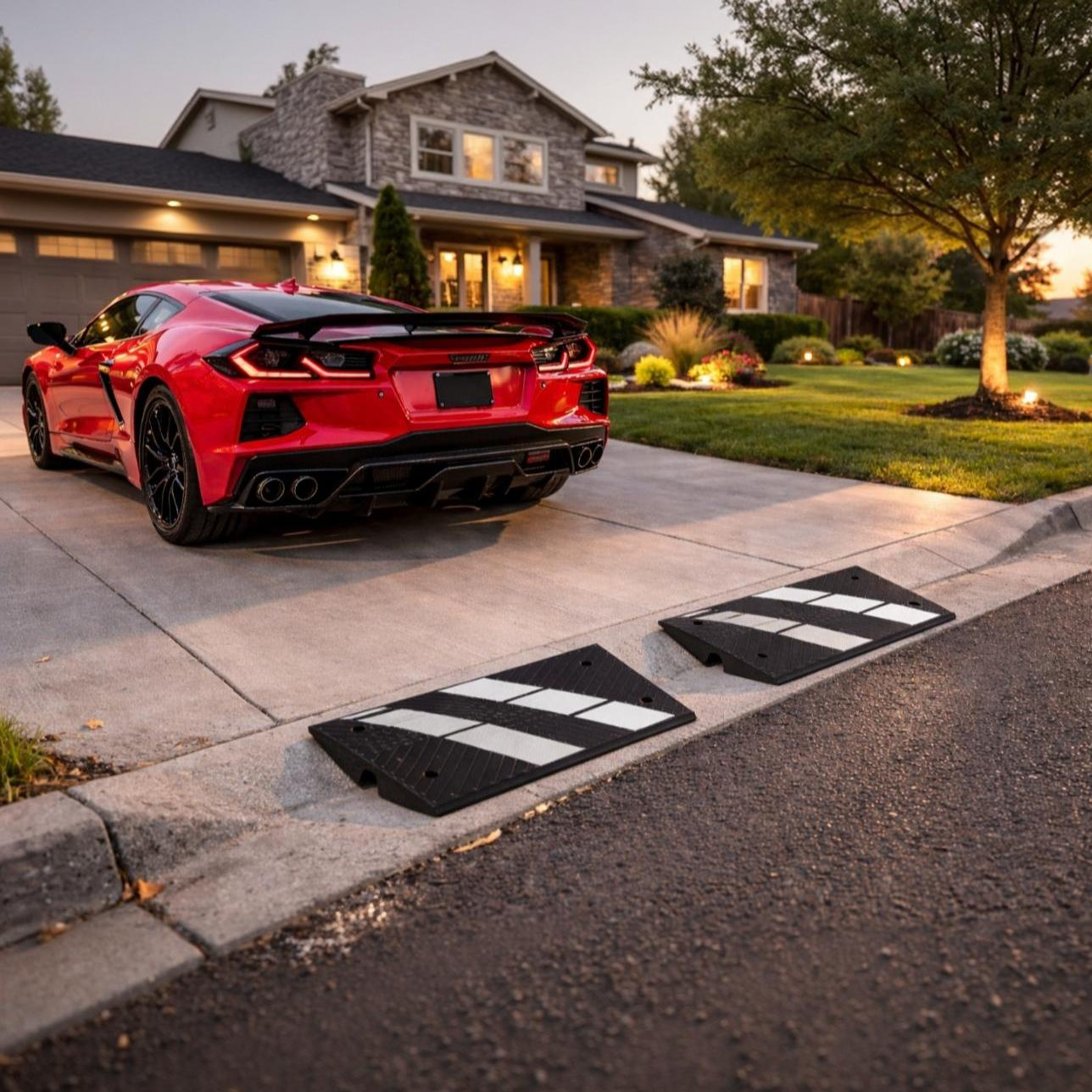
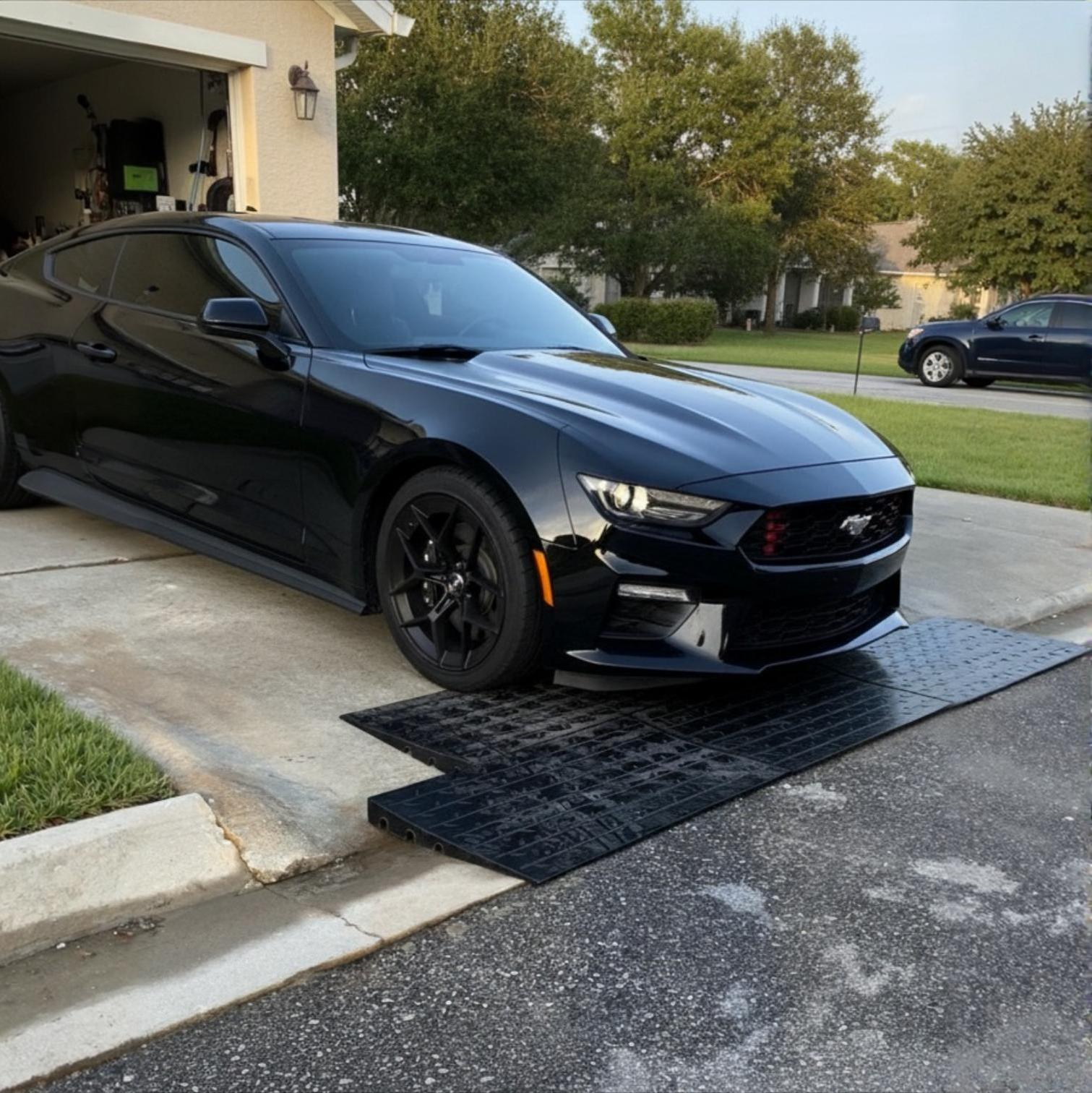
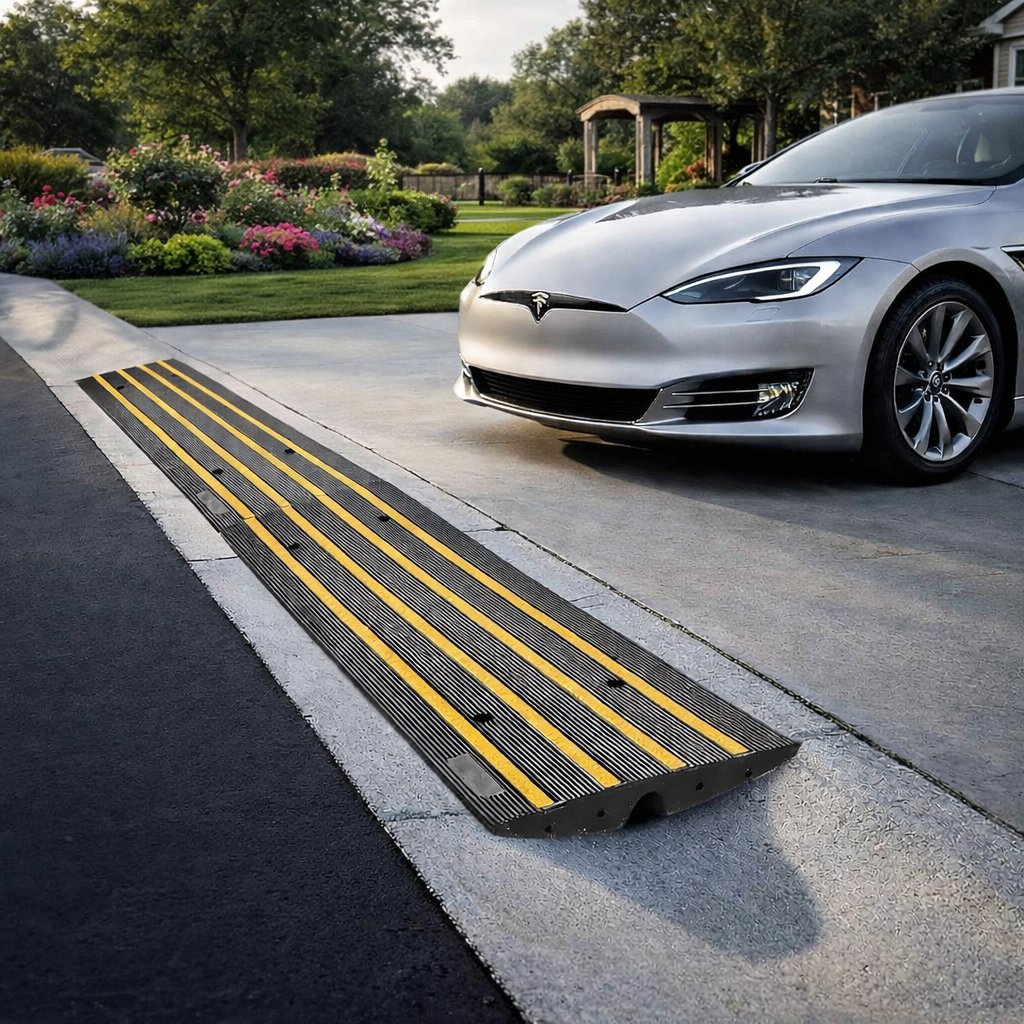
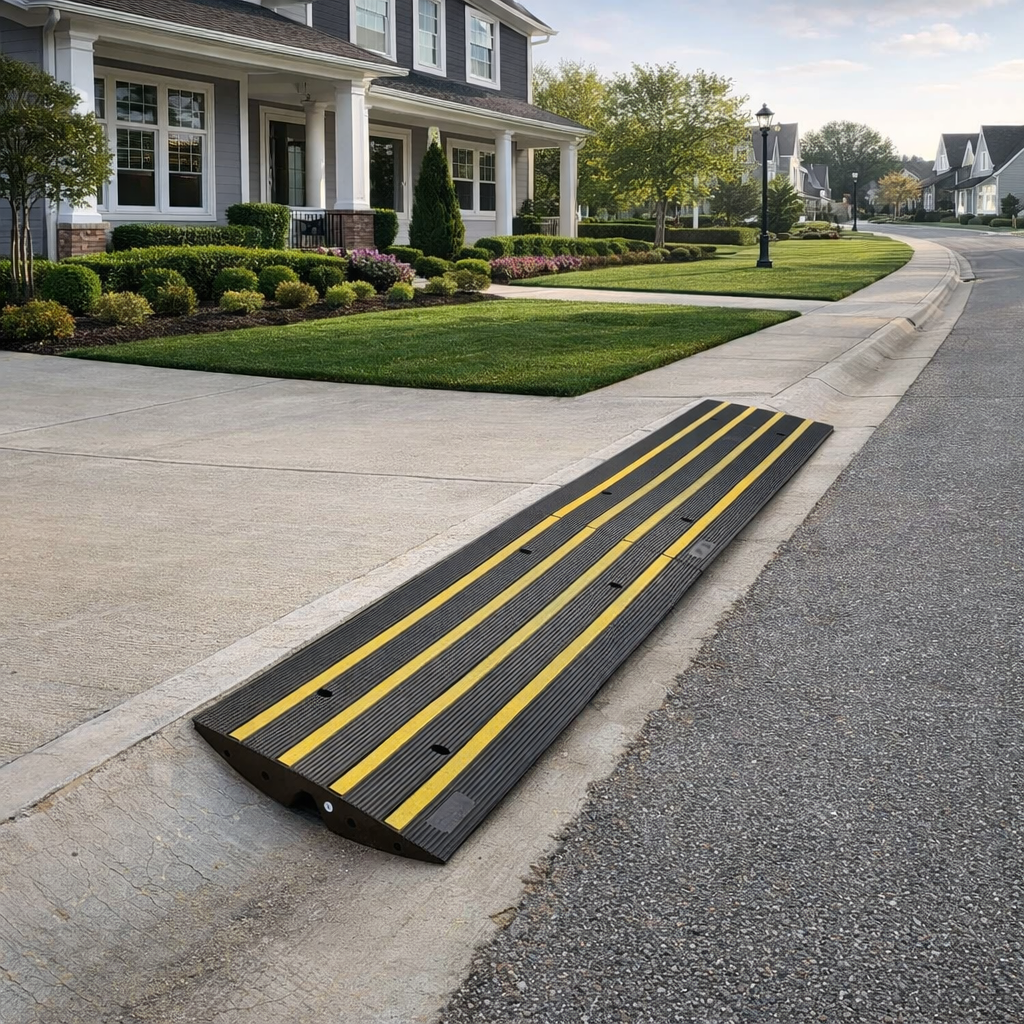
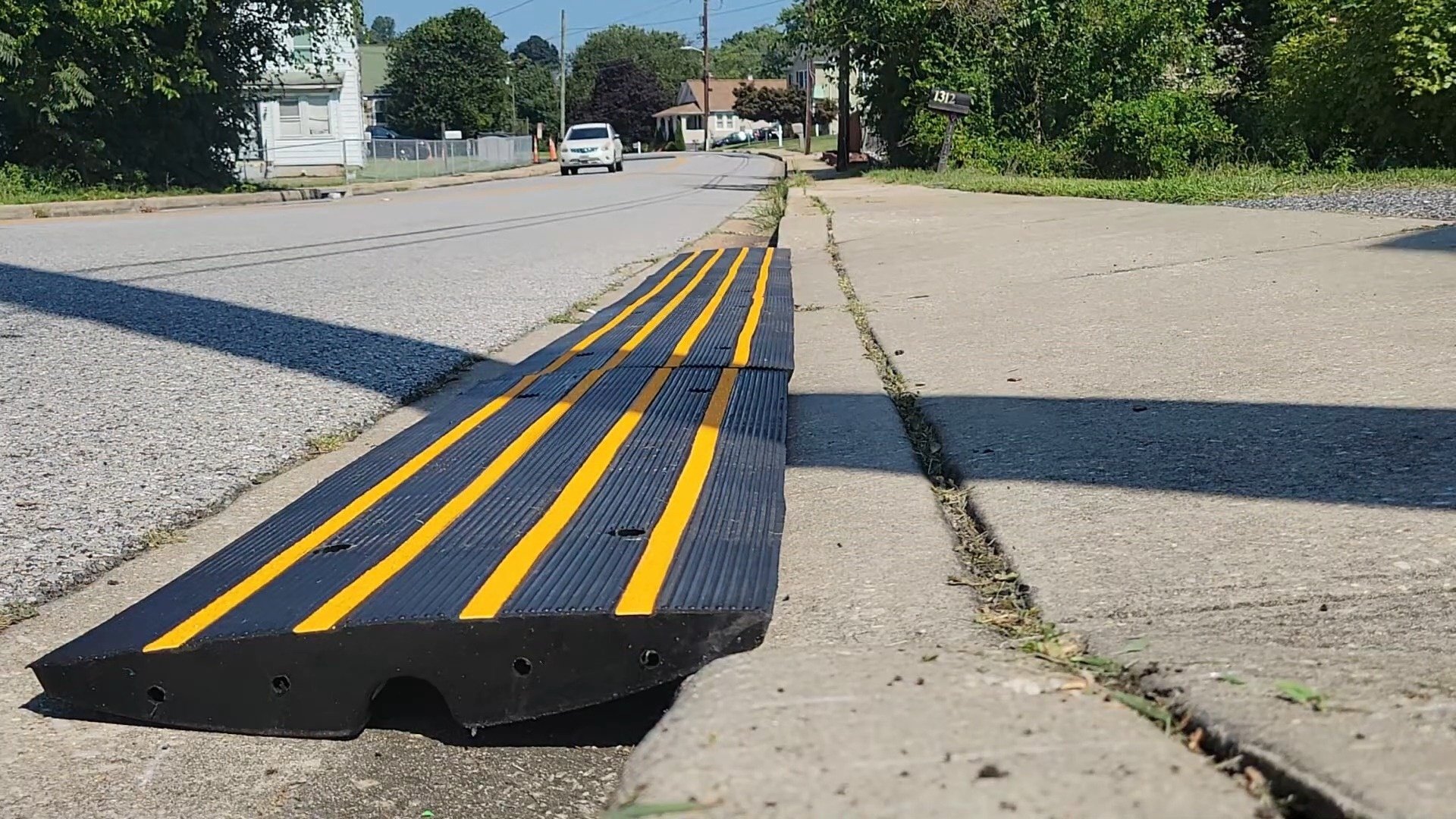
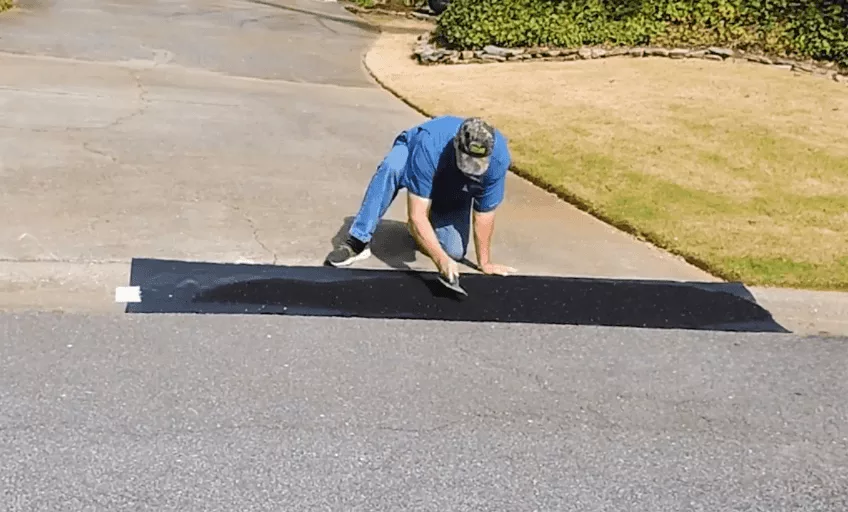
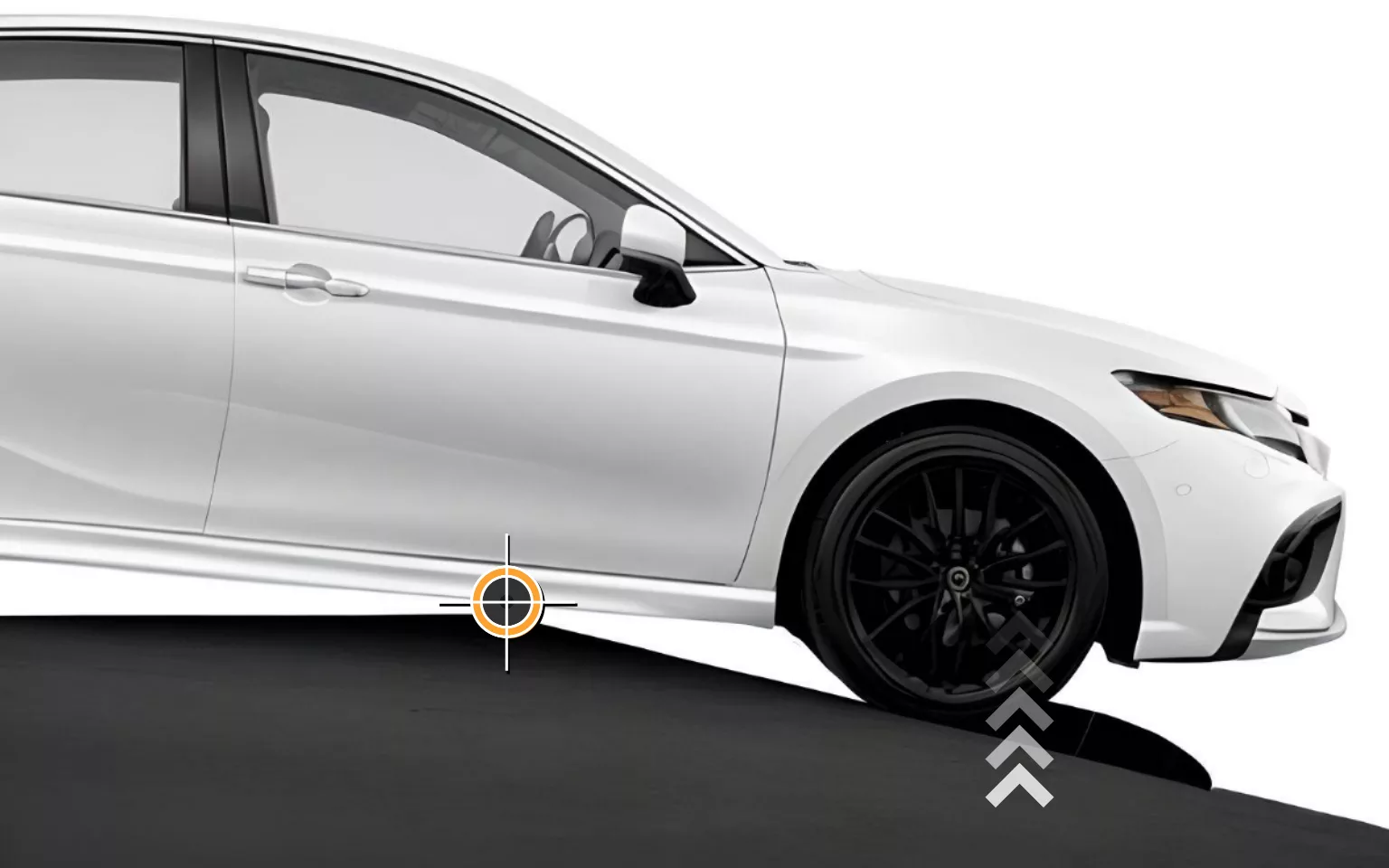
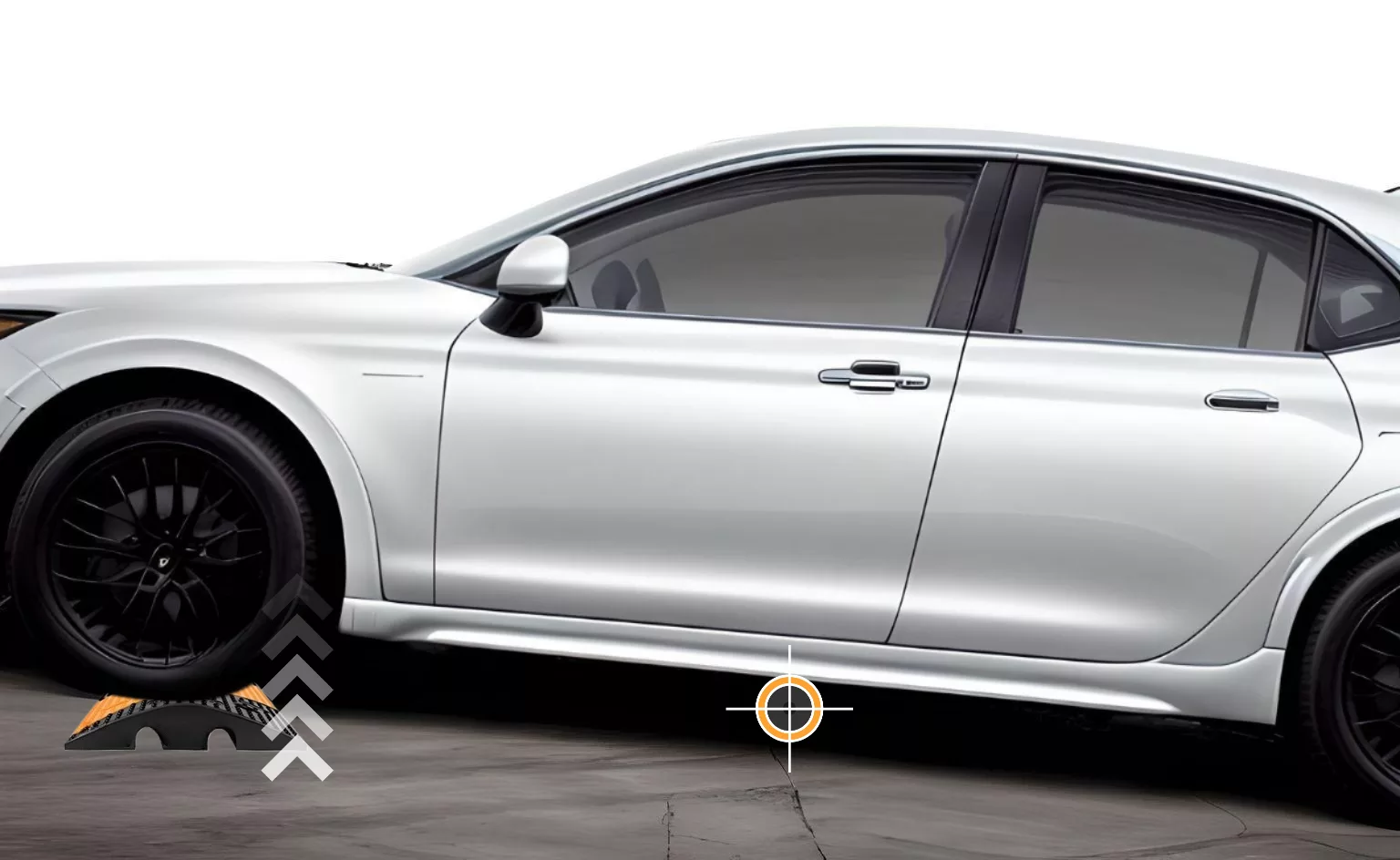
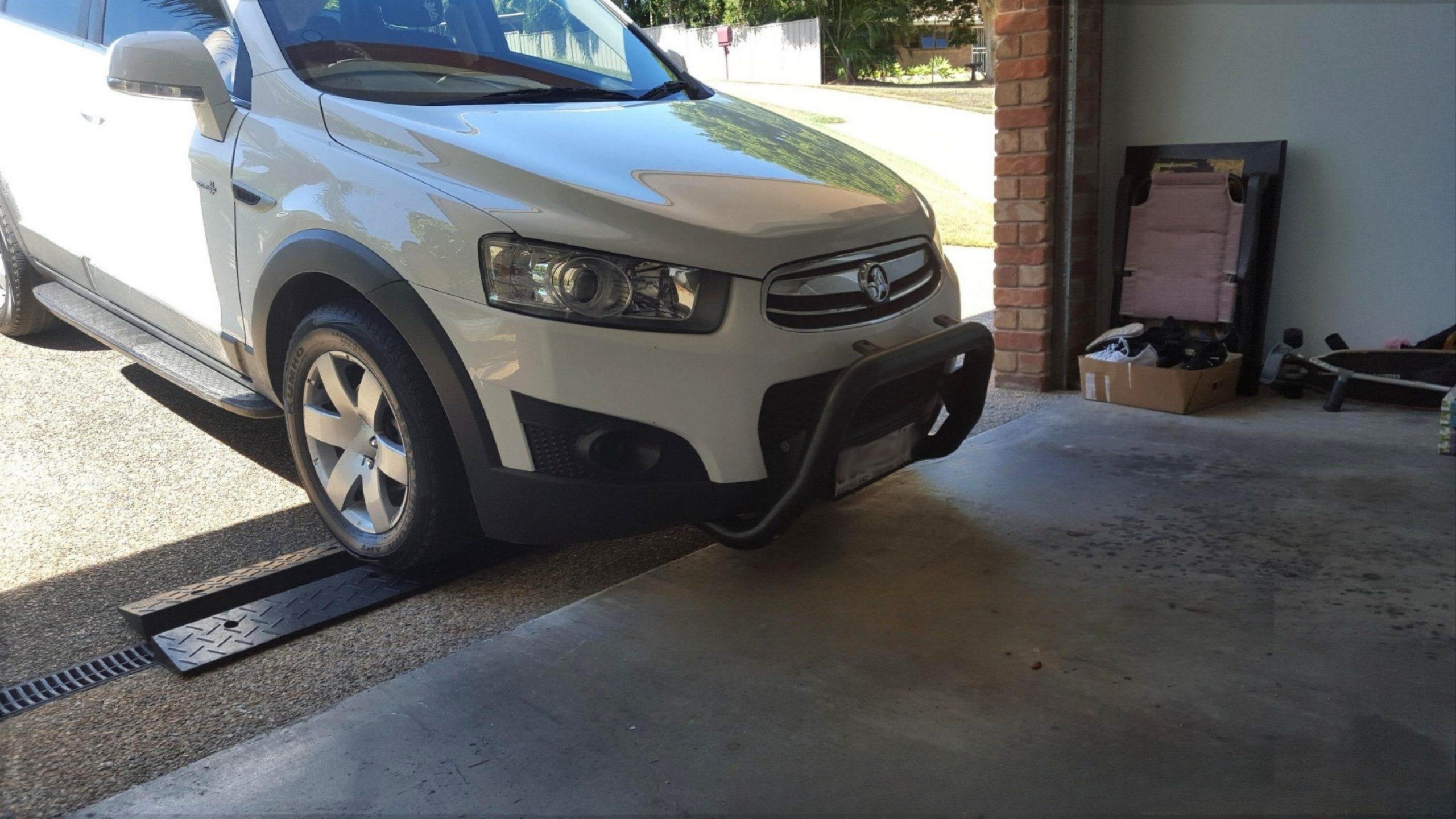
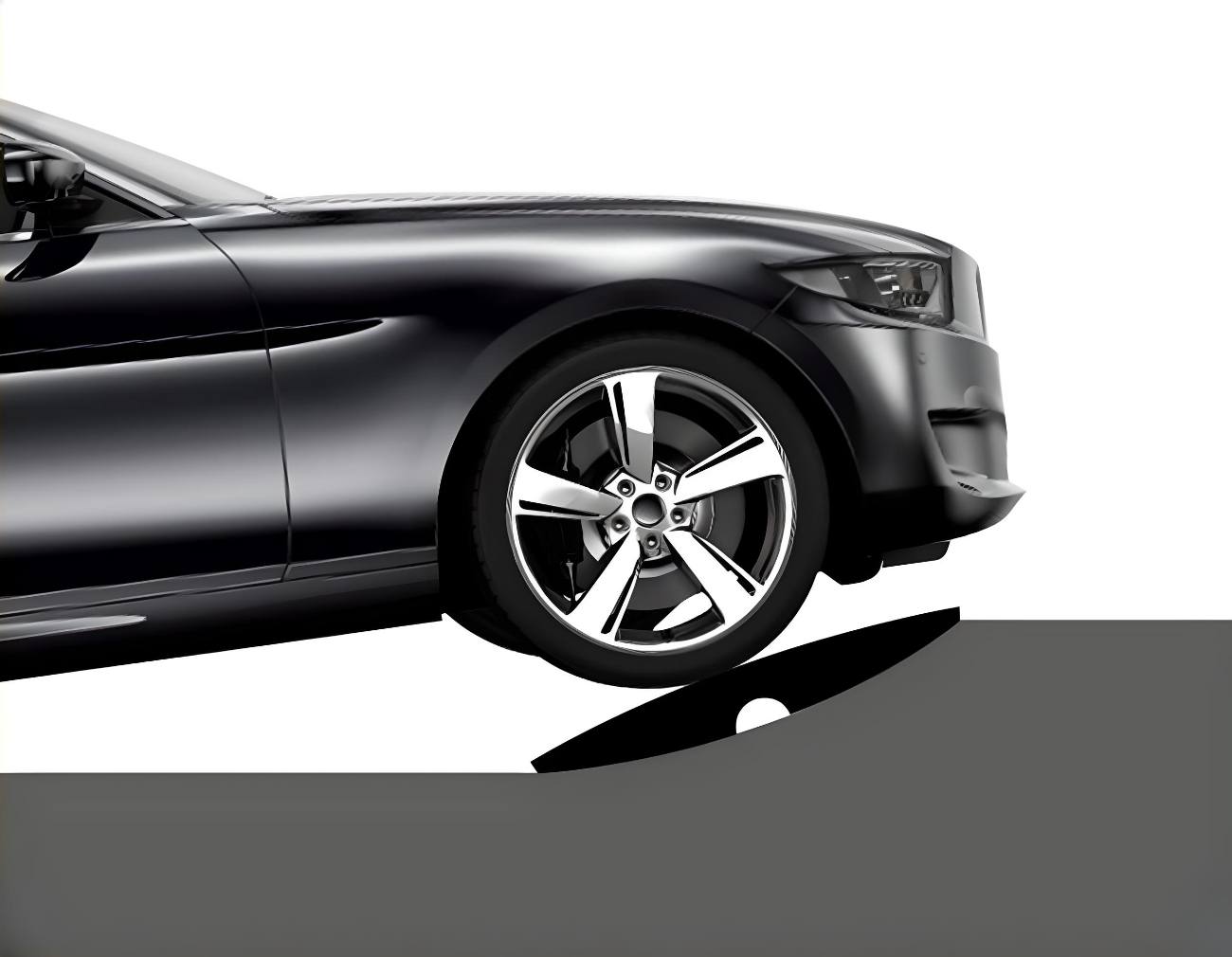
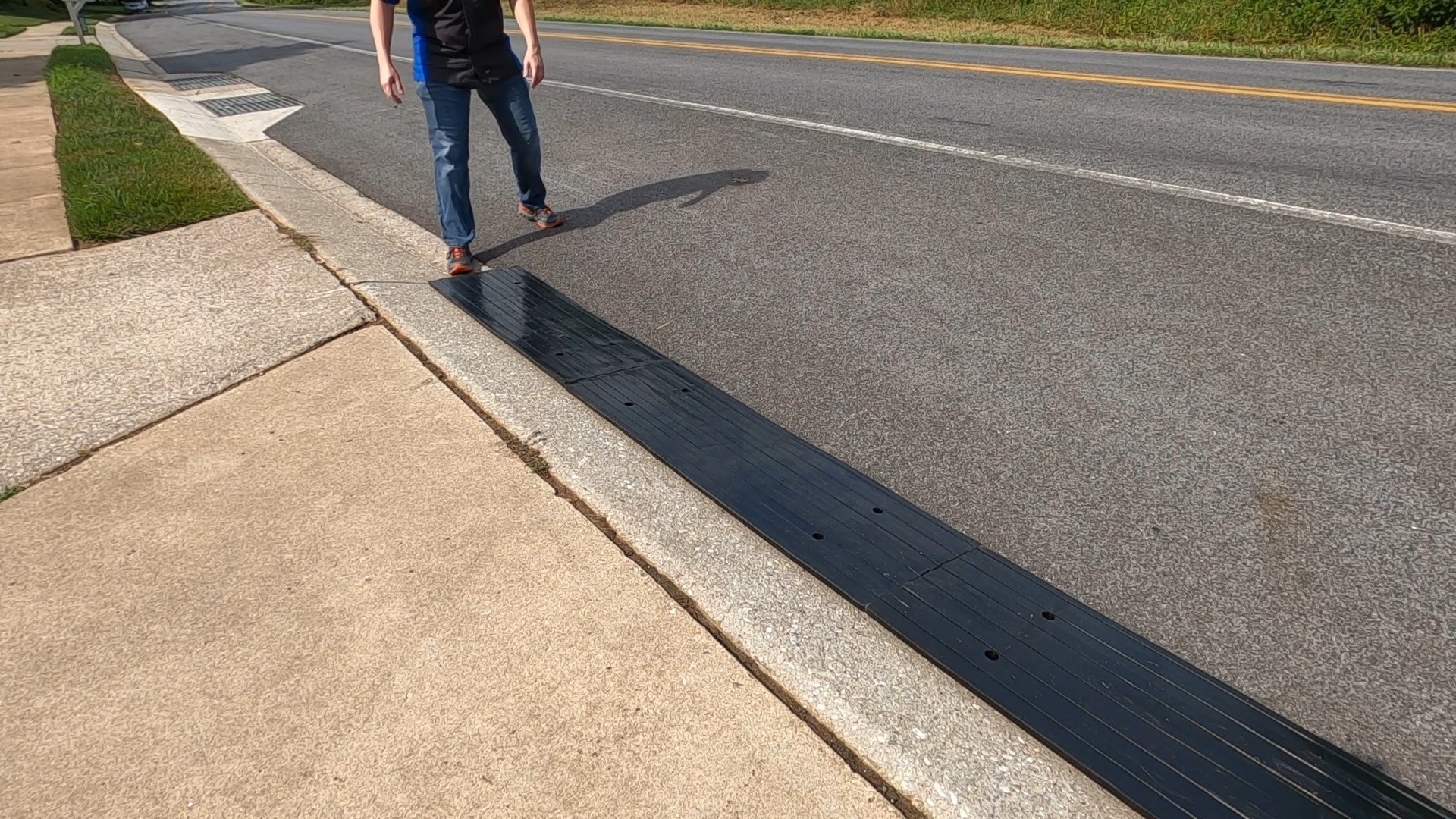
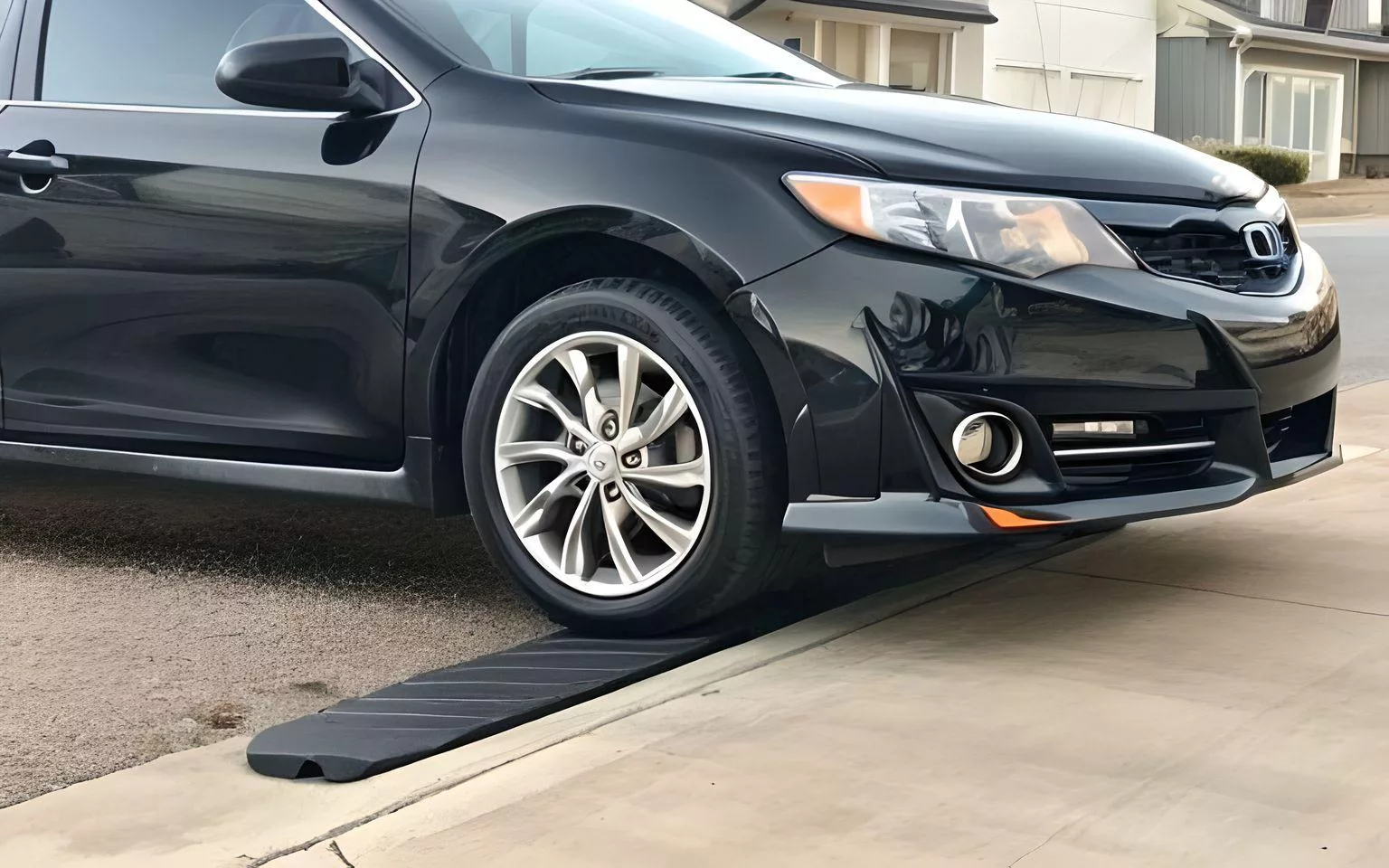
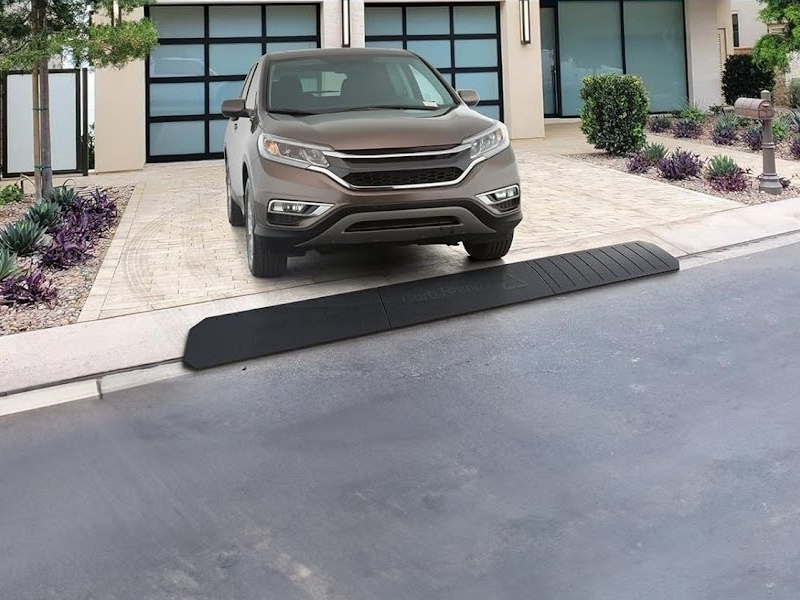
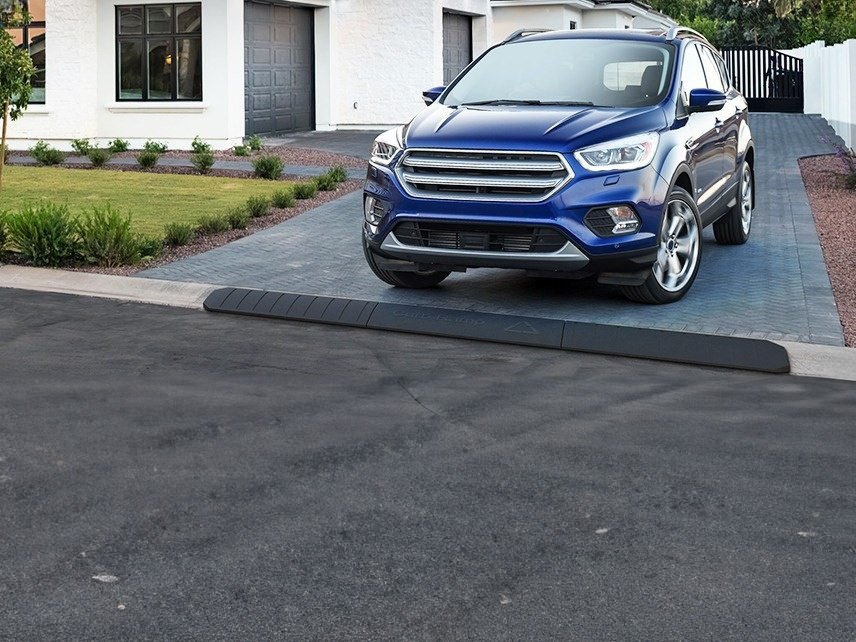
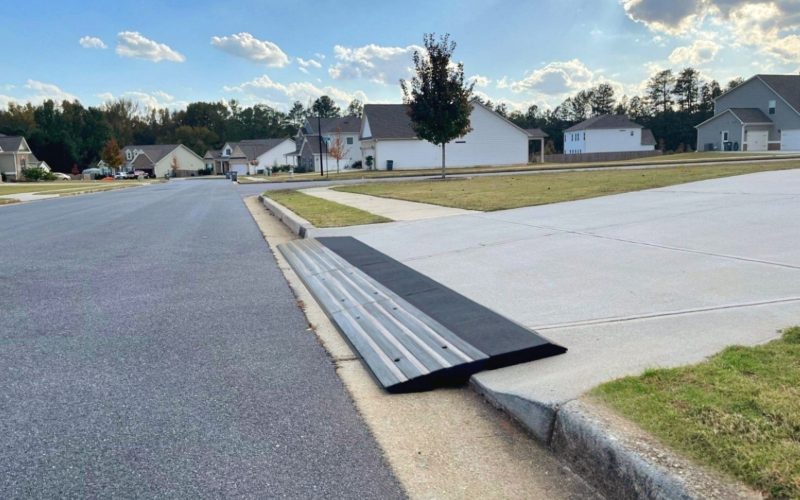
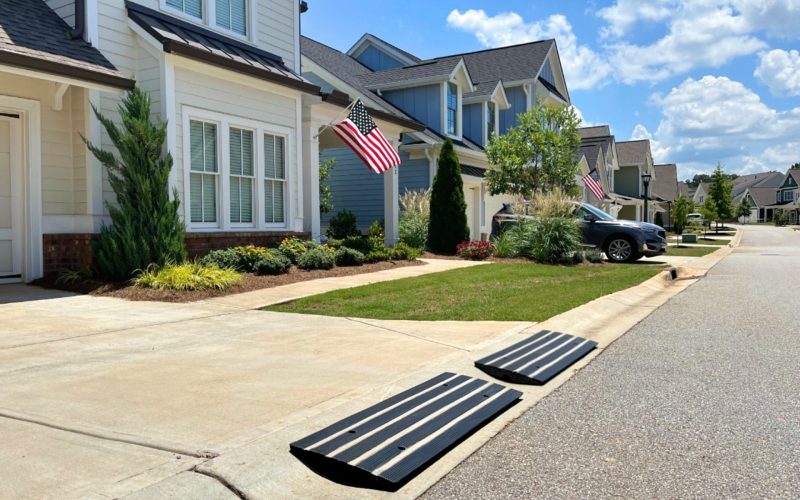
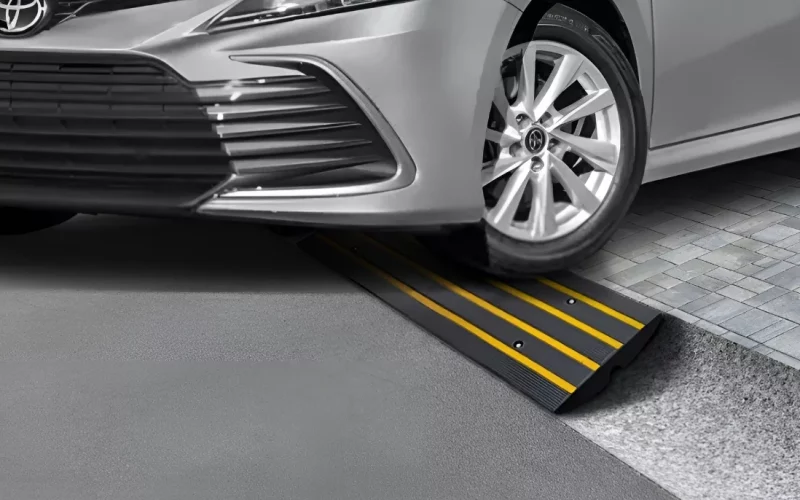
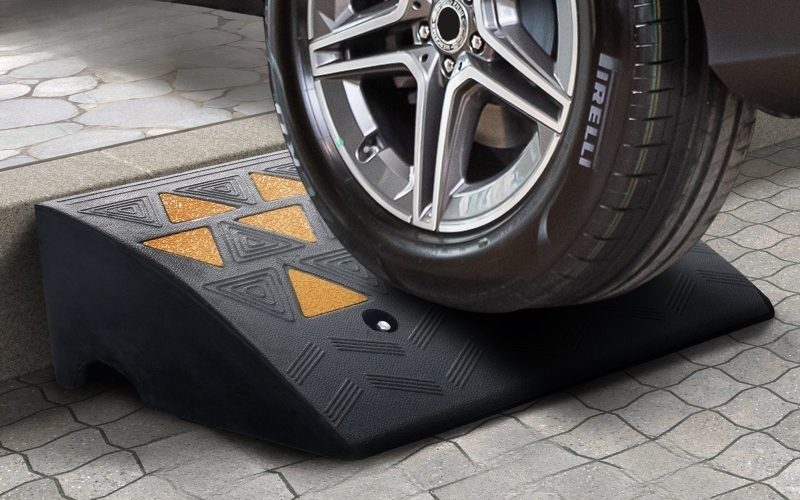
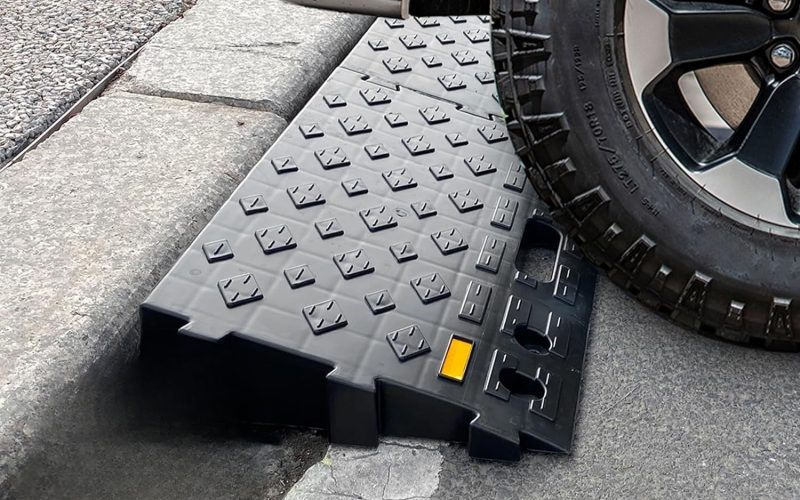
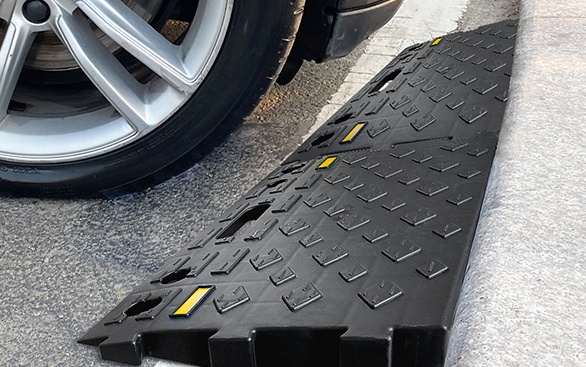
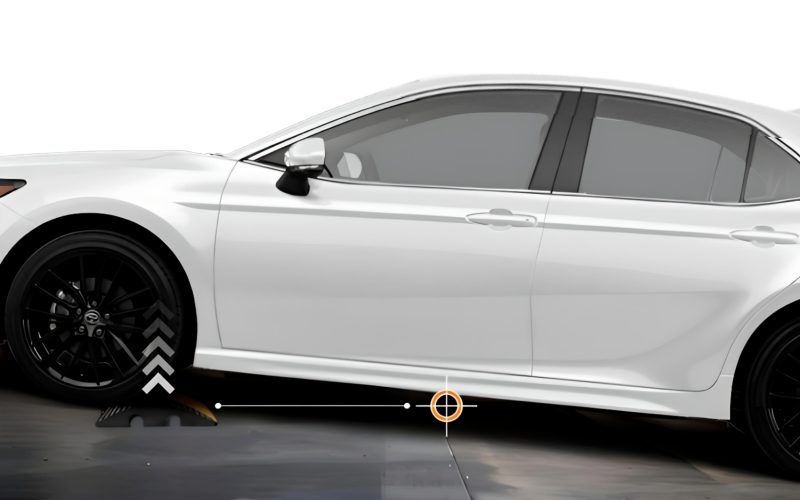
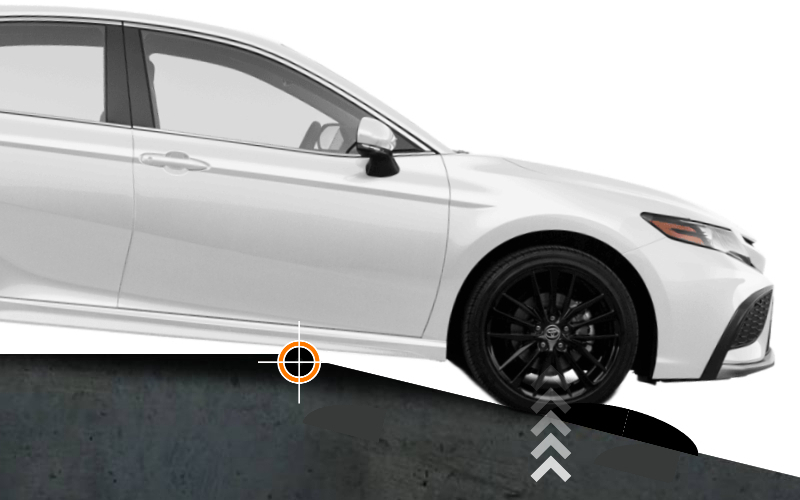
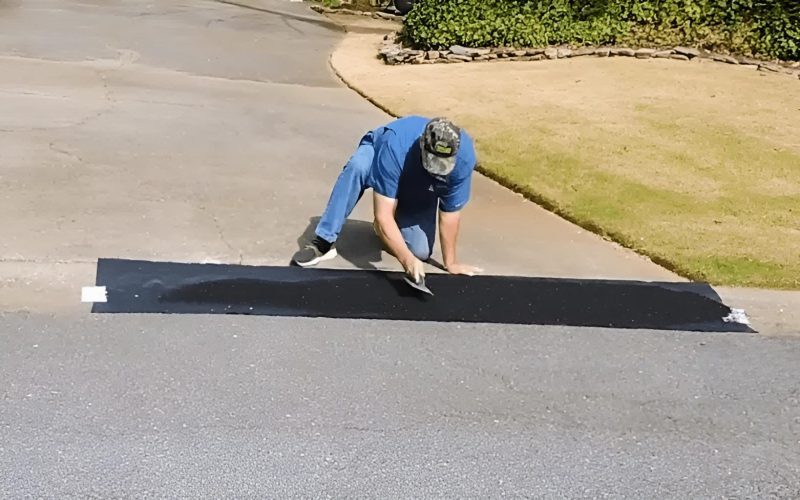
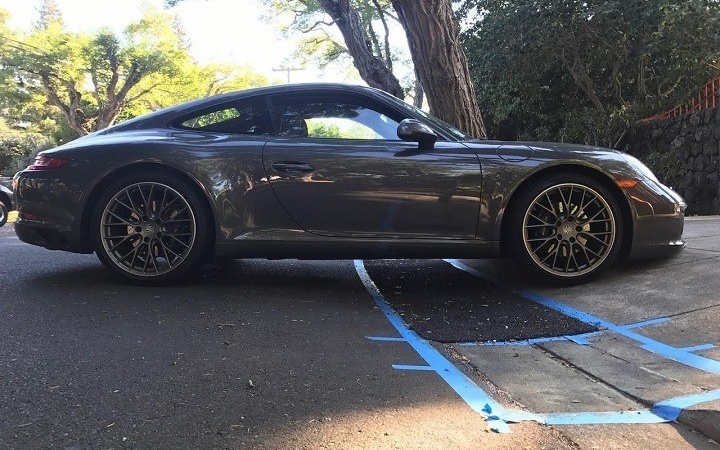
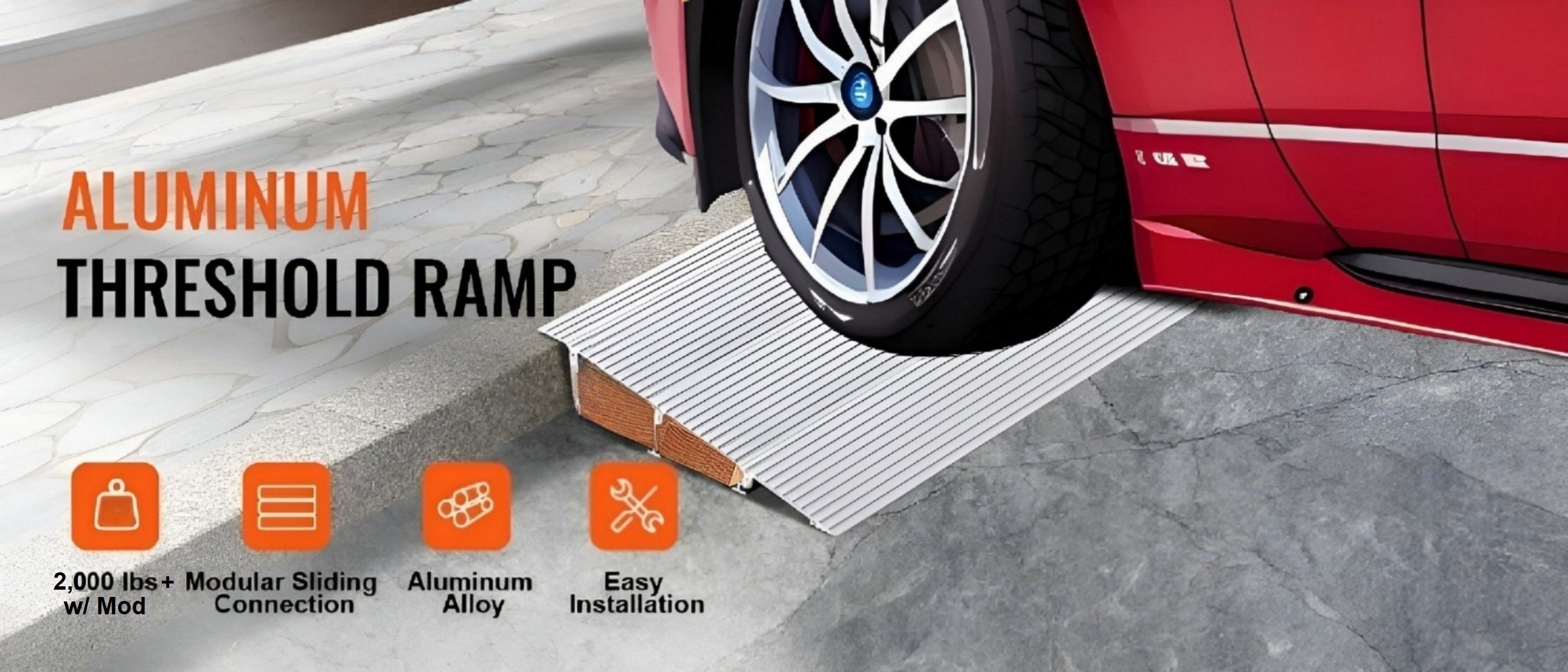
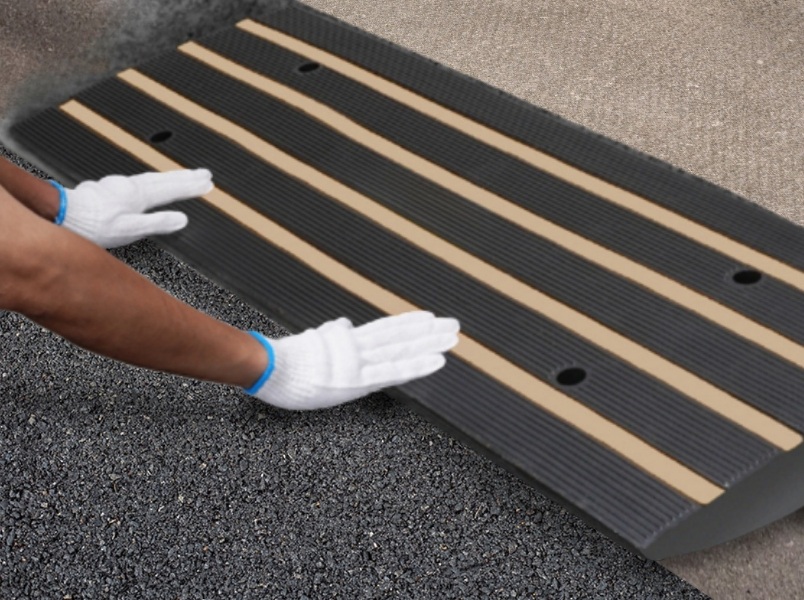
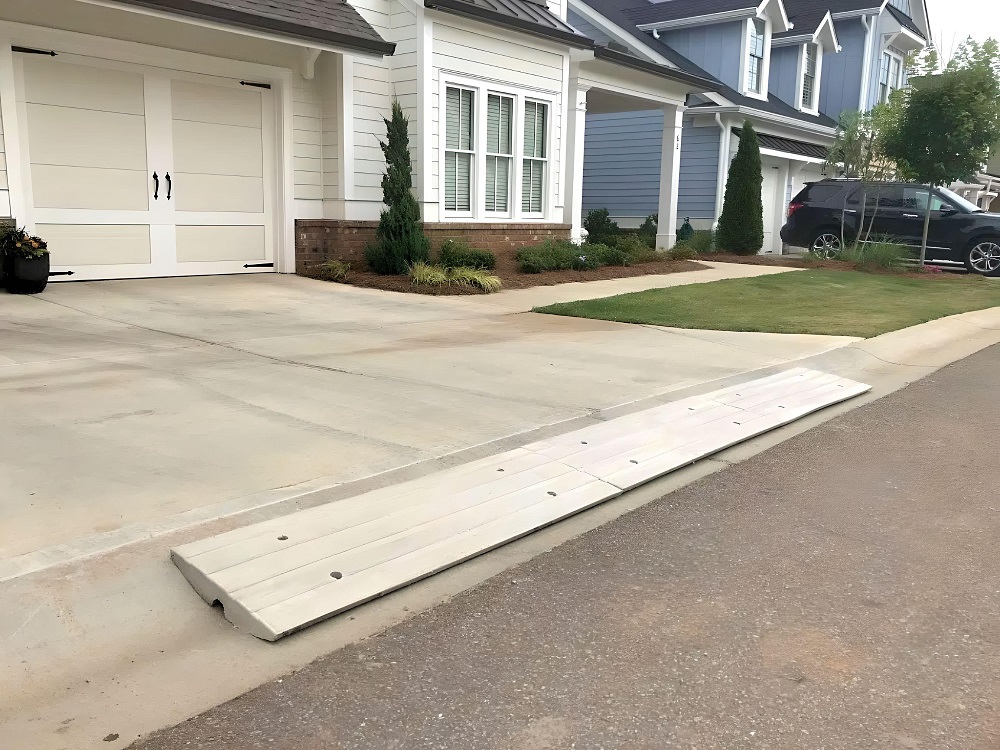
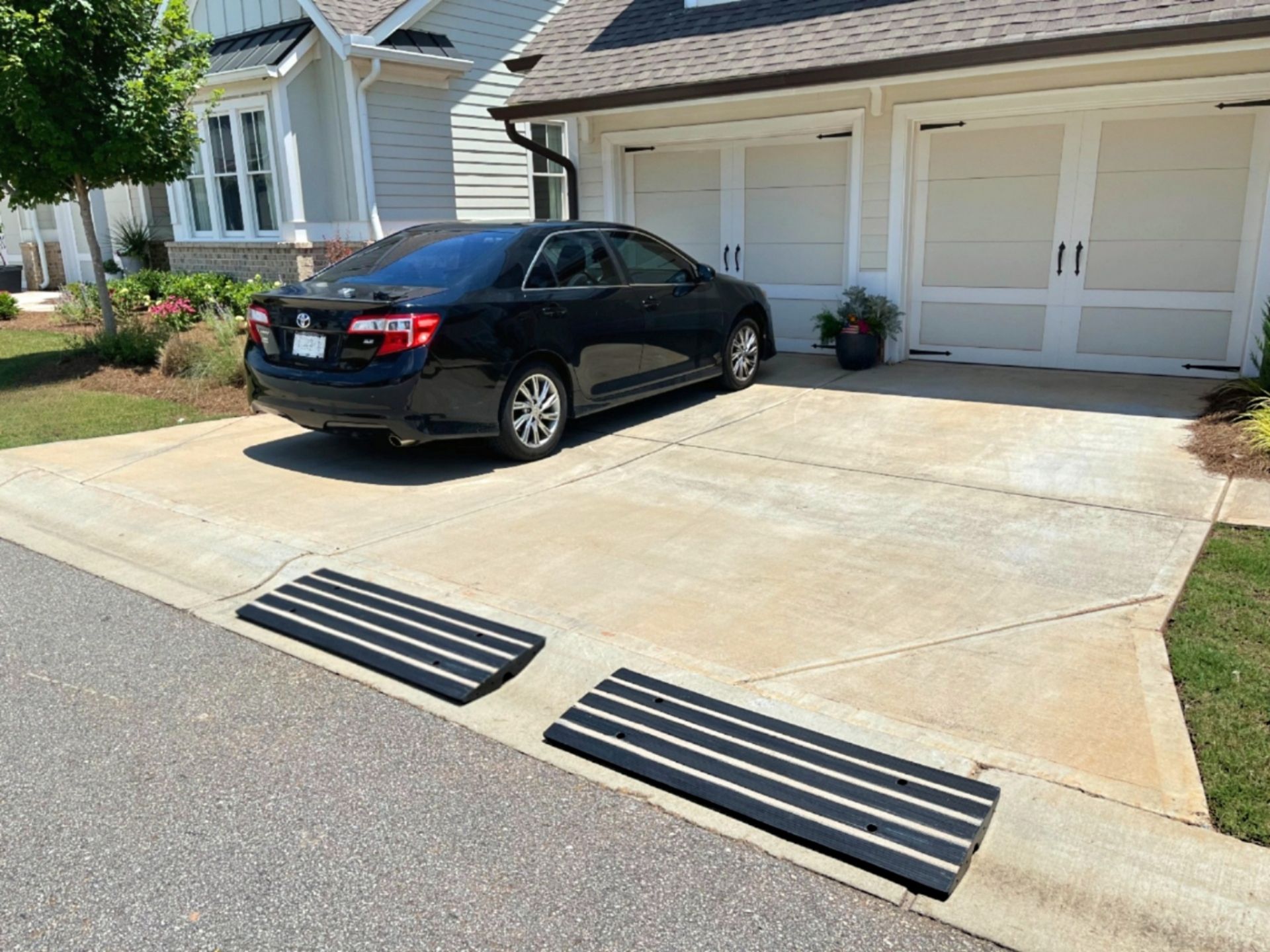
A properly sized driveway ramp works by changing the approach angle between the street and the driveway. Instead of the front bumper hitting a sharp edge or dip, the tires climb a gradual slope first. That lift under the tires raises the chassis just enough to clear the lip, curb, or steep apron.

In simple terms:
The ramp lets the tires do the lifting before the lowest point of the car reaches the breakover point.

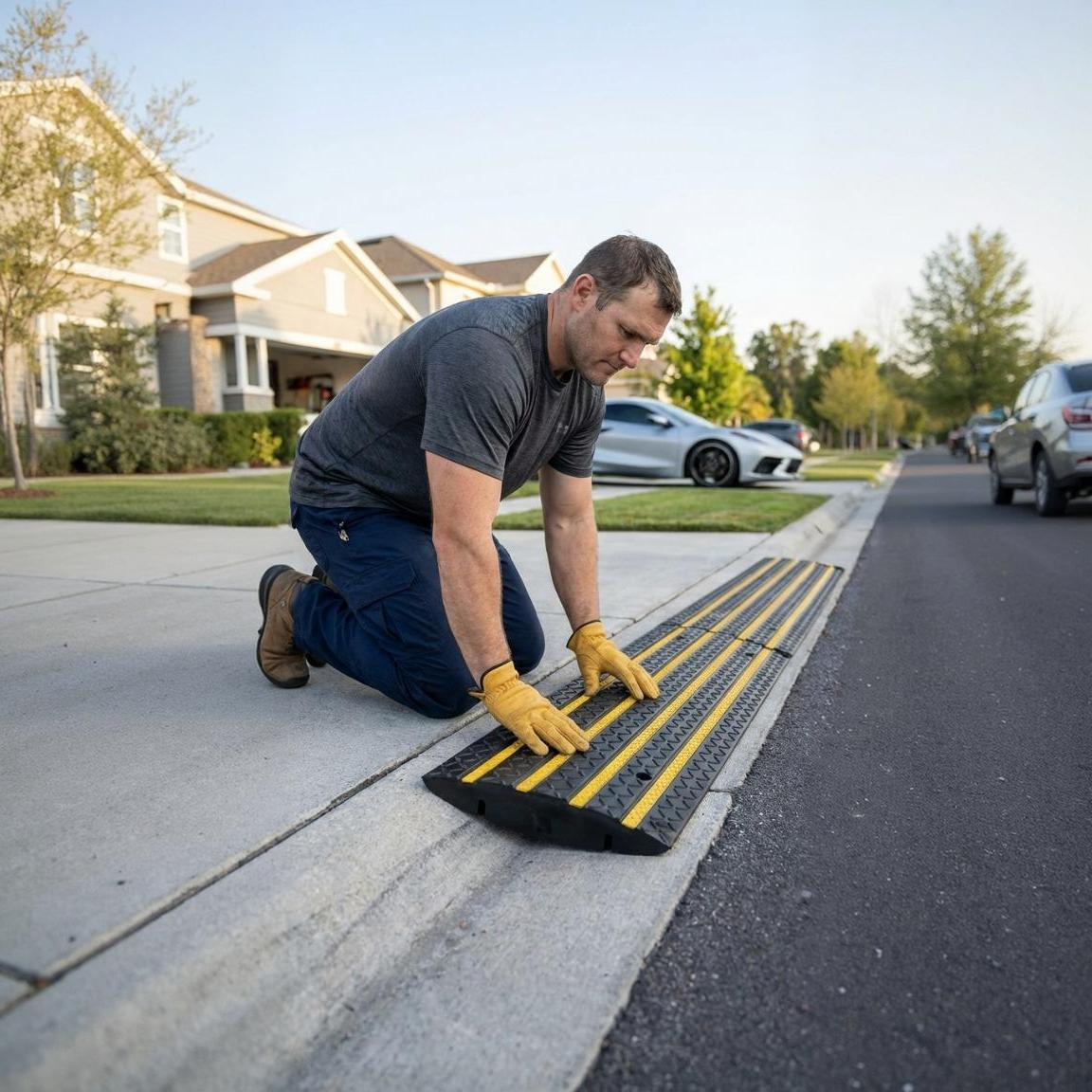
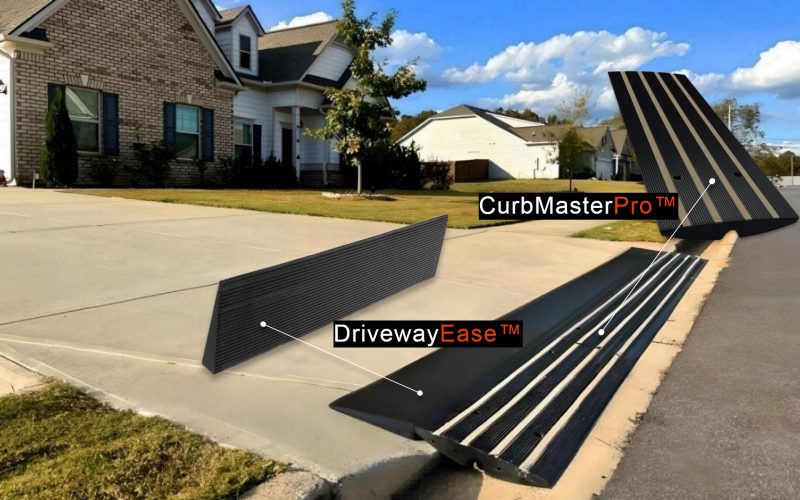
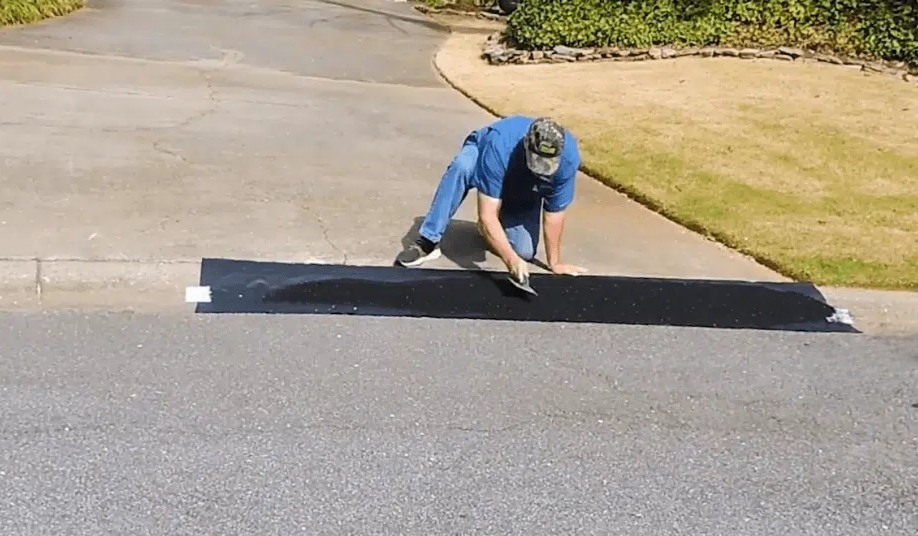
driveway-curb-ramp-installation-steep-driveway-entry-low-car-clearance

Where the Ramp Is Placed

Depending on your setup, a driveway ramp is typically positioned:

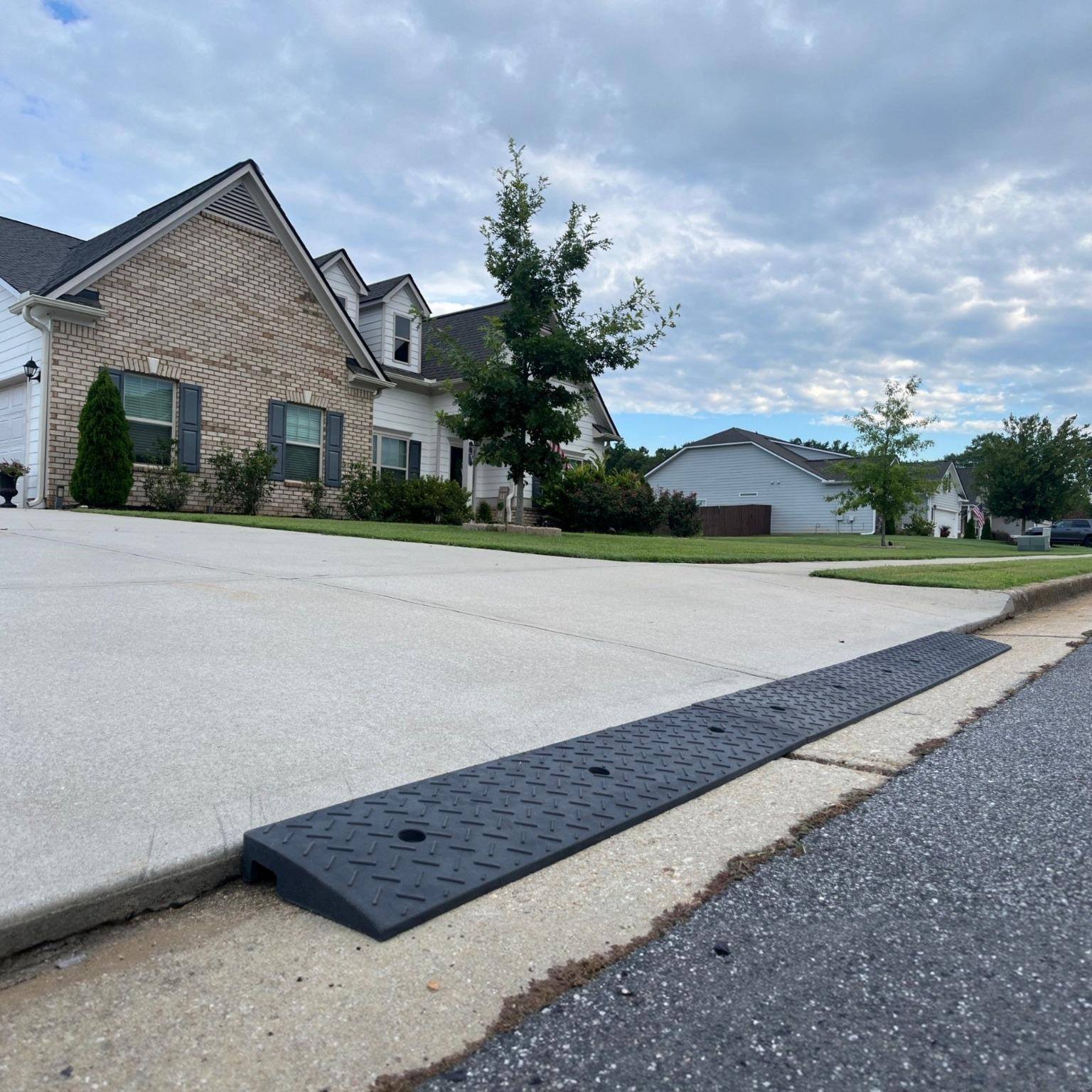
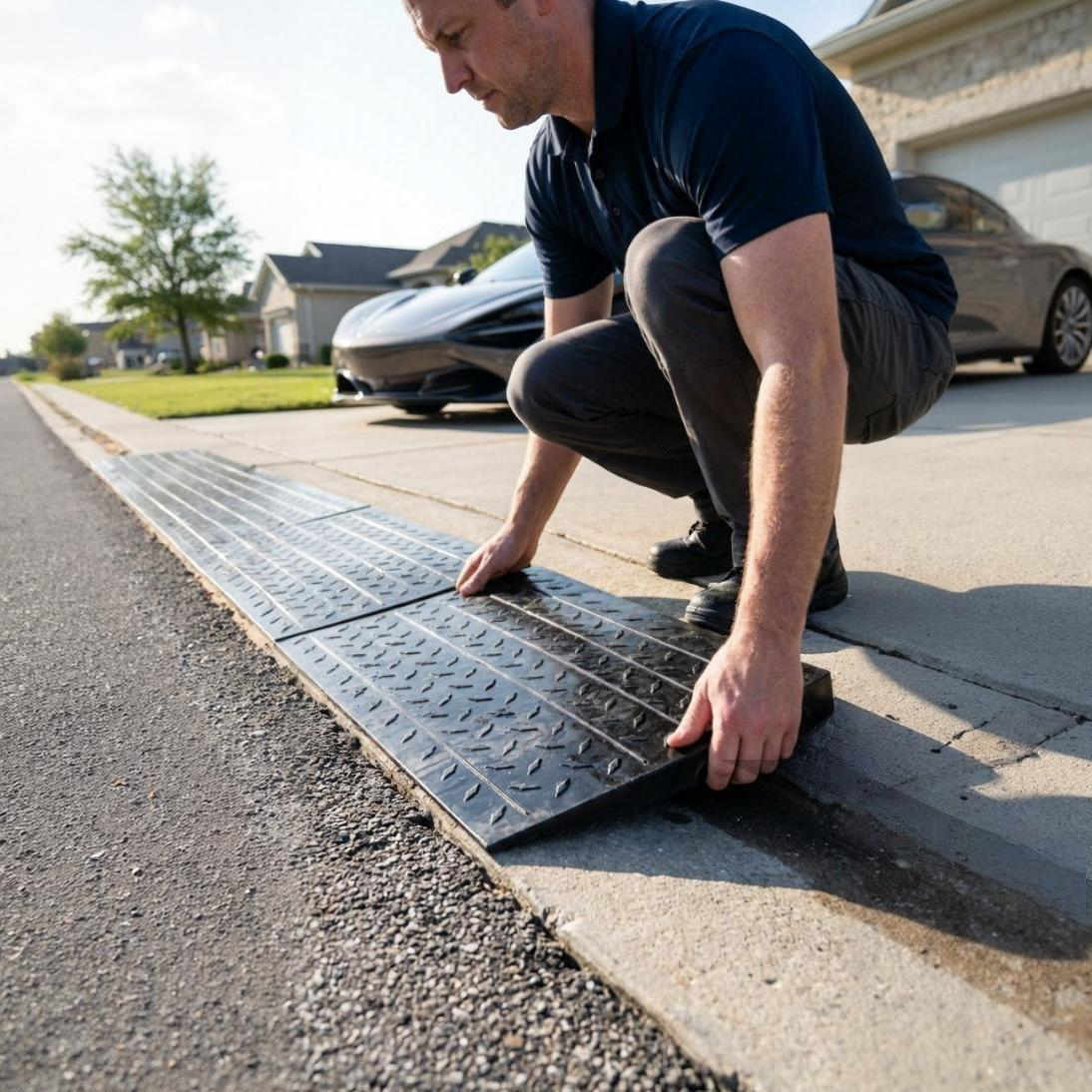
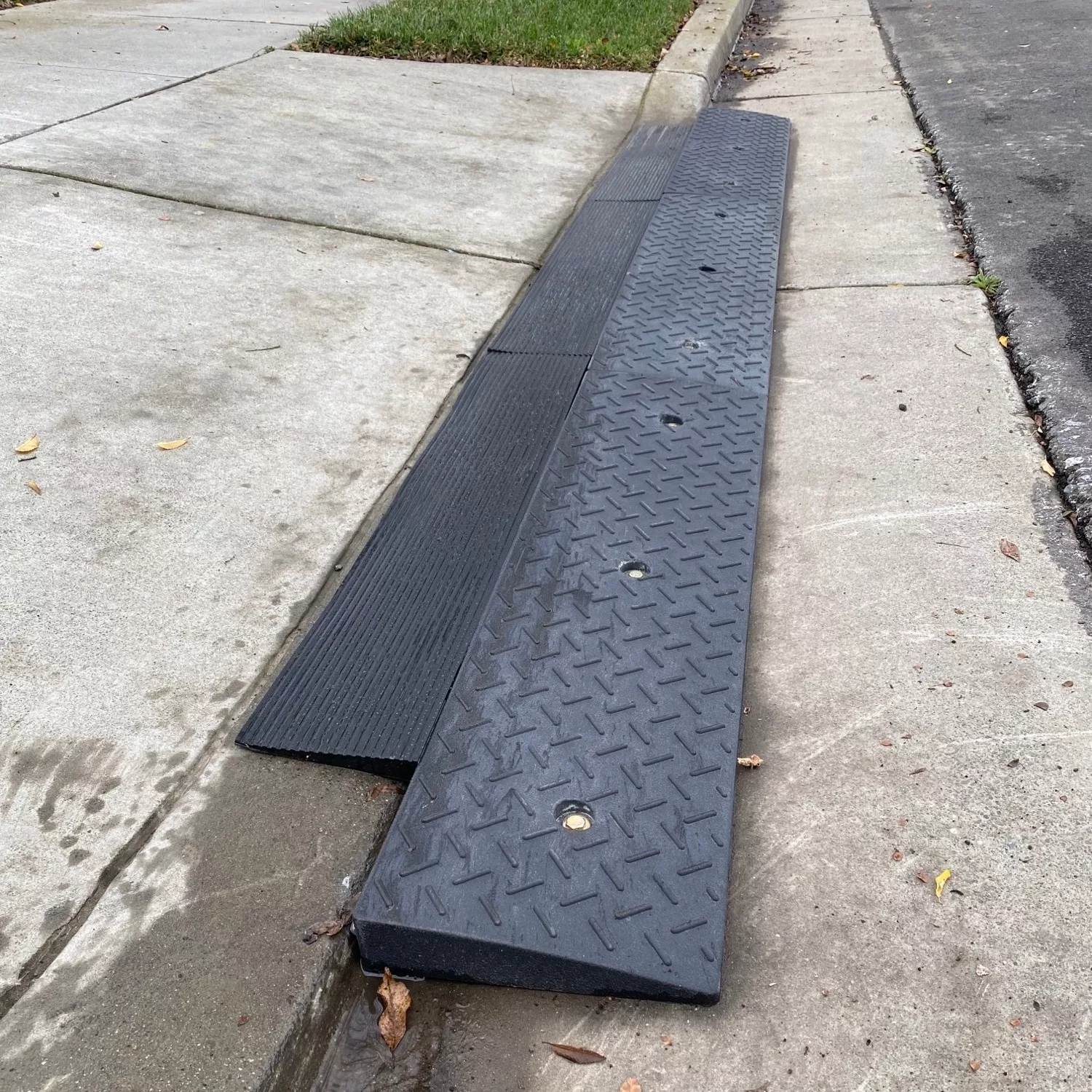
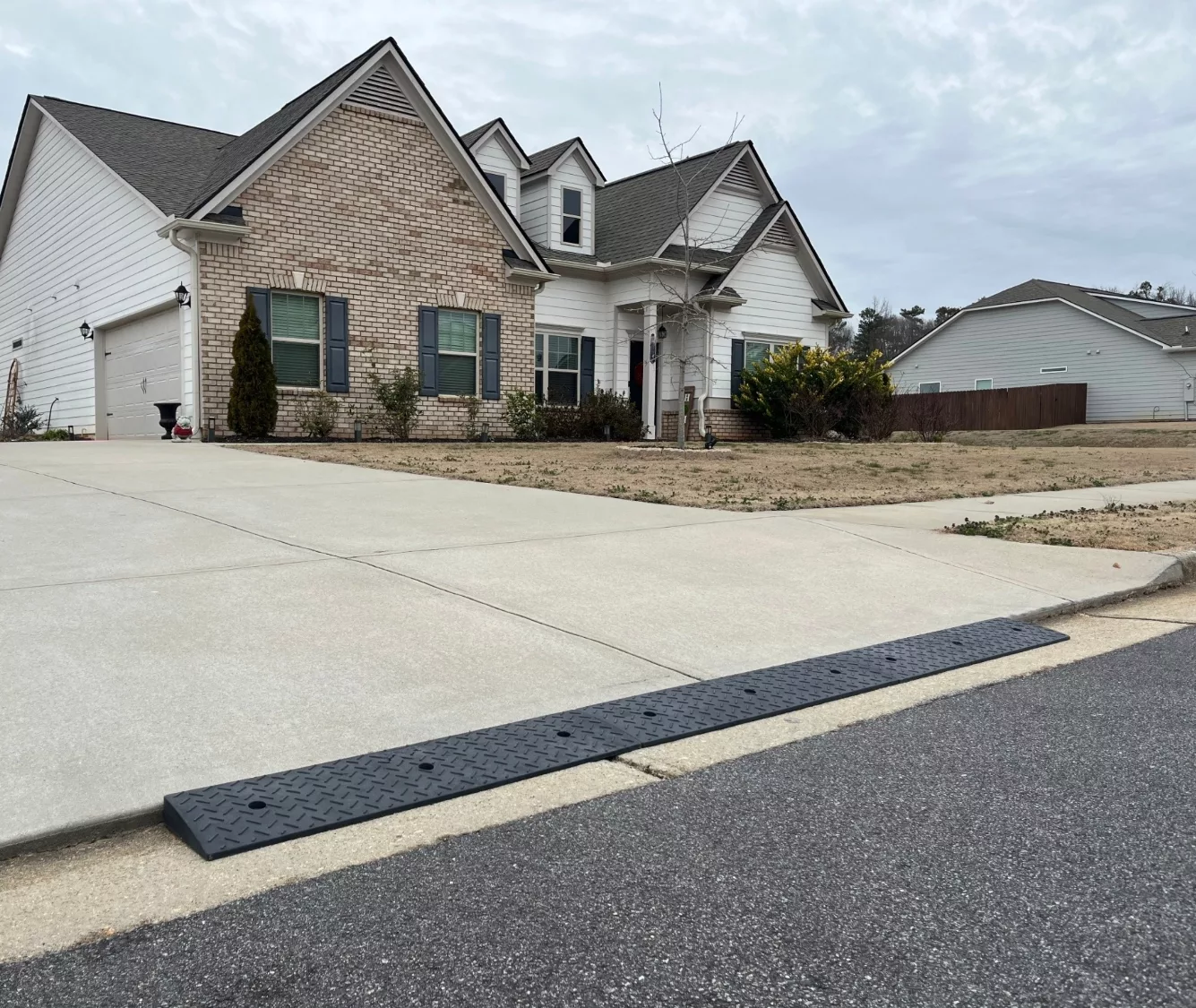
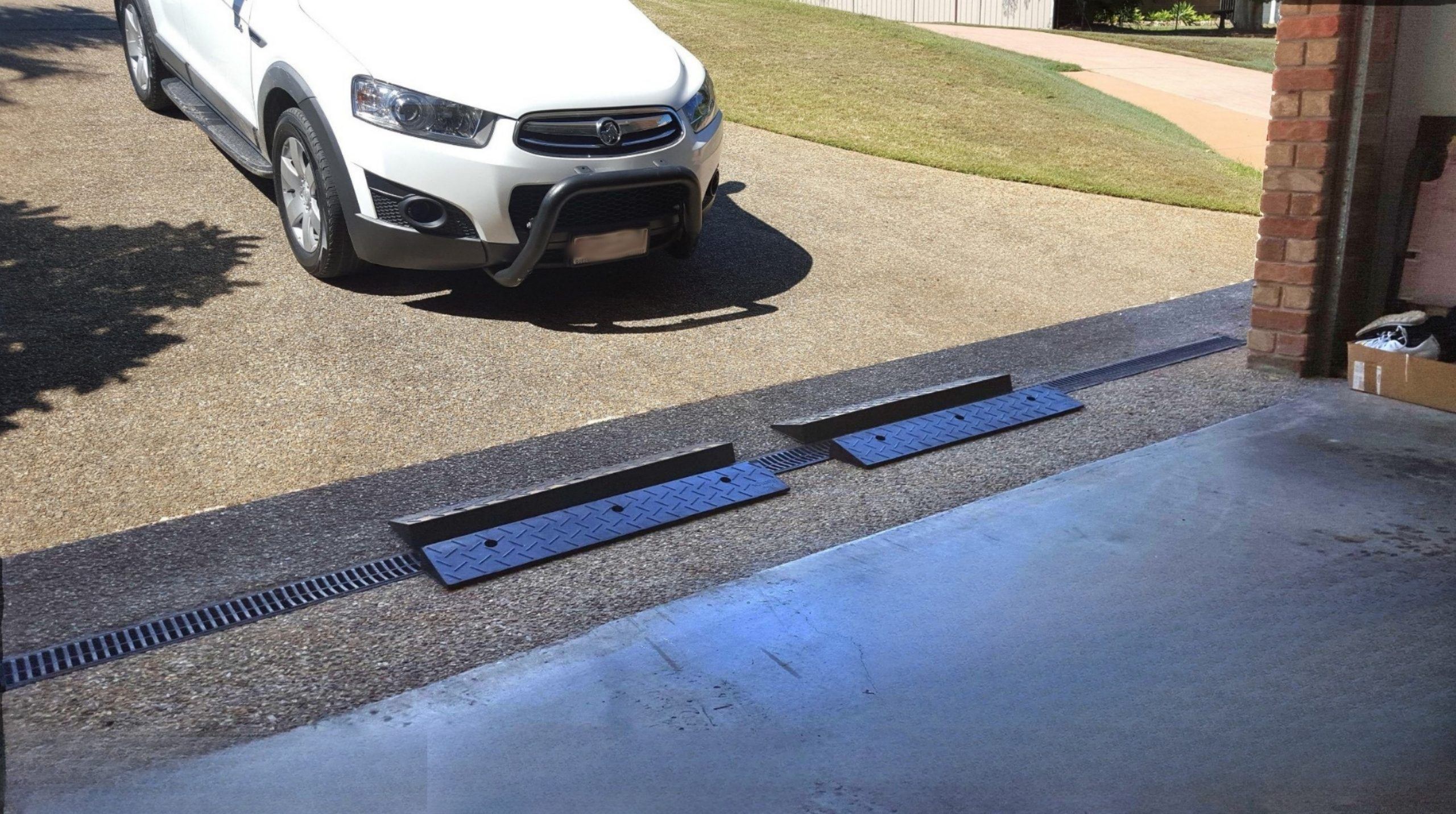
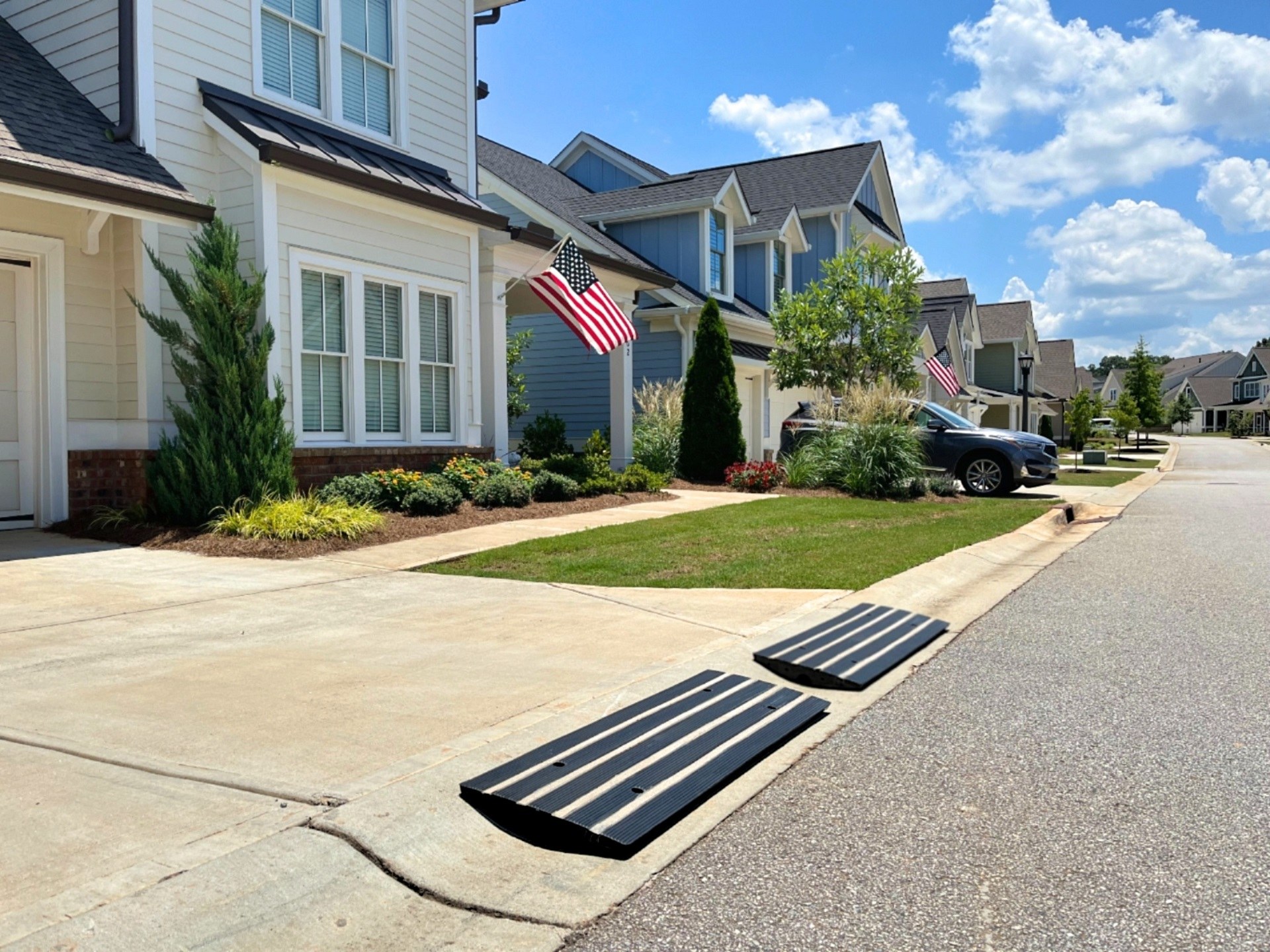
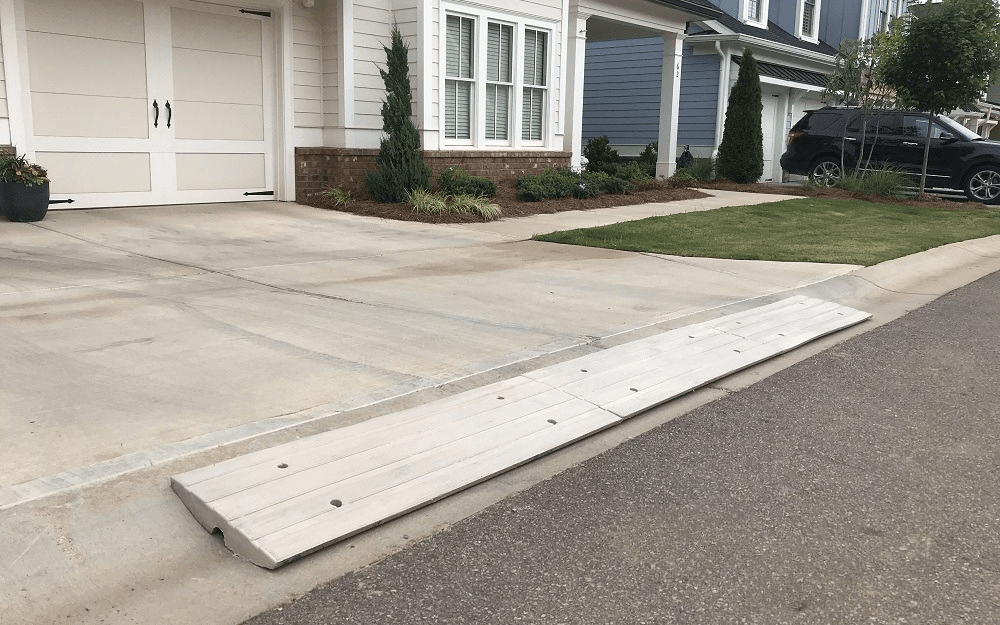
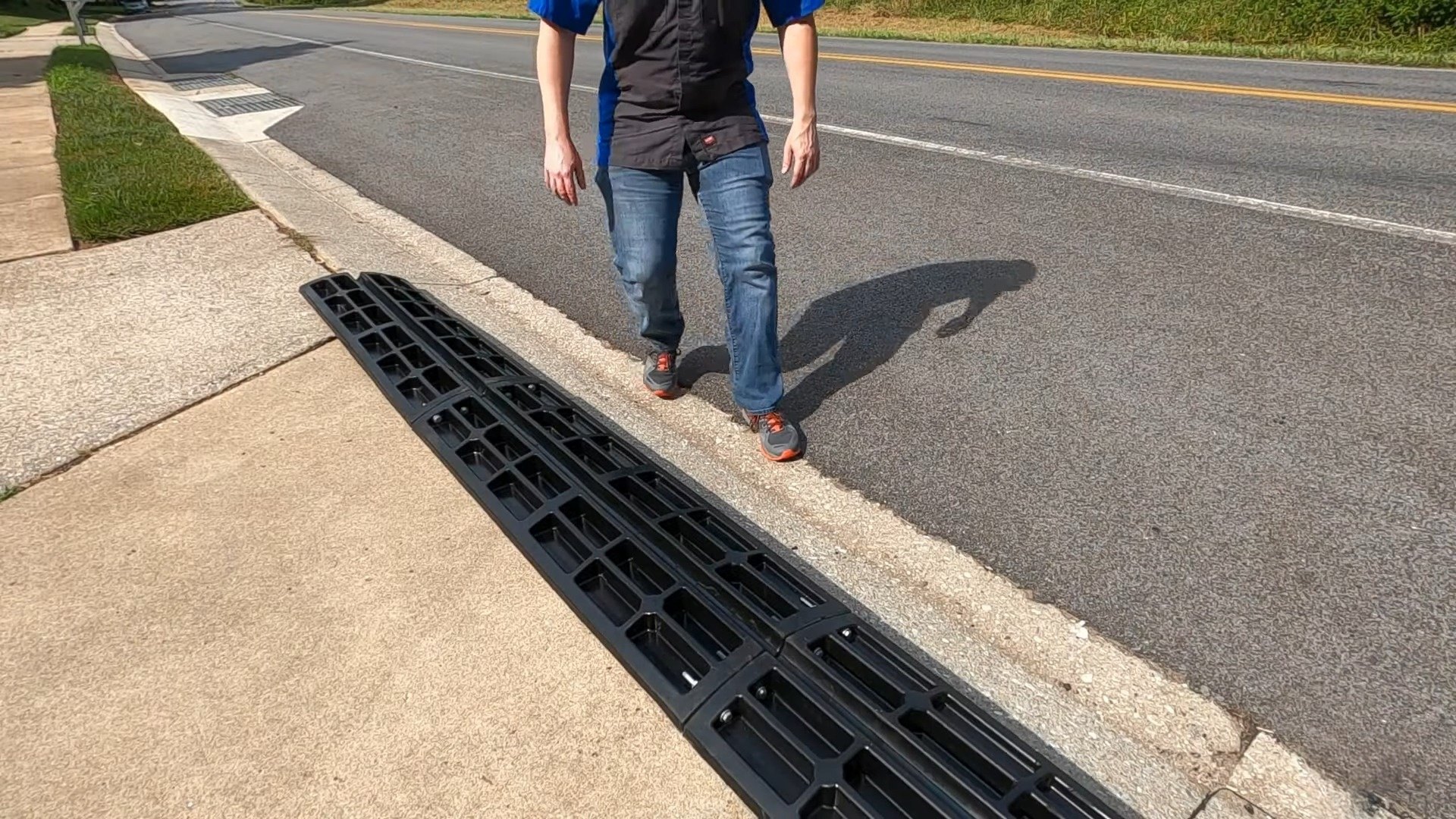
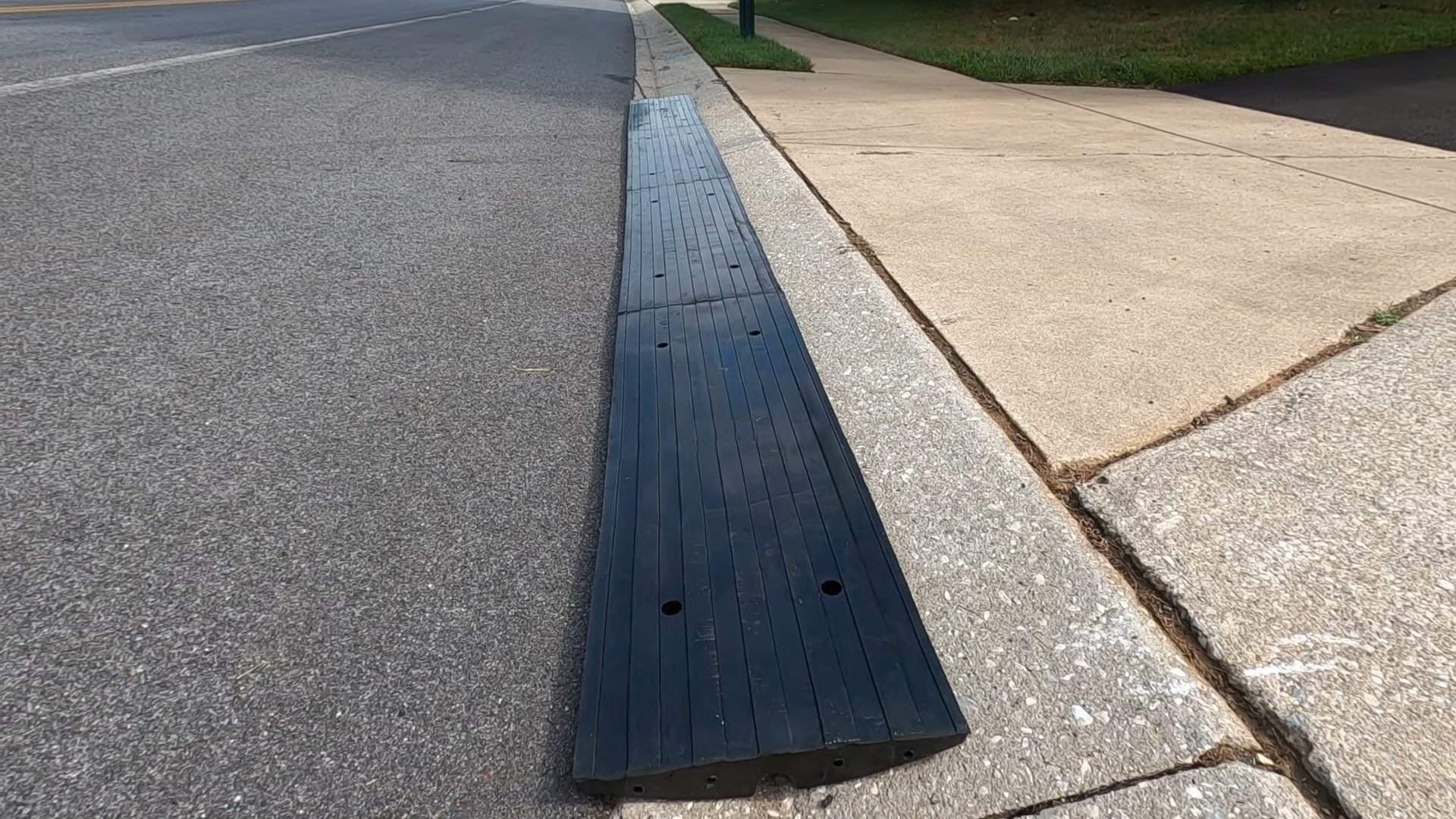
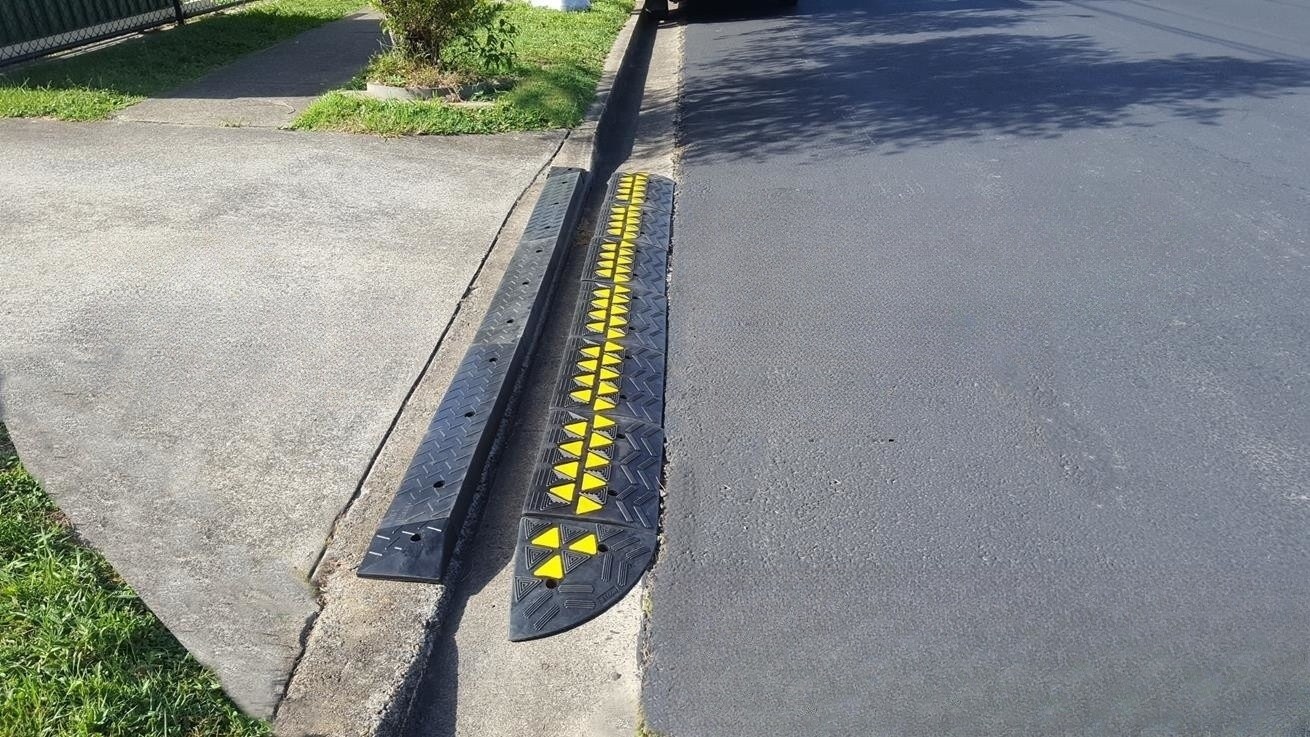
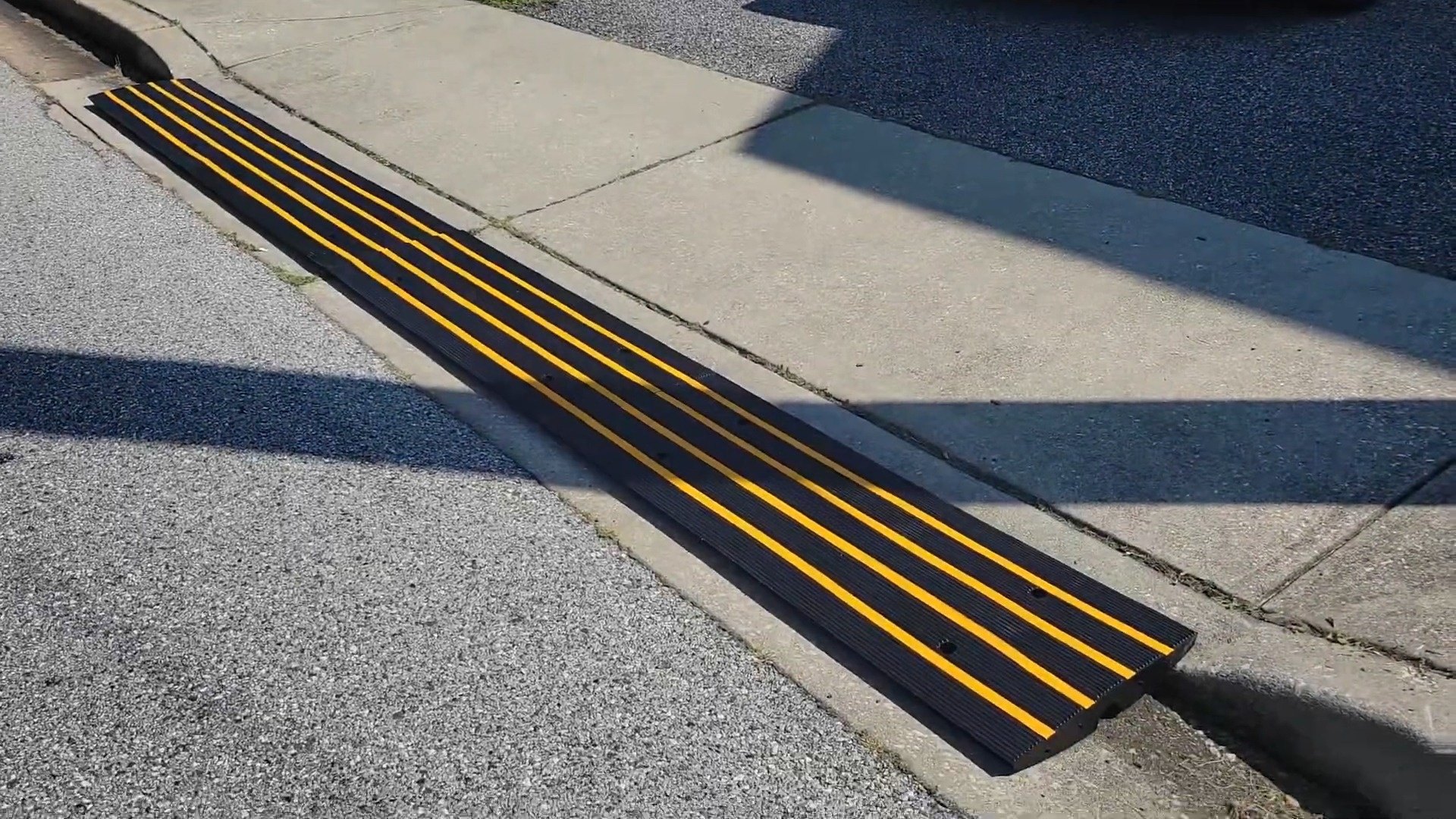
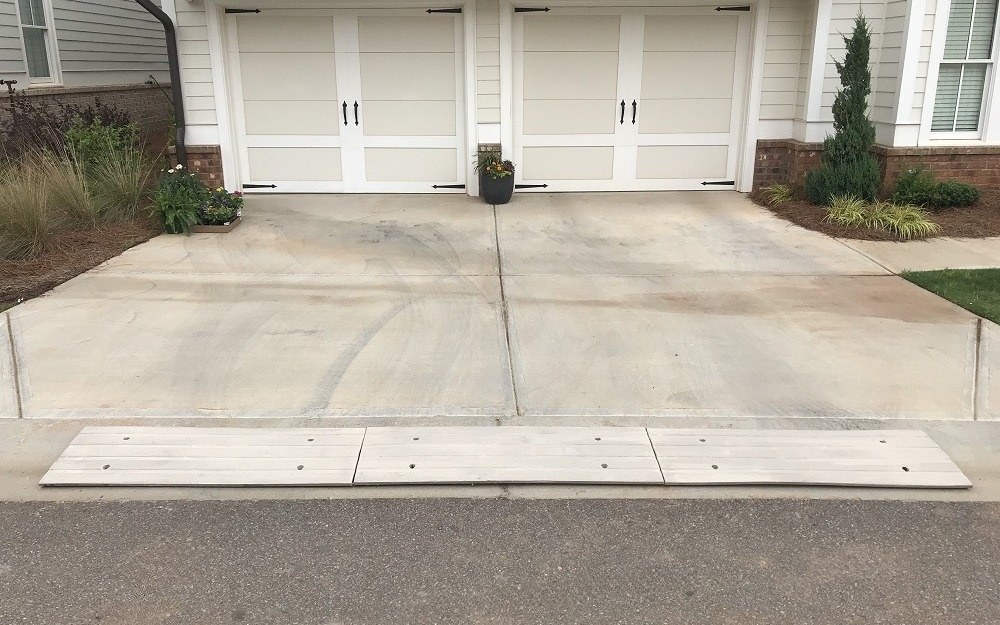
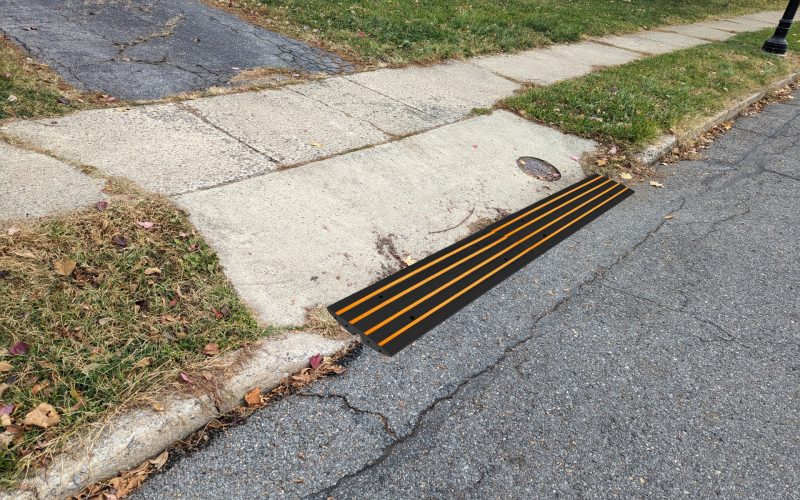
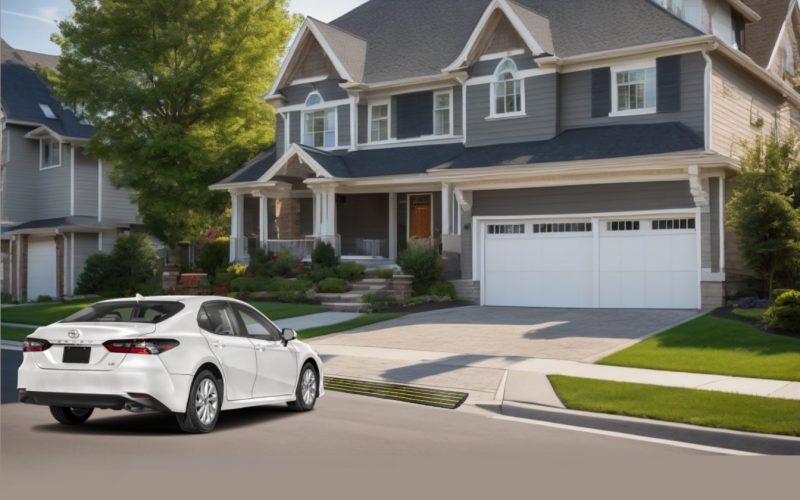
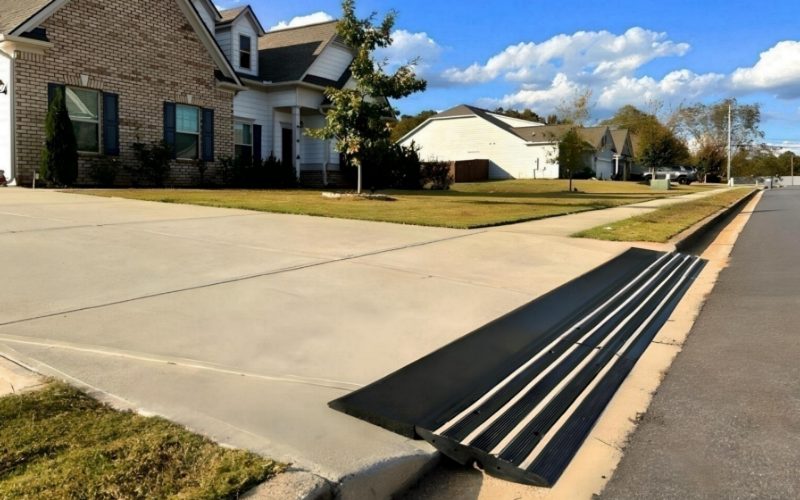
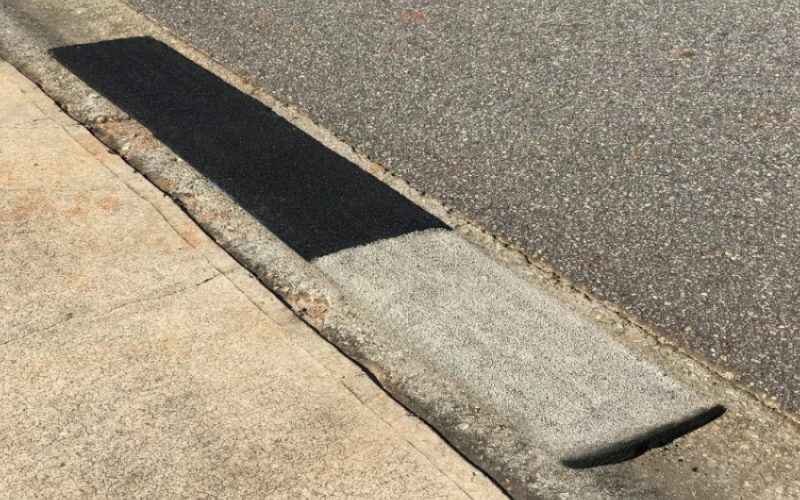
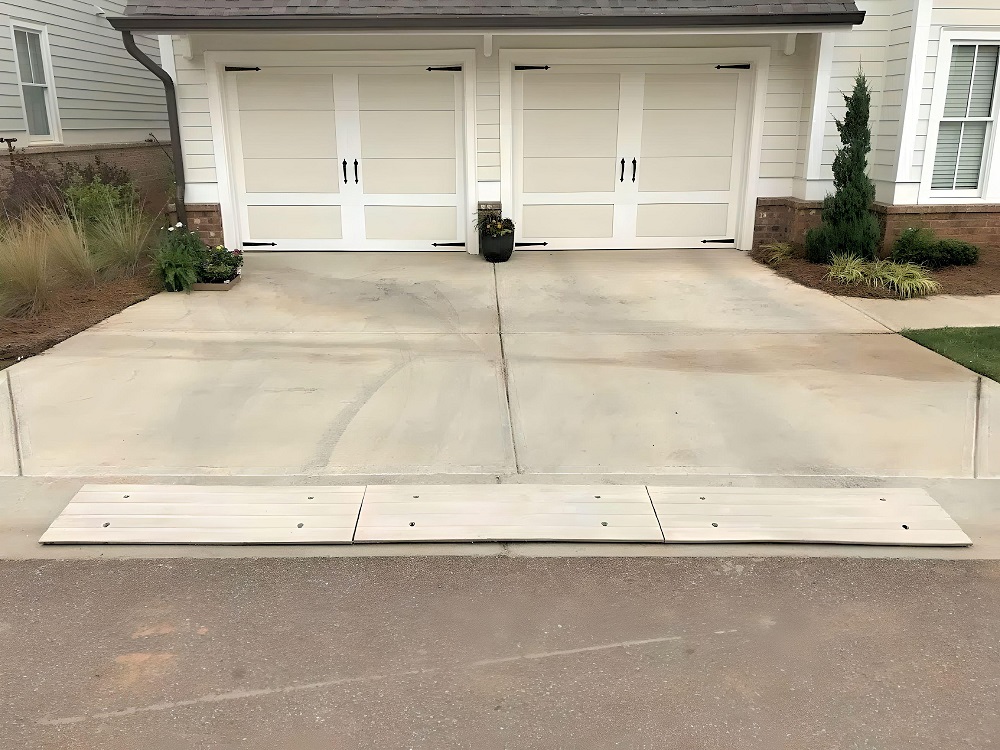
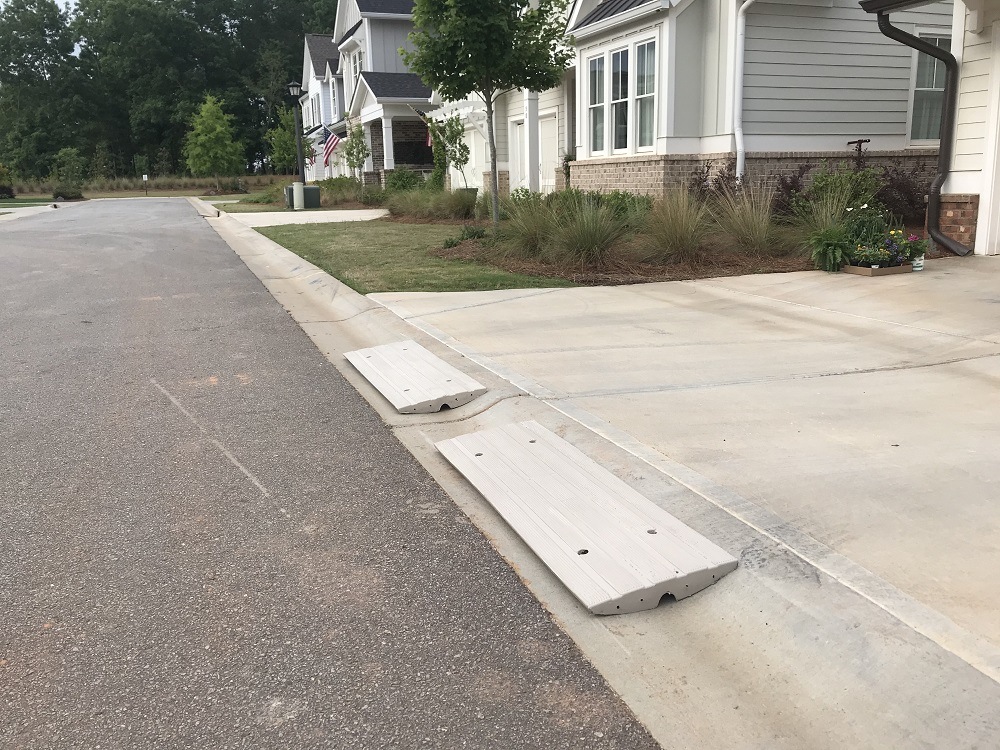
  • In the street gutter, directly against the driveway apron
  • At the base of a raised driveway lip
  • Across a rolled curb transition
  • Along a mid-driveway ridge or drop-off

The goal is always the same — smooth the transition so the vehicle rises gradually instead of impacting abruptly.

How It Reduces Scraping

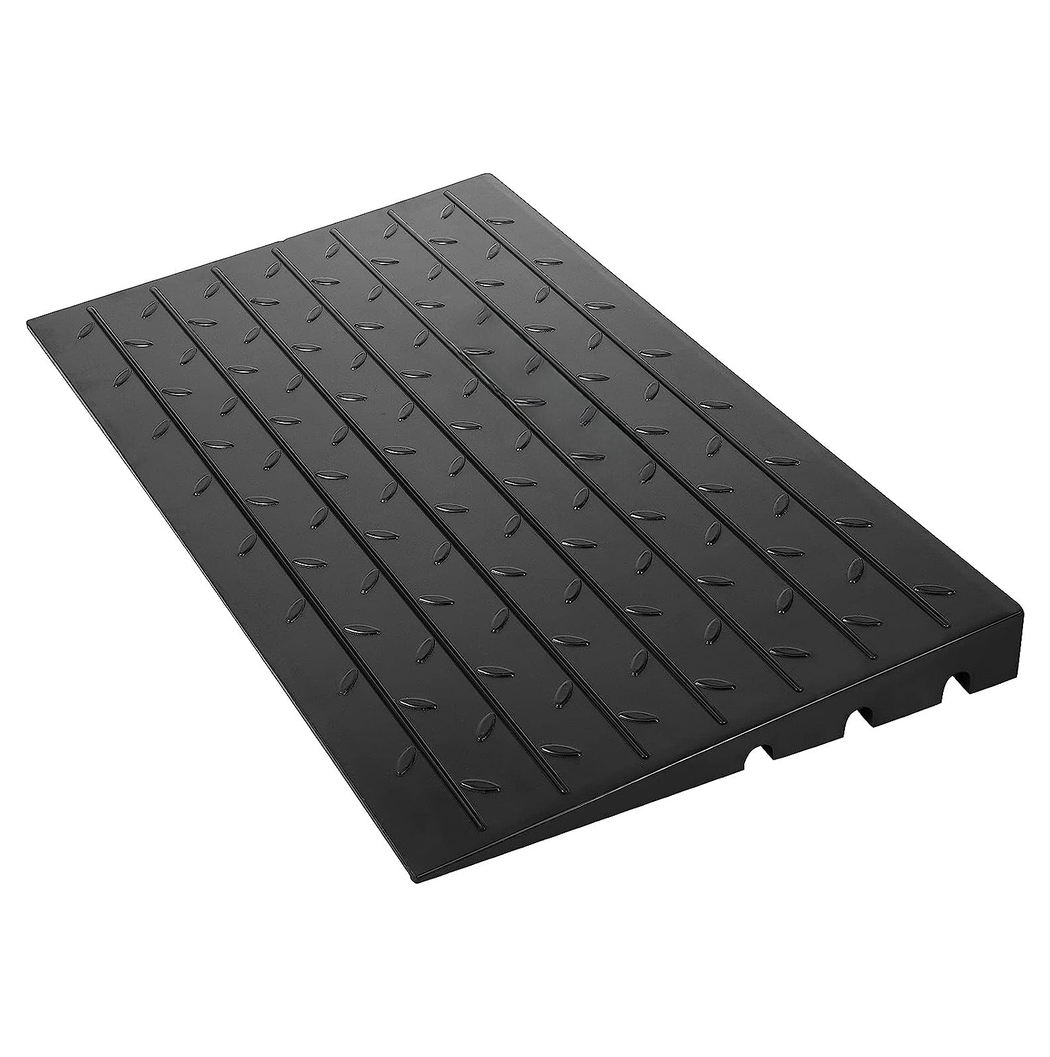
A quality rubber driveway ramp:

  • Reduces the approach angle
  • Lifts the vehicle gradually under the tires
  • Eliminates the harsh breakover point
  • Protects the front bumper, splitter, and undercarriage

Instead of bottoming out, the vehicle transitions smoothly from asphalt to concrete.

low-car-scraping-steep-driveway-rolled-curb-ramp-solution (2)
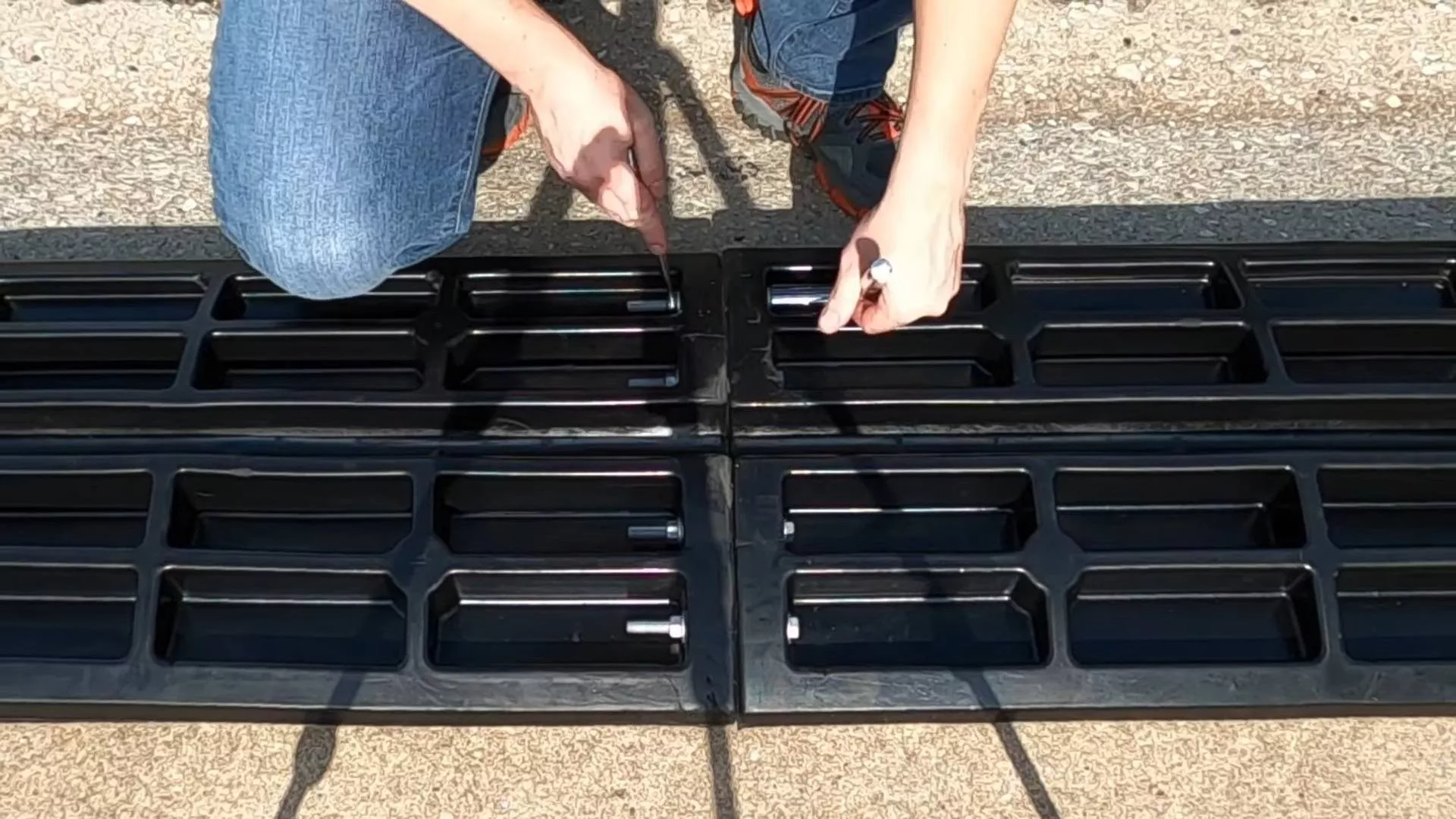
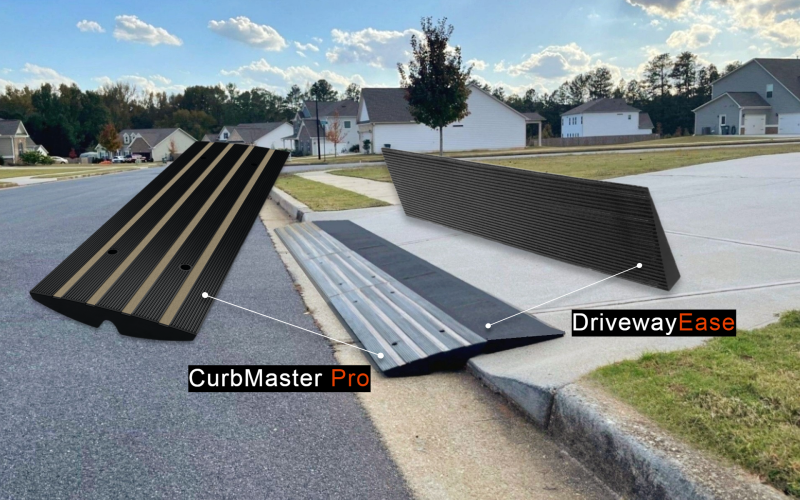
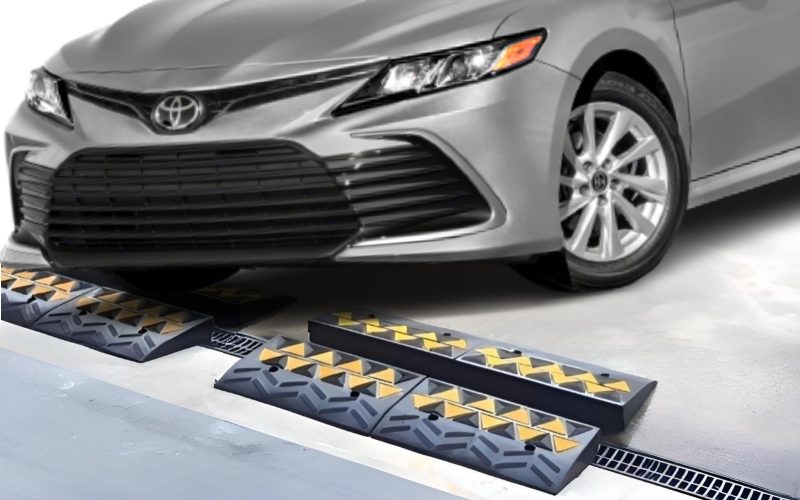
modular-driveway-curb-ramp-setup-for-steep-entry

Choosing the Right Ramp Height

Driveways vary. Some have a small 1″ lip. Others drop 2–3″ from the street to the apron. That’s why ramp height matters.

Common configurations include:

  • 1″ ramps for small lips and mild transitions
  • 2″ ramps for moderate curb drops or steep aprons
  • 3″ ramps for more aggressive driveway angles
  • Combination setups for custom transitions

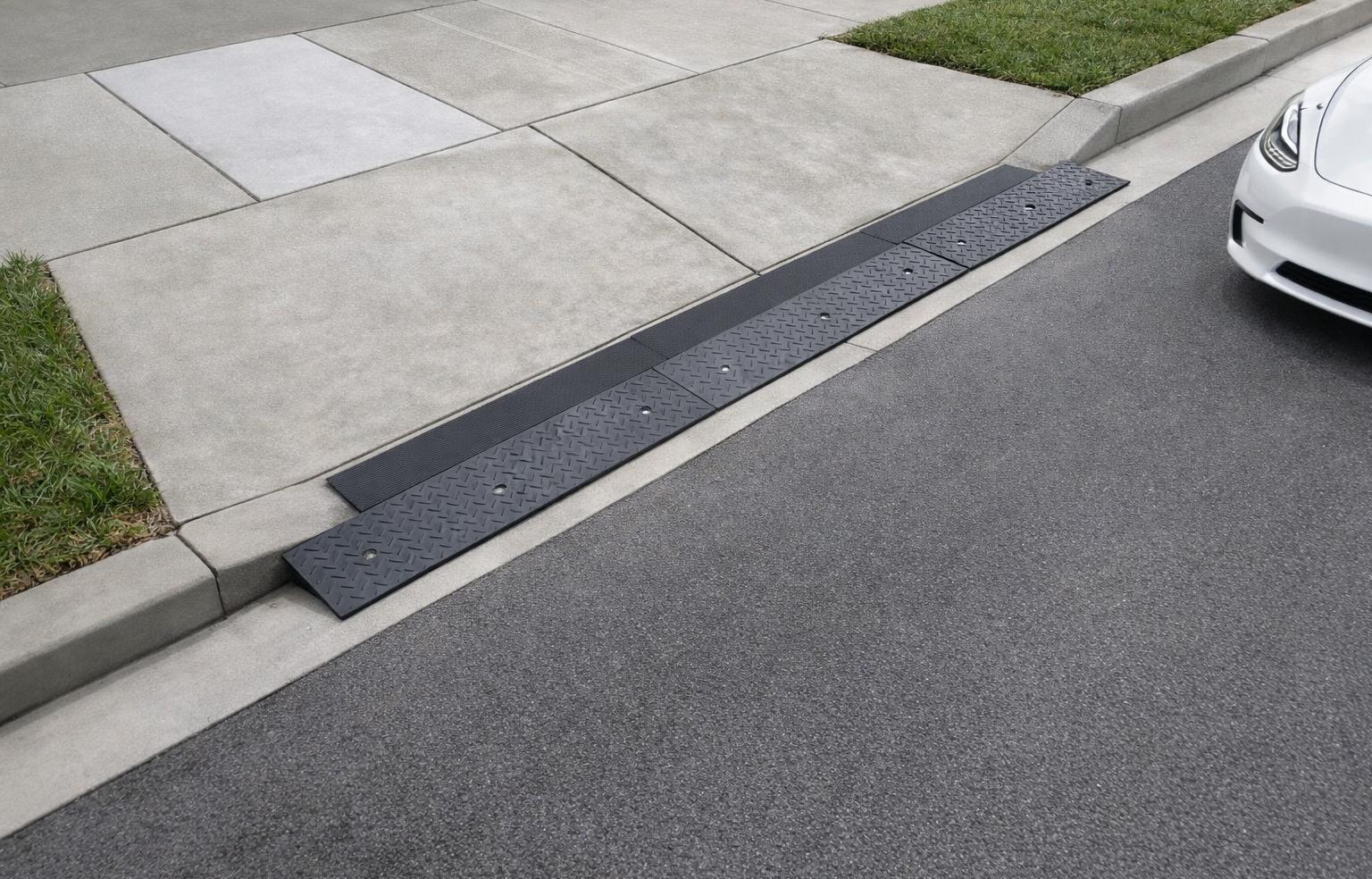
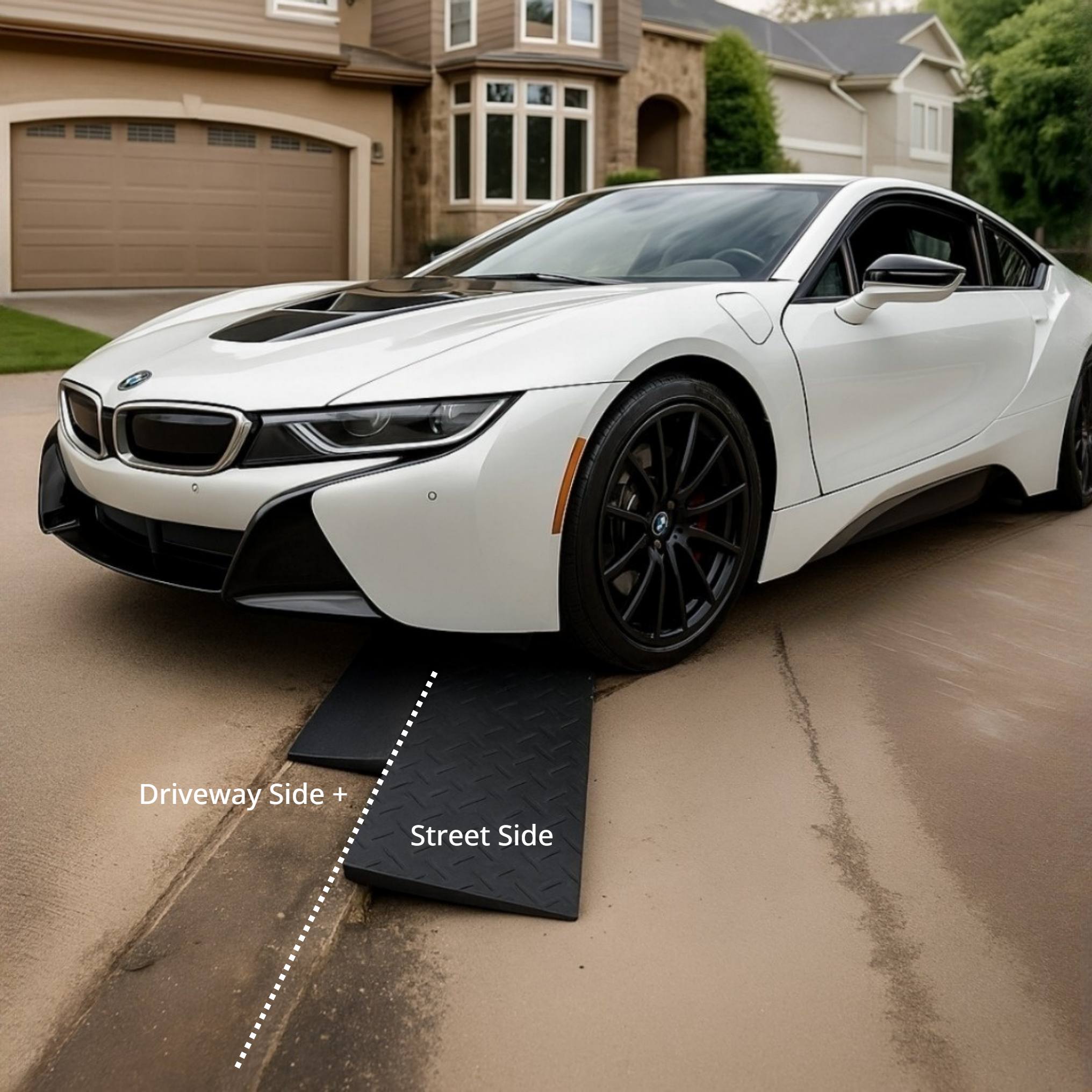
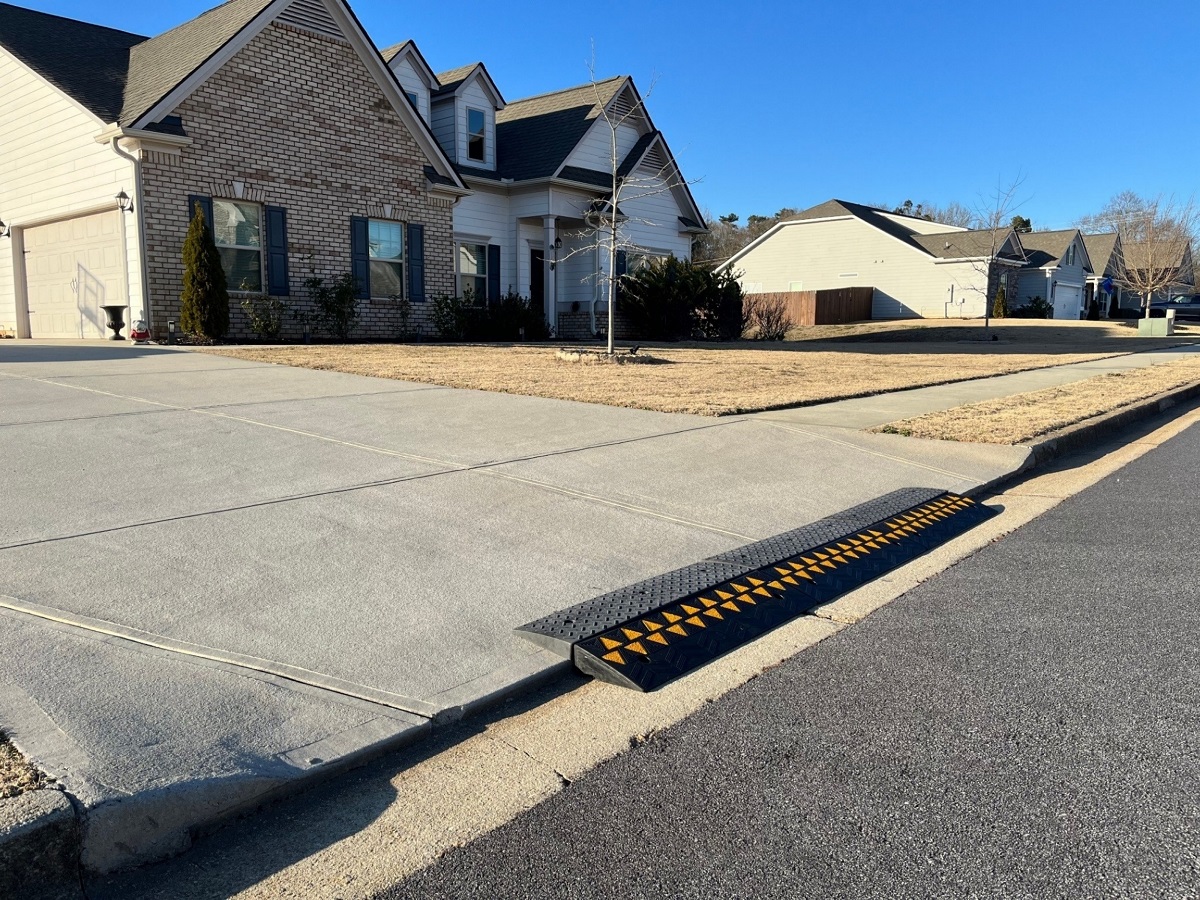
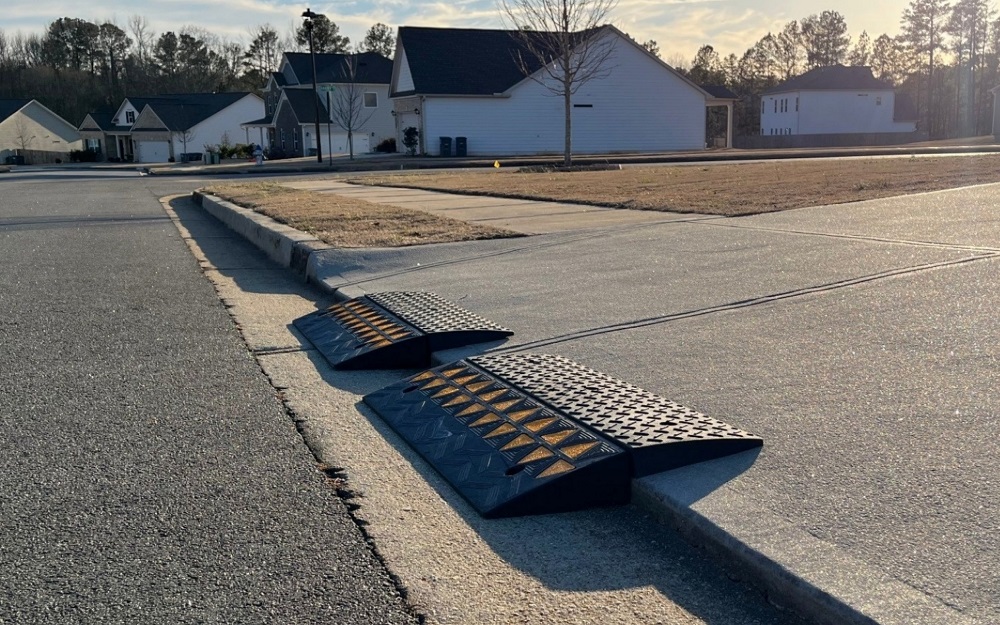
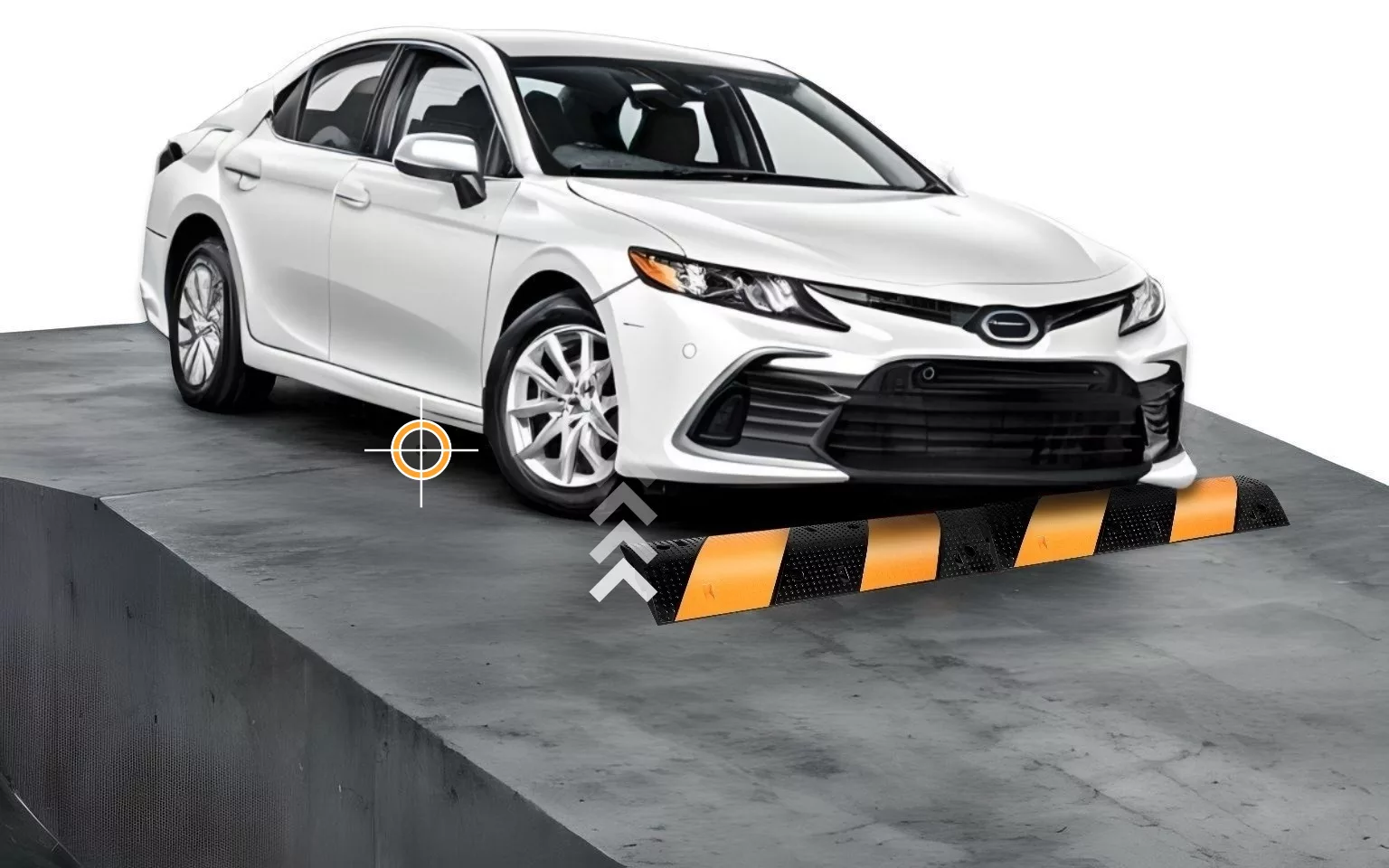
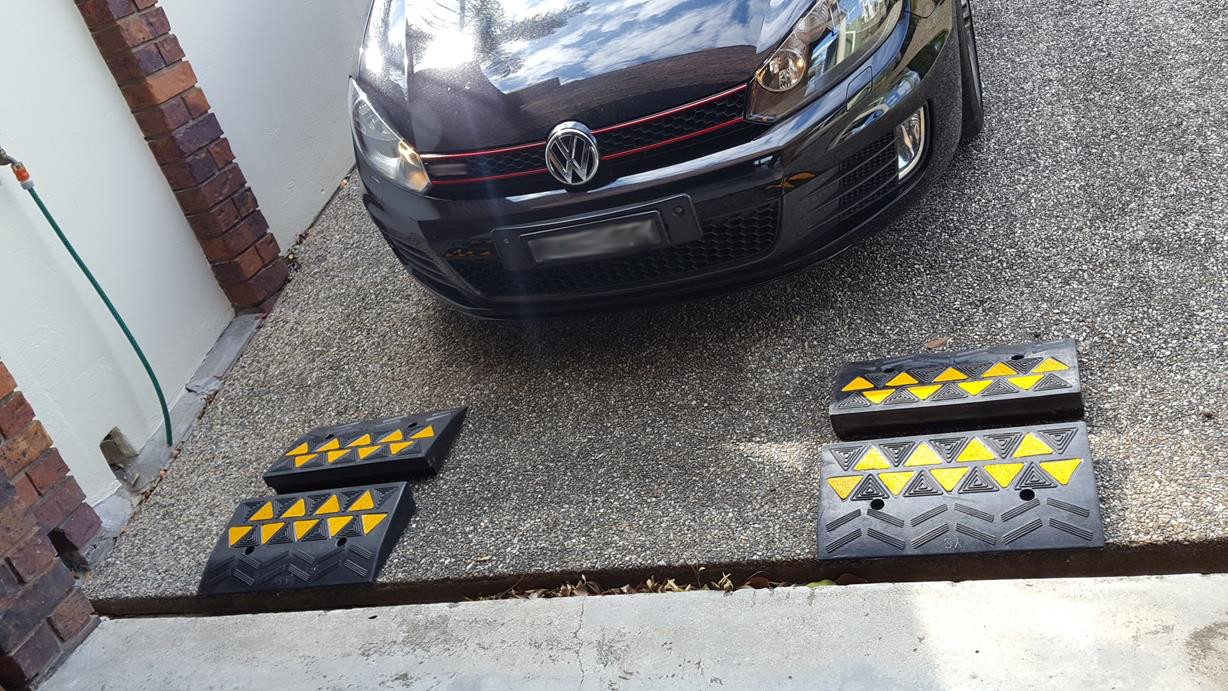
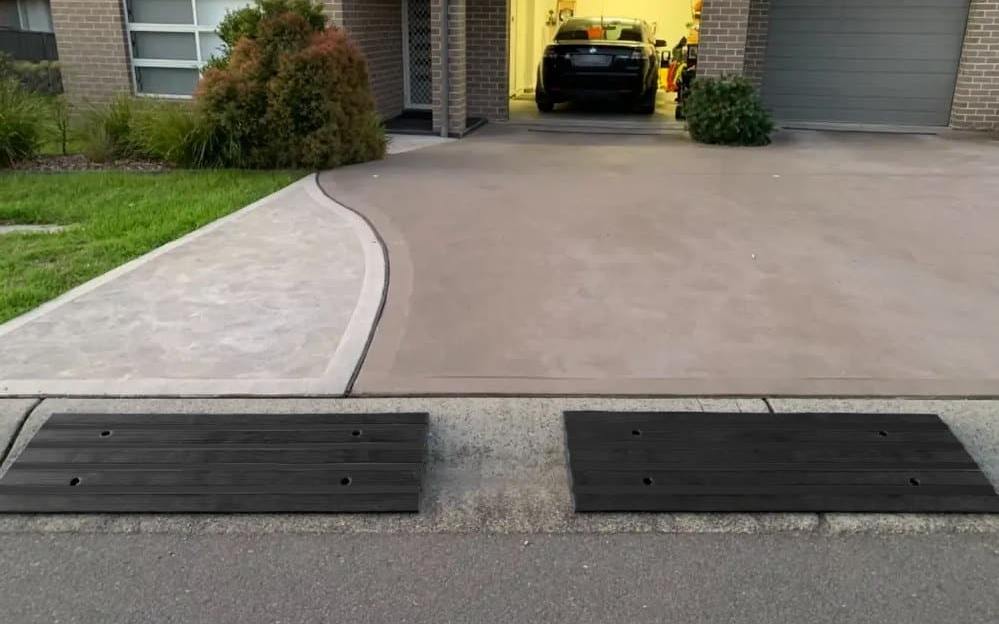
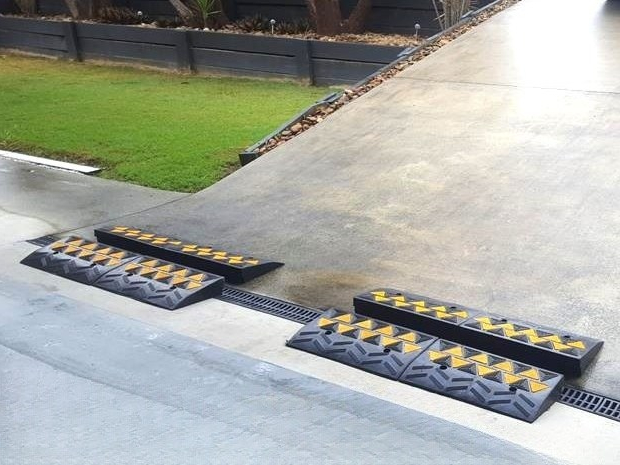
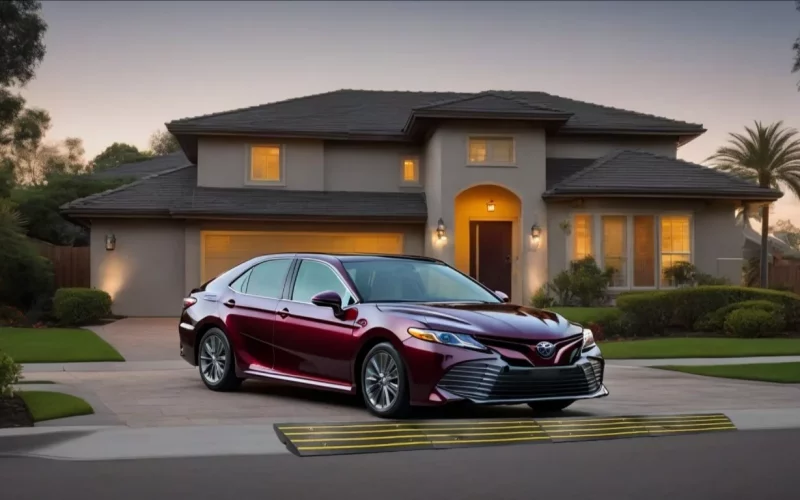
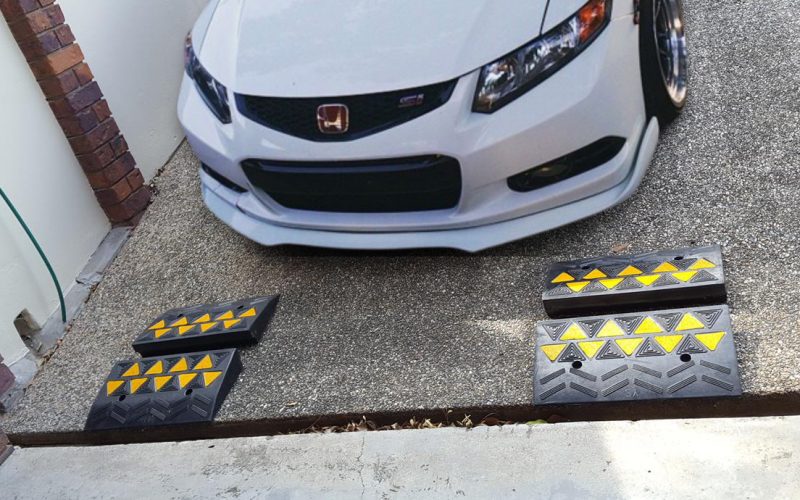
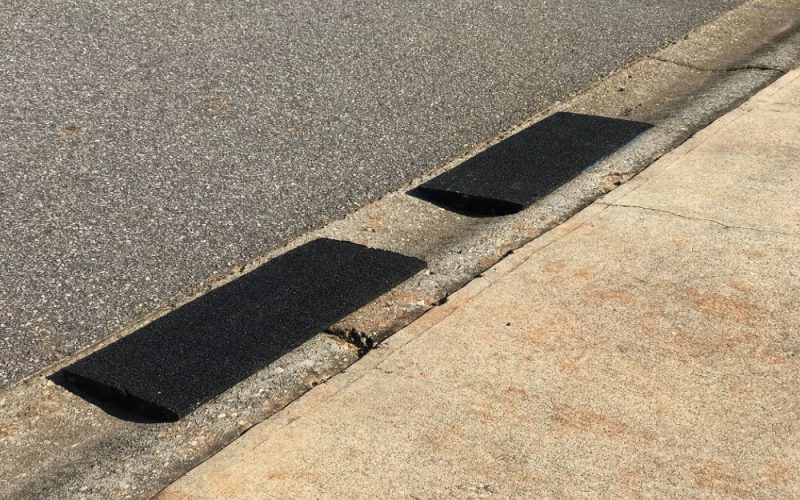
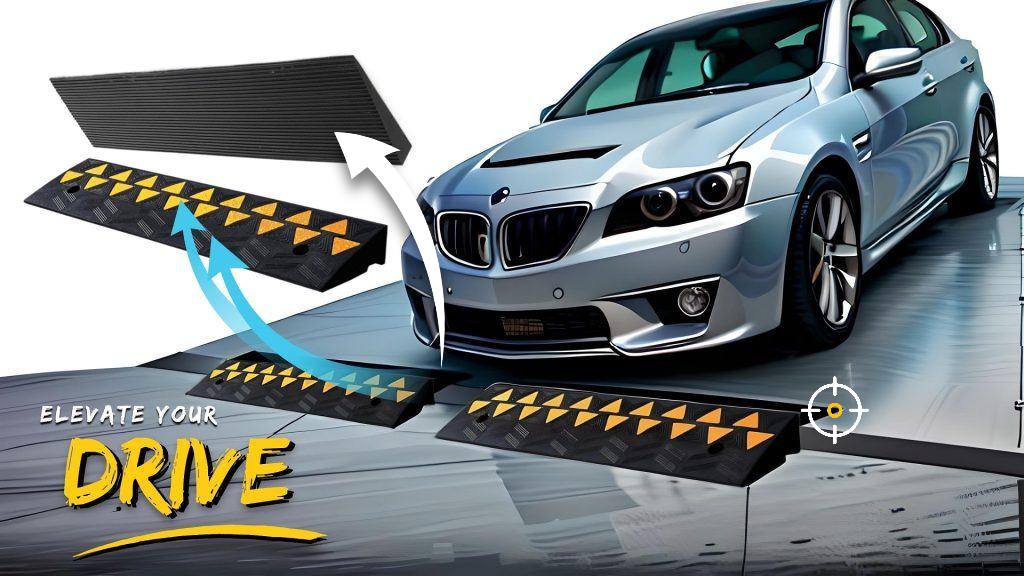
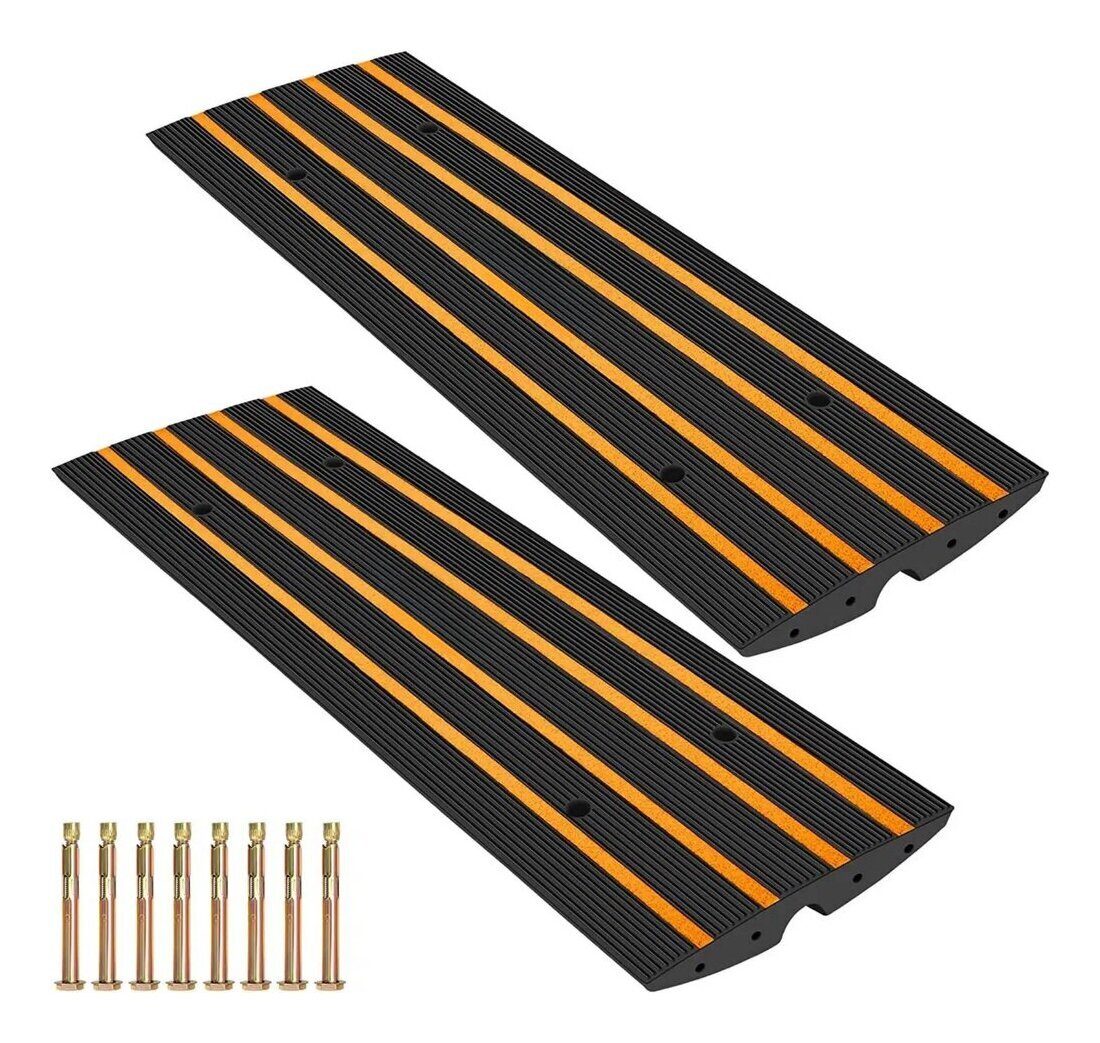
In many steep driveway scenarios, a 2″ ramp placed in the gutter paired with a 1″ ramp on the driveway side creates a smooth, progressive lift. This layered approach allows low-clearance vehicles to climb gradually instead of contacting at a single sharp edge.

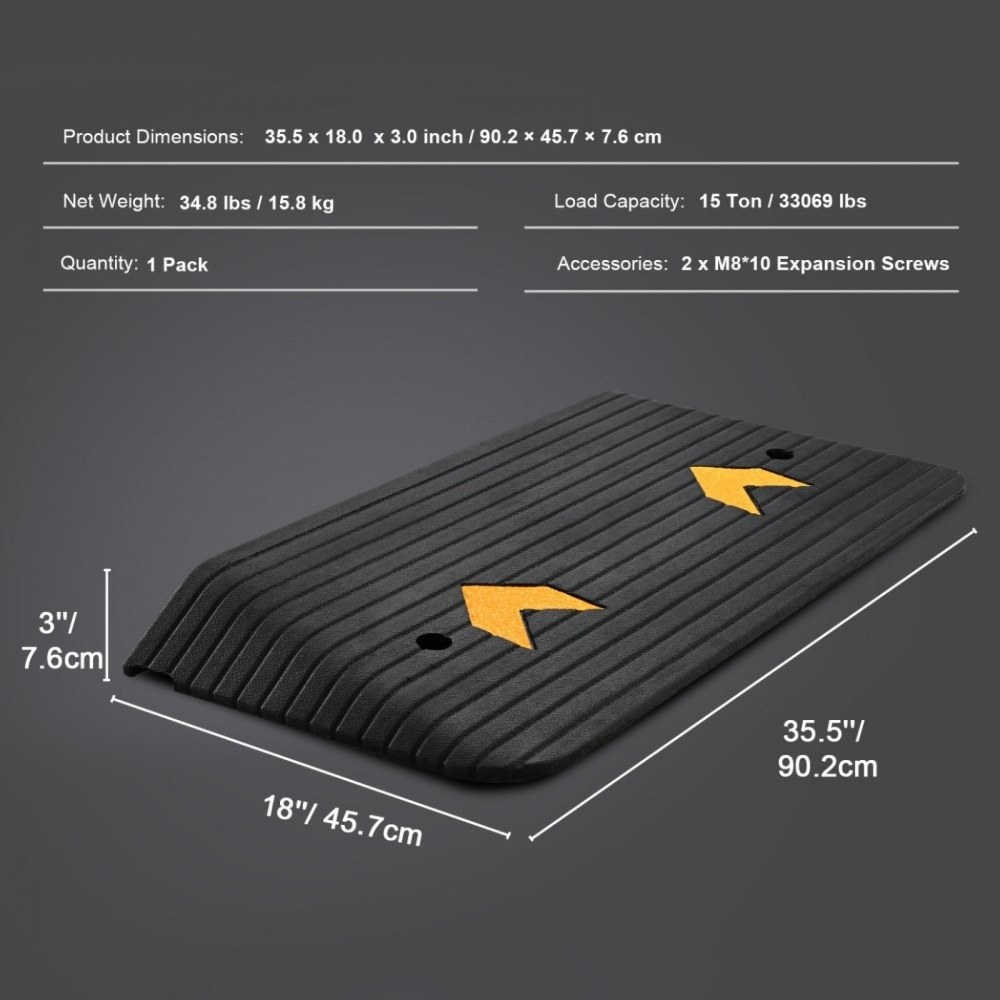
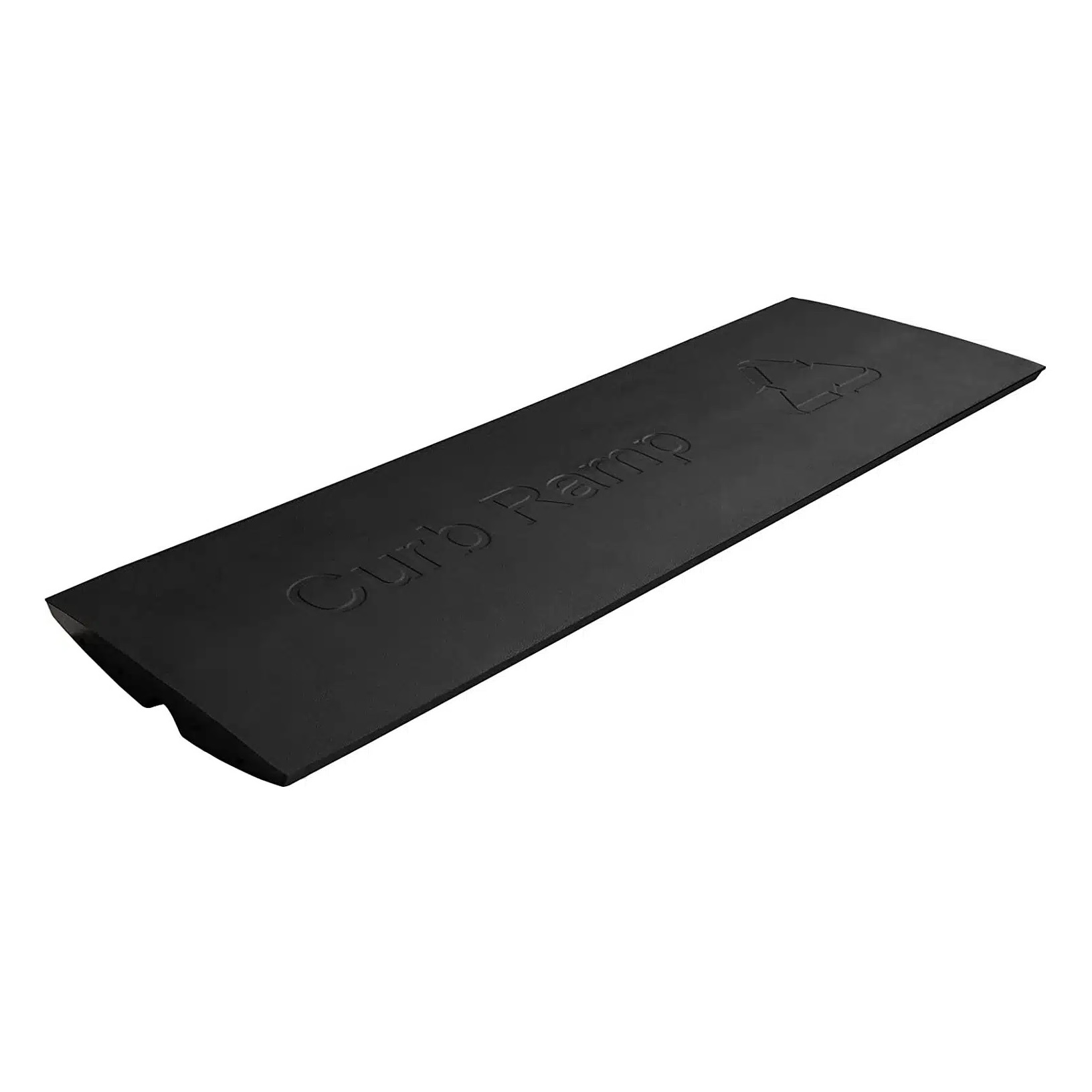
That’s often where a 40″ x 10″ x 2″ ramp combined with a 36″ x 8″ x 1″ ramp becomes an effective solution — especially when the driveway has both a vertical lip and a steep incline.

Built for Real Driveways

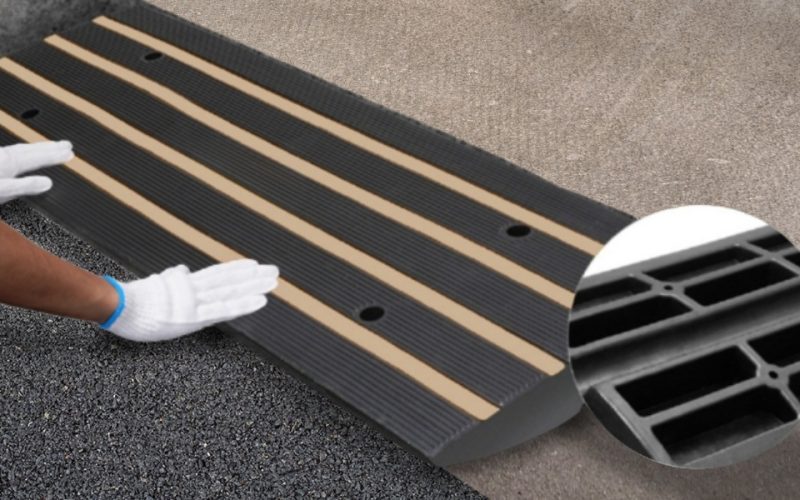
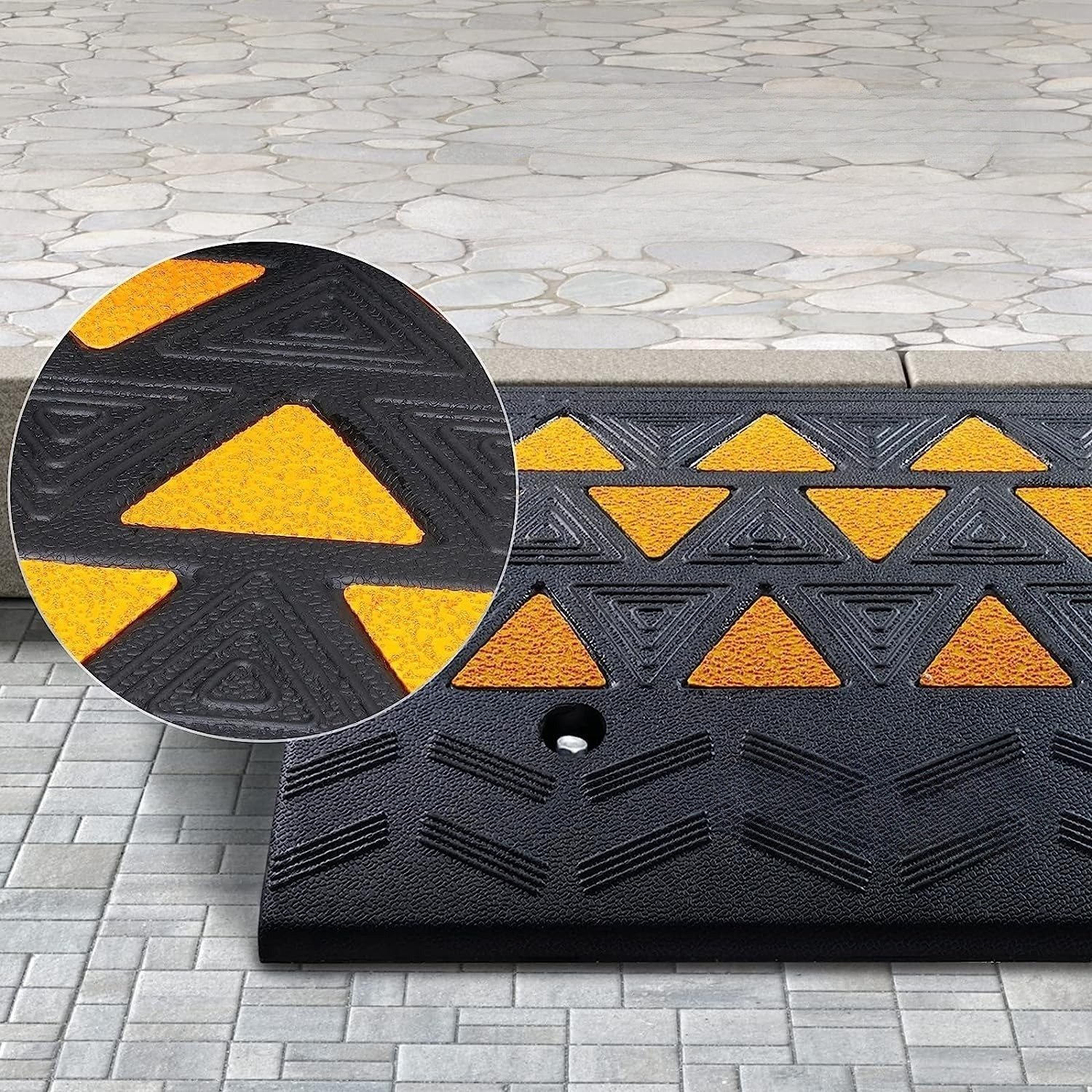
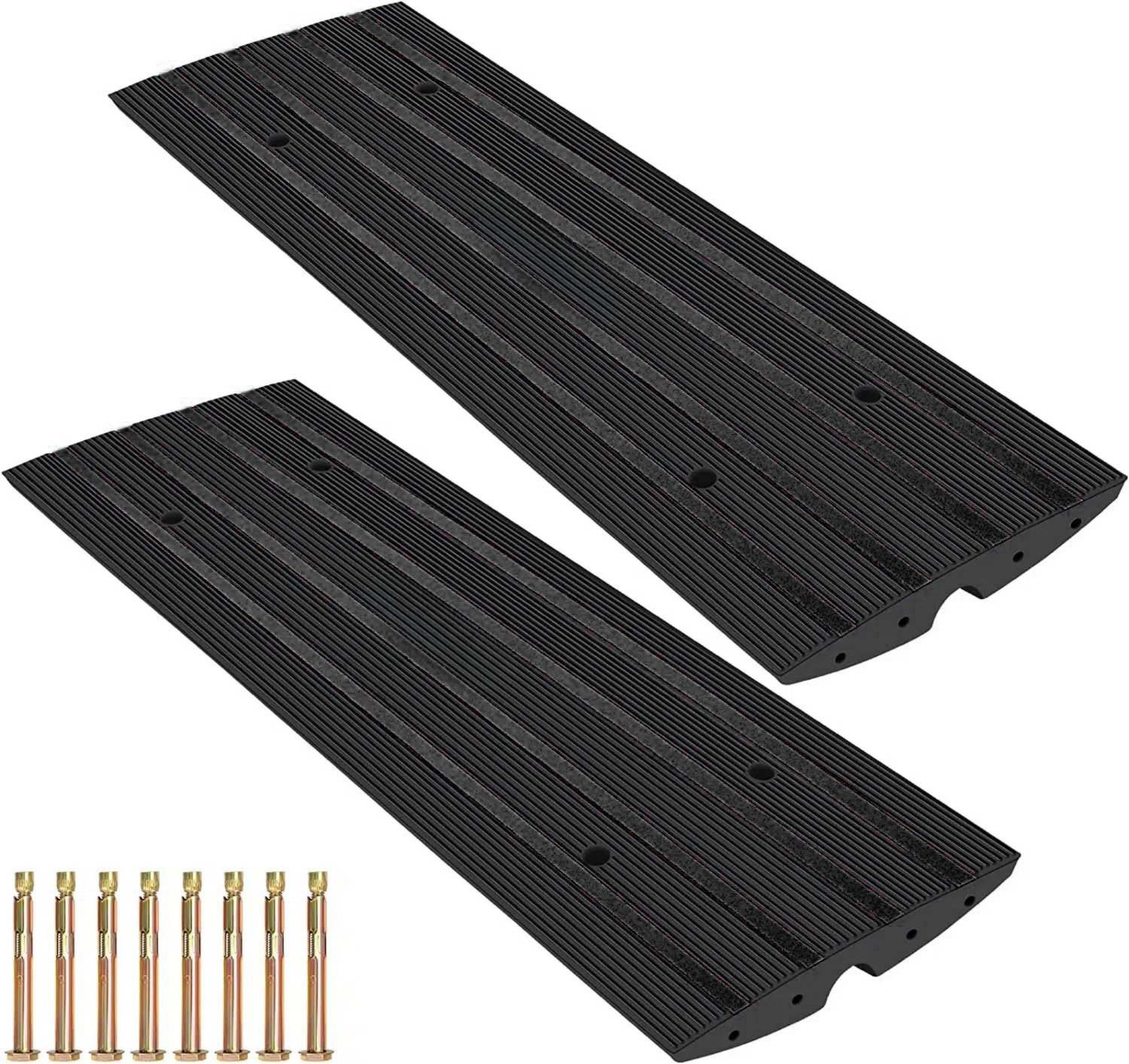
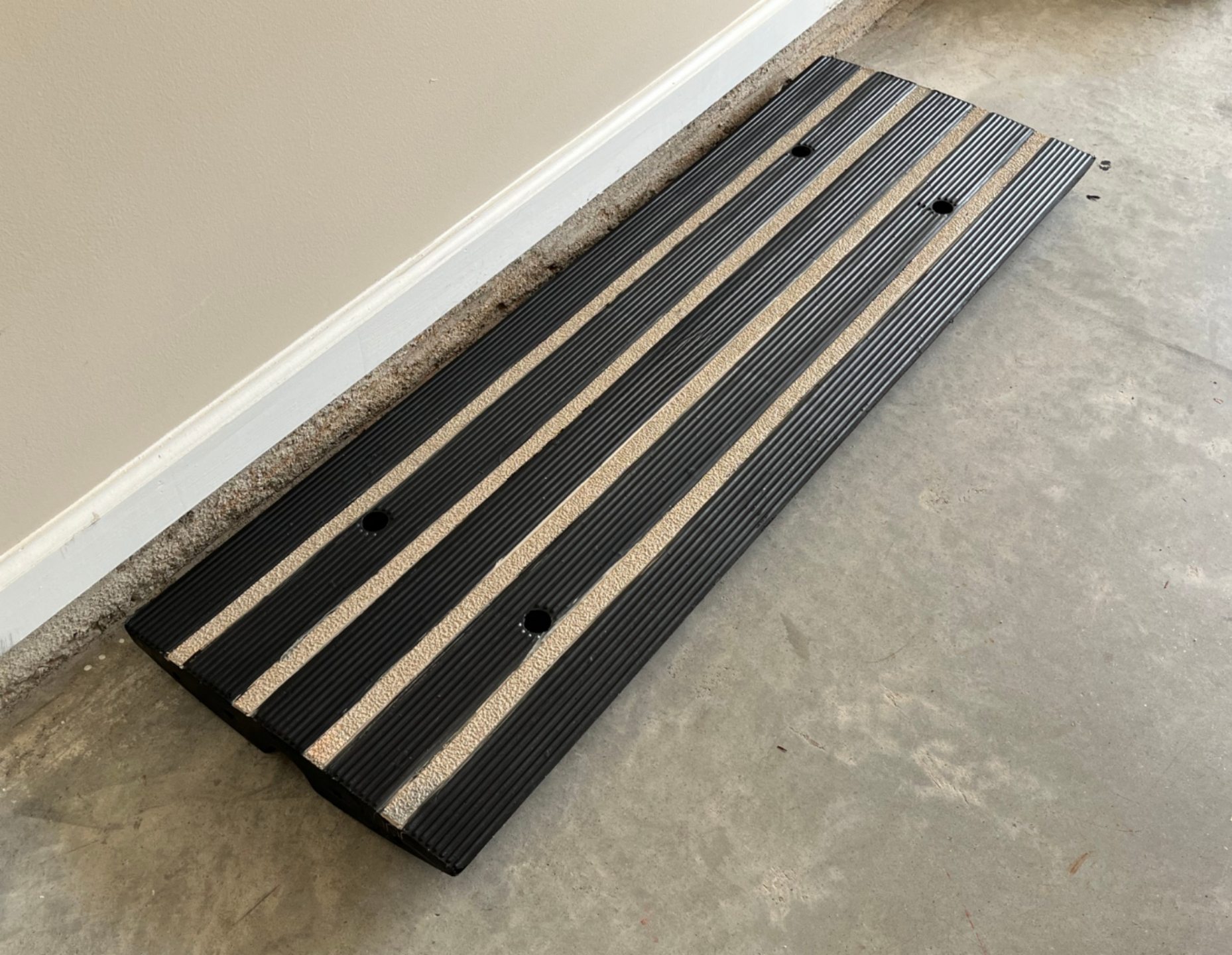
Heavy-duty rubber construction provides:

  • High weight capacity
  • Long-term durability
  • Resistance to cracking or shifting
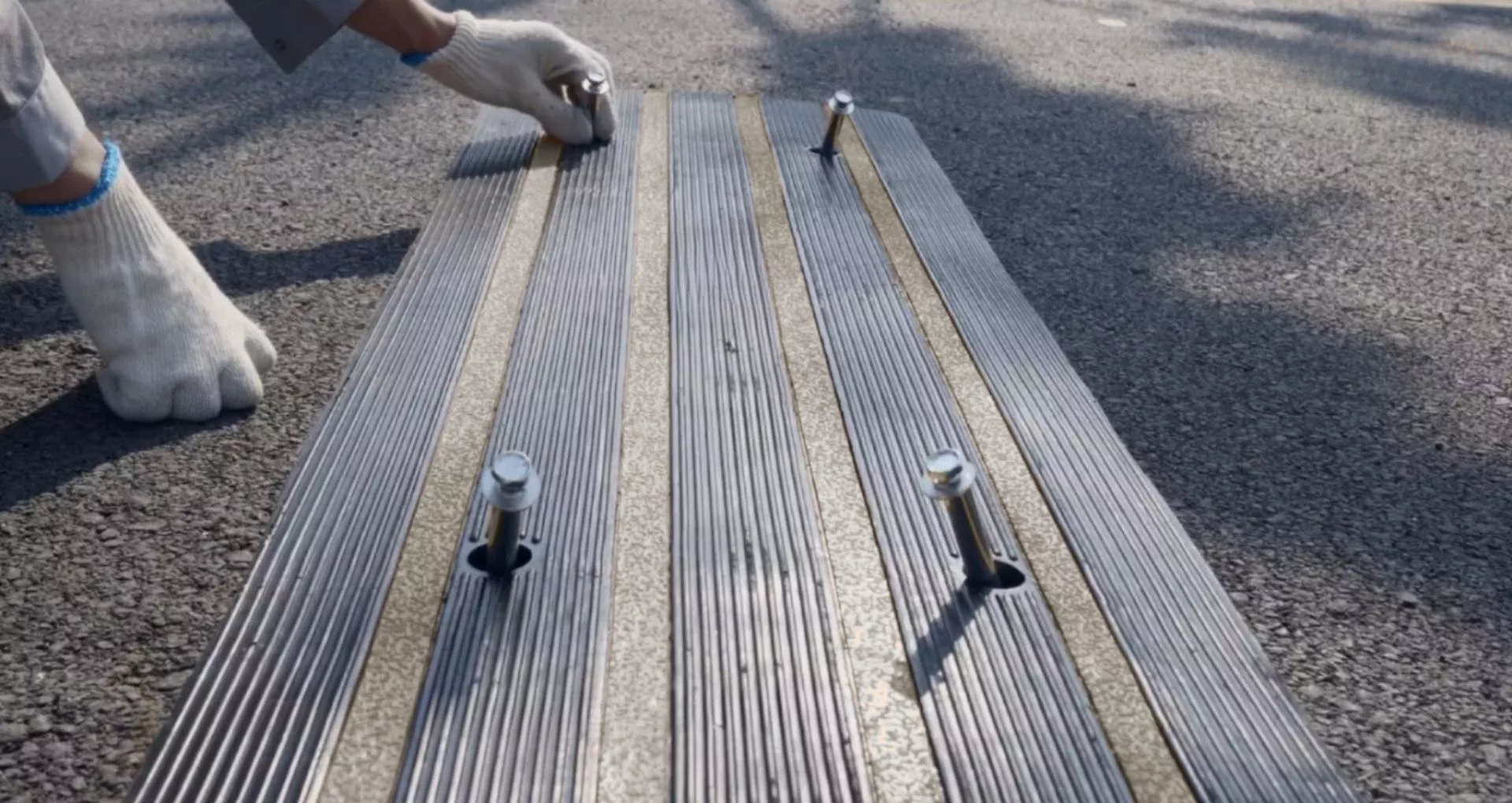
  • Built-in drainage channels to allow water flow through the gutter

Because the ramp follows the contour of the transition and remains stable under load, it becomes a permanent improvement to the driveway — not a temporary fix.

curbside-driveway-ramp-for-low-clearance-cars-2

What Height Ramp Does a Low Car Need?

Not all driveway scraping is caused by the same issue. The right ramp height depends on what’s actually creating the contact point.

Before choosing a setup, look at your driveway and identify one of these common scenarios.

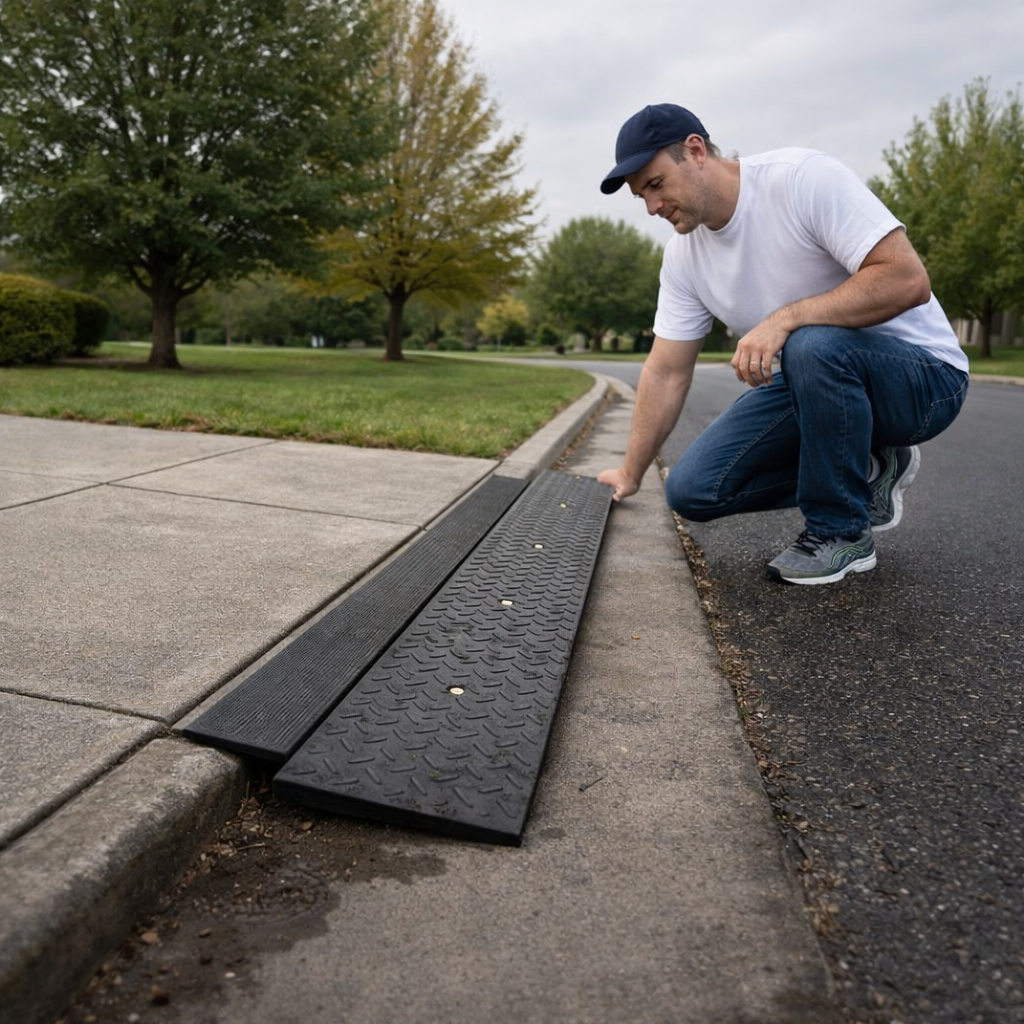
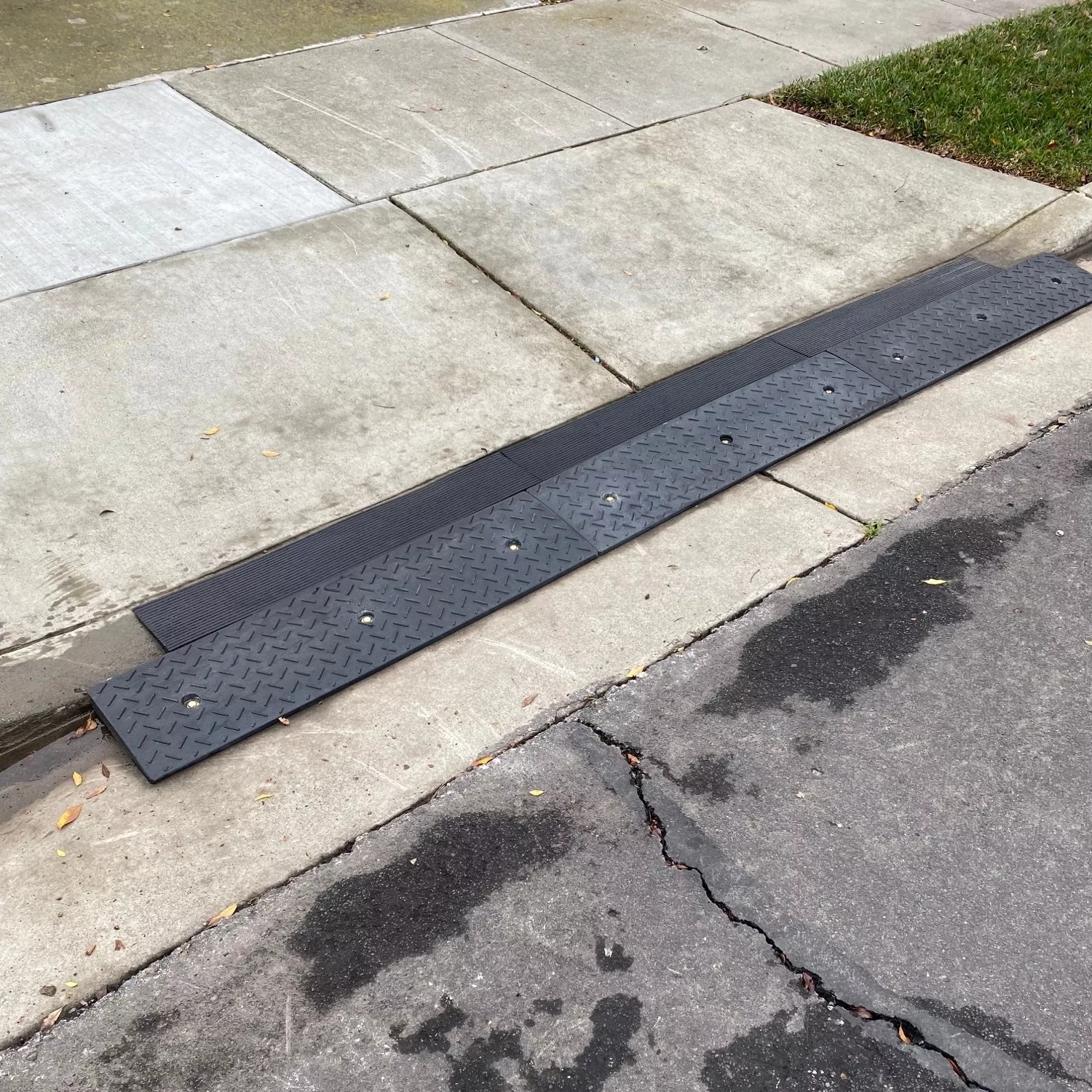
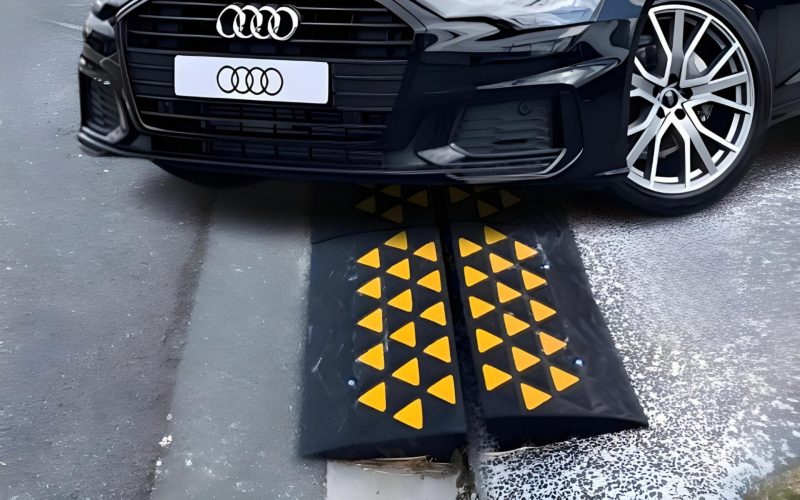
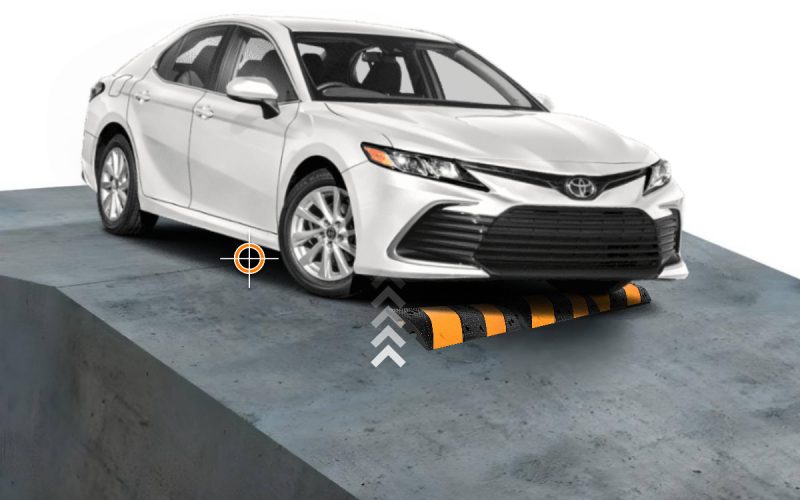
Rubber driveway curb lip ramp installed at the street edge to reduce the sharp curb drop-off that causes low cars to scrape when entering the driveway.

Small Lip at the Curb

If your driveway has a small vertical lip where the concrete meets the street — typically around 1″ — that lip is often what’s catching the underside of low-clearance vehicles.

In this case:

  • A 1″ ramp may be enough
  • Some setups benefit from a 1–2″ combination for smoother lift
  • The goal is to eliminate the vertical edge so the tires rise before the chassis reaches it

This is common on newer driveways with sharp transitions at the gutter.

Moderate Drop from Street to Driveway

If the street sits lower than the driveway apron by about 2″, the issue is usually a steep angle combined with a vertical rise.

In this situation:

  • A 2″ ramp in the gutter helps reduce the initial breakover angle
  • Adding a 1″ ramp on the driveway side can create a gradual, progressive lift
  • Some steeper transitions may require a 2–3″ setup depending on vehicle clearance

This layered configuration is often ideal for low cars that scrape even when entering slowly.

driveway-curb-ramp-installation-steep-driveway-transition
driveway-curb-ramps-for-low-sports-car-steep-driveway-entry

Steep Driveway with No Vertical Lip

Some driveways don’t have a sharp lip — just a steep incline directly from the road.

  1. If there’s no vertical edge but the approach angle is aggressive:
  2. A 2″ or 3″ ramp placed in the street gutter alone may be enough
  3. The goal is simply to reduce the angle, not fill a gap

In these cases, you’re smoothing the transition rather than stacking heights.

How to Know for Sure

The simplest way to determine the right height:

  1. Slowly drive forward until the front end begins to scrape.
  2. Stop and mark where your front tires are positioned.
  3. Measure the vertical difference between the street and driveway at that point.

That measurement typically tells you which height range will work.

Choosing the correct ramp height isn’t about guessing — it’s about matching the ramp to the geometry of your driveway.

When the angle is reduced properly, low-clearance vehicles transition smoothly without bottoming out or driveway scraping.

steep-driveway-ramp-for-low-car-clearance
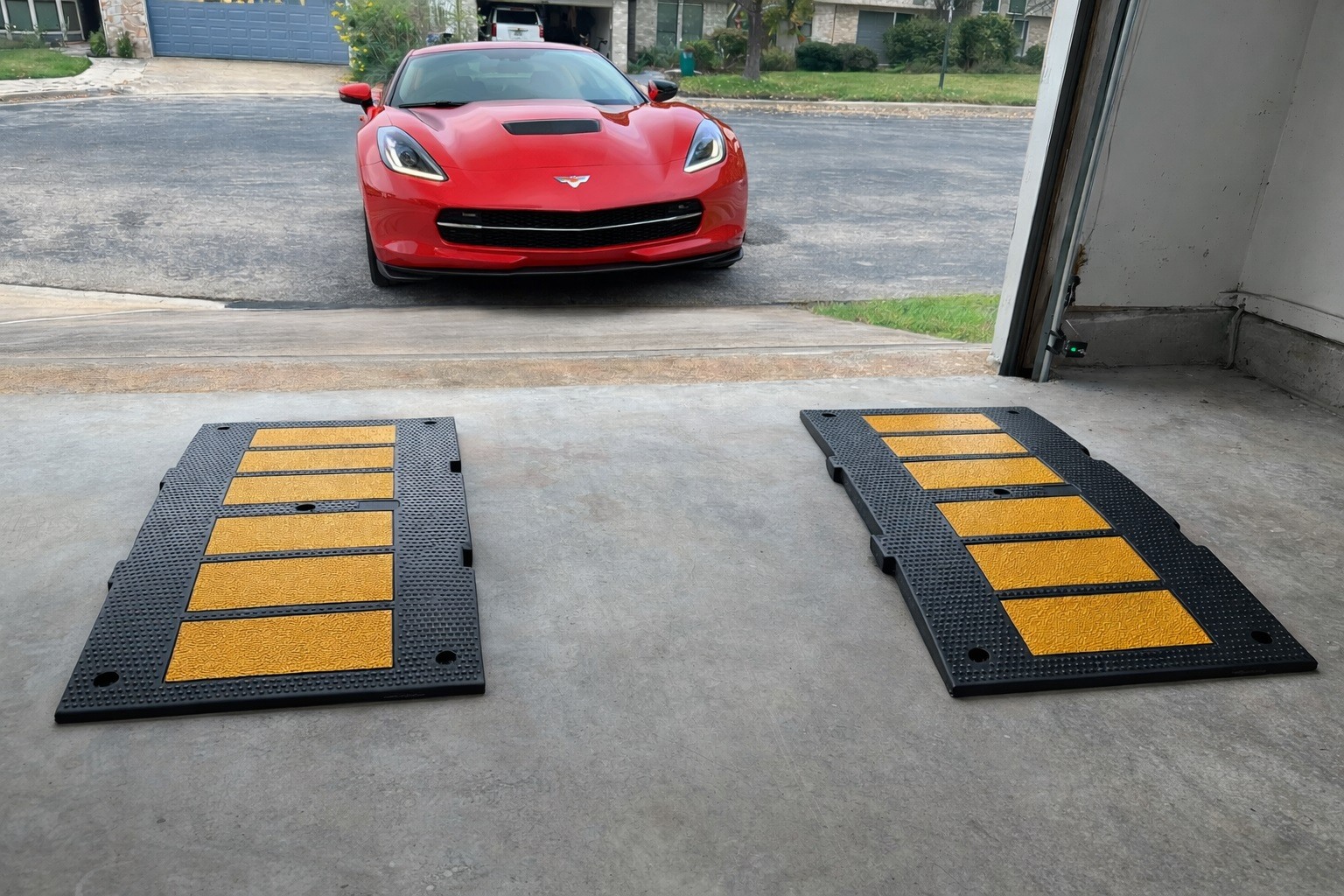
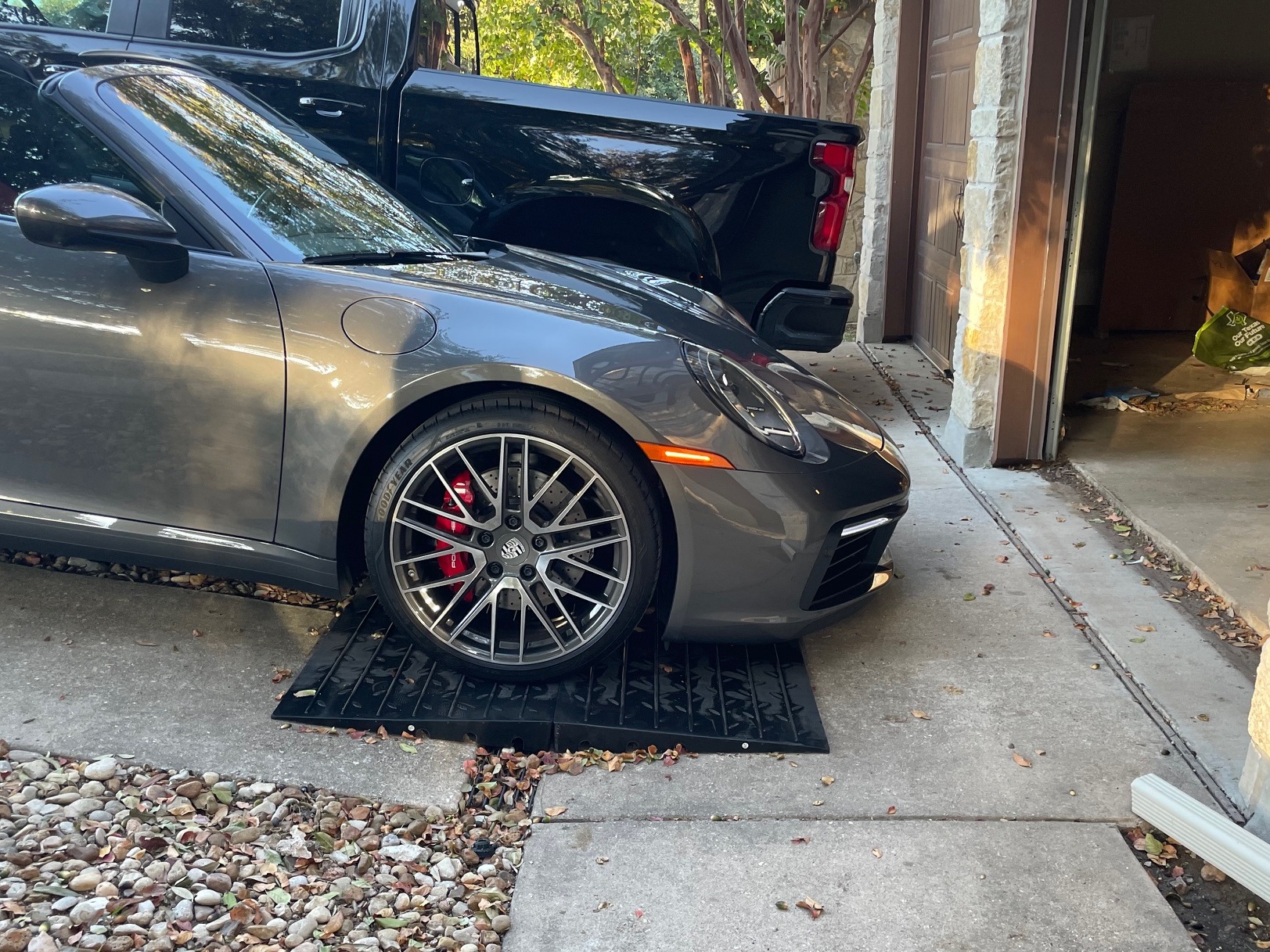
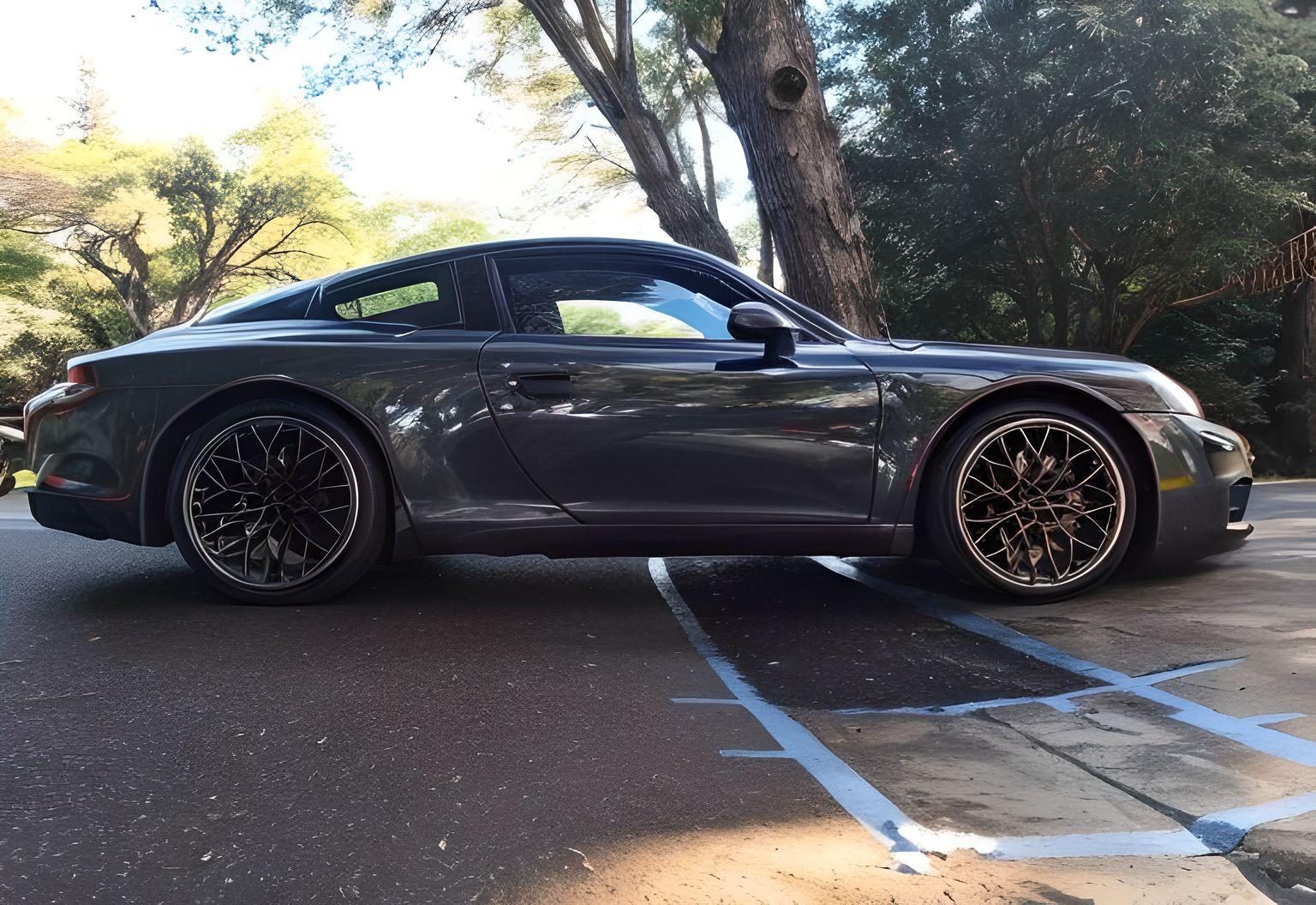
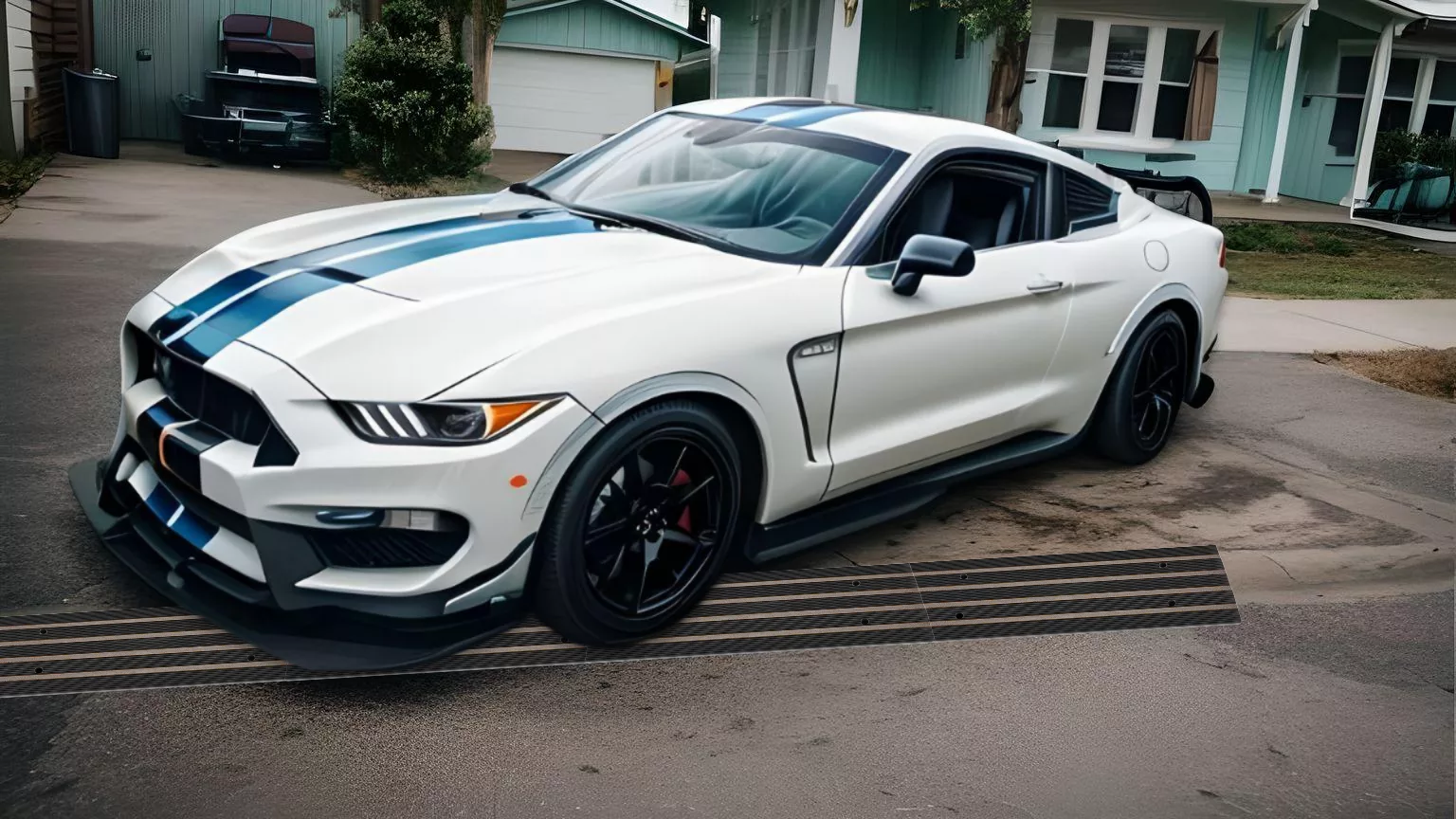
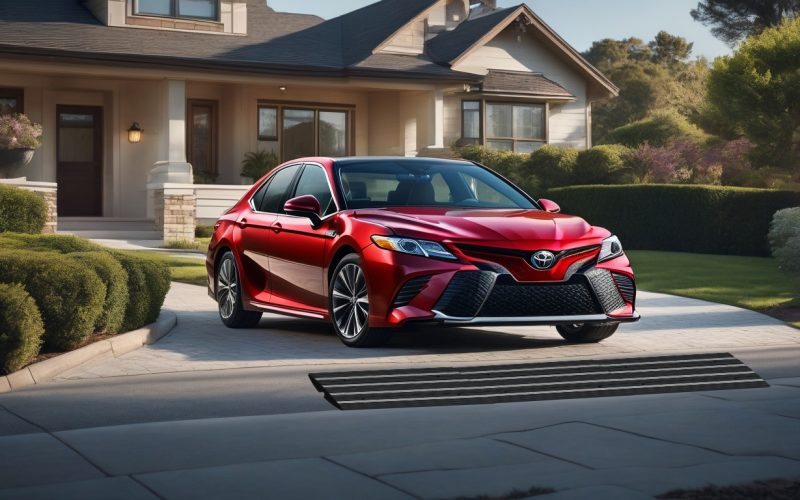
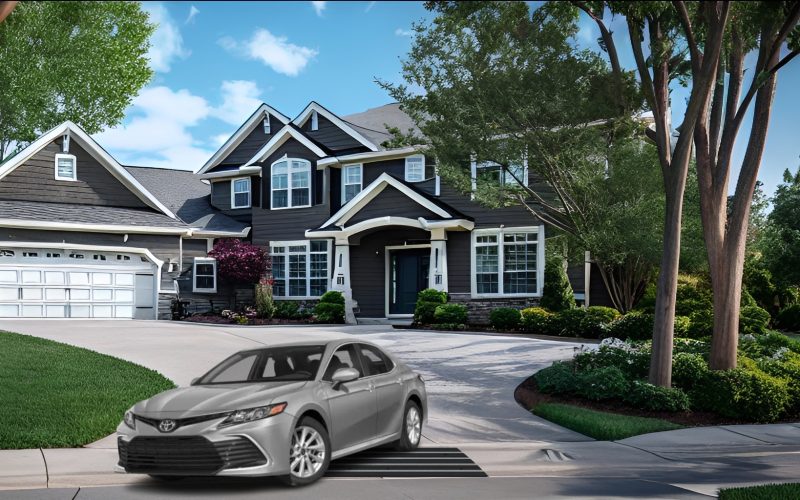
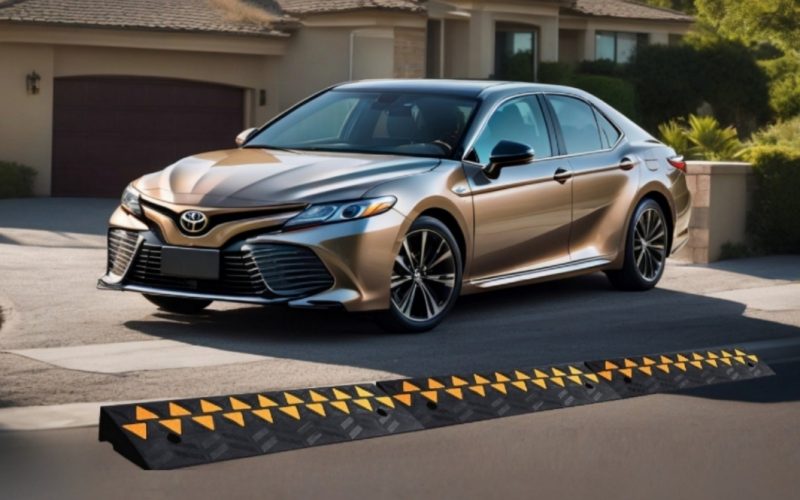
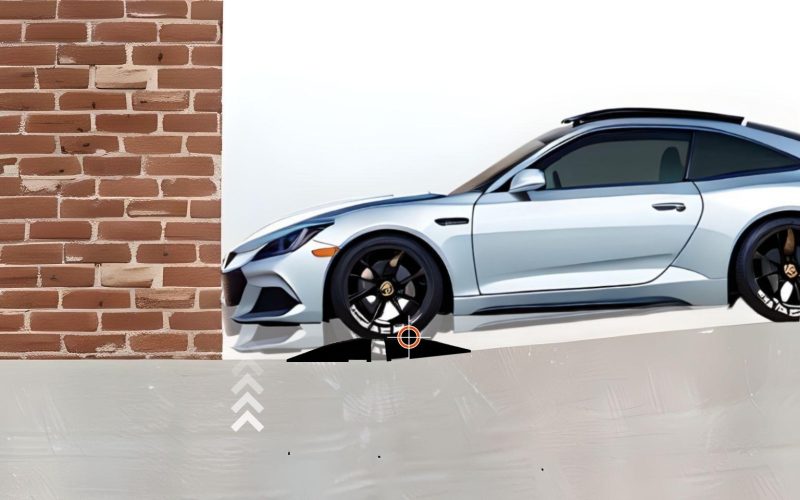
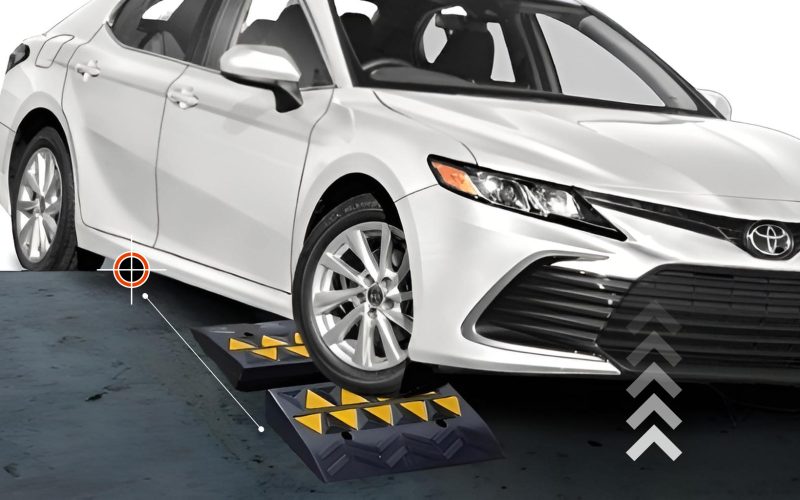
Low sports car approaching a steep garage driveway with rubber ramps aligned under the tires to prevent scraping.

Designed for Low-Clearance Vehicles Like:

Not every vehicle needs a driveway ramp — but low-clearance vehicles absolutely benefit from one when the transition angle is too steep.

These setups are commonly used by drivers of:

  • Sports cars with aggressive front overhang
  • Teslas and other low electric vehicles
  • BMW M cars and performance trims
  • Lowered sedans and modified cars
  • Splitter-equipped vehicles with extended front lips

Performance vehicles are engineered to sit lower for better handling and aerodynamics. That lower ride height looks great on the road — but it leaves very little room for steep driveway transitions.

Even factory-stock vehicles can experience driveway scraping if:

  • The driveway apron is sharp
  • The curb drop is abrupt
  • The street sits lower than the concrete
  • The front bumper extends far forward

For vehicles with long front overhang or aftermarket splitters, the margin is even tighter.

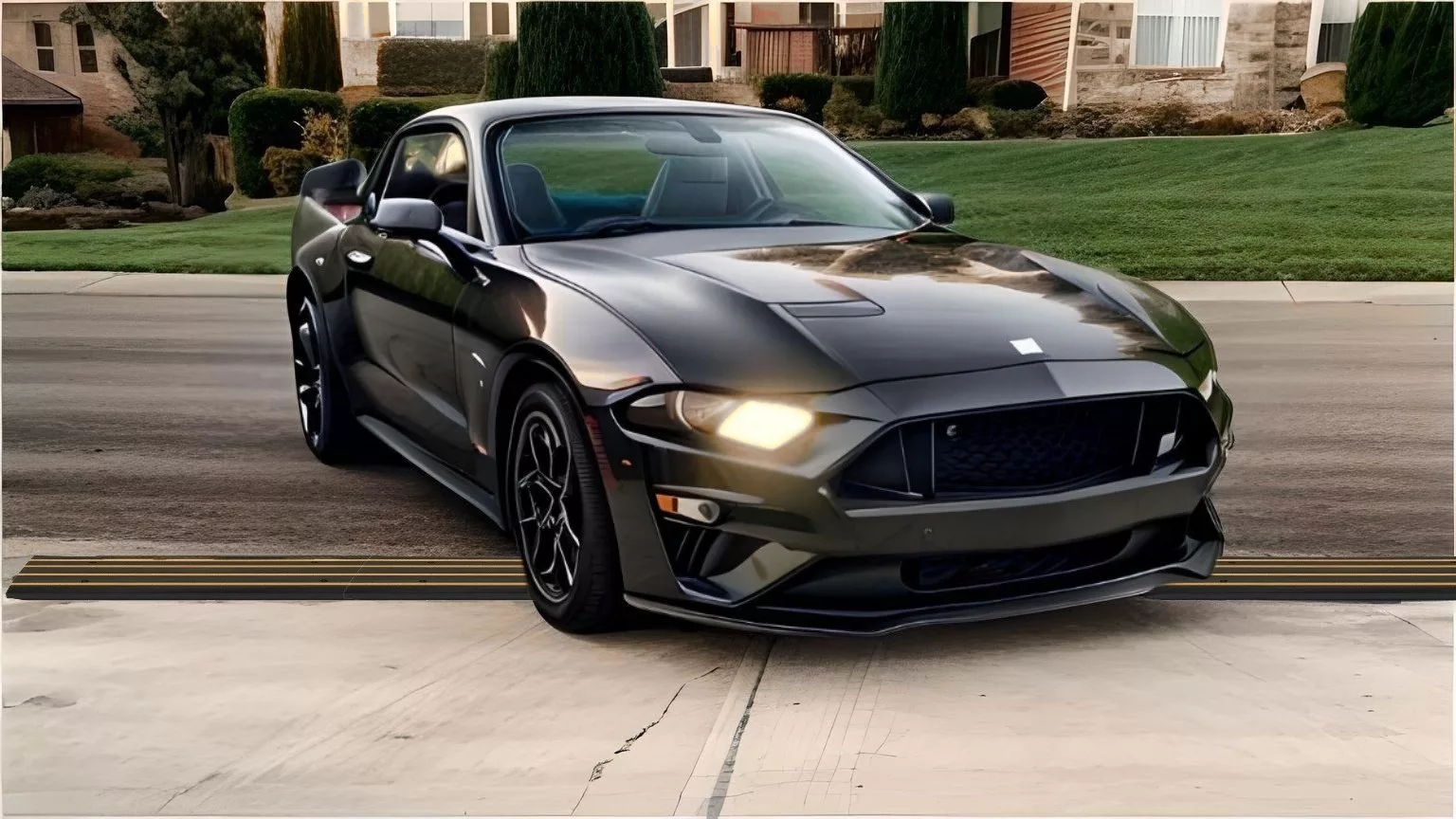
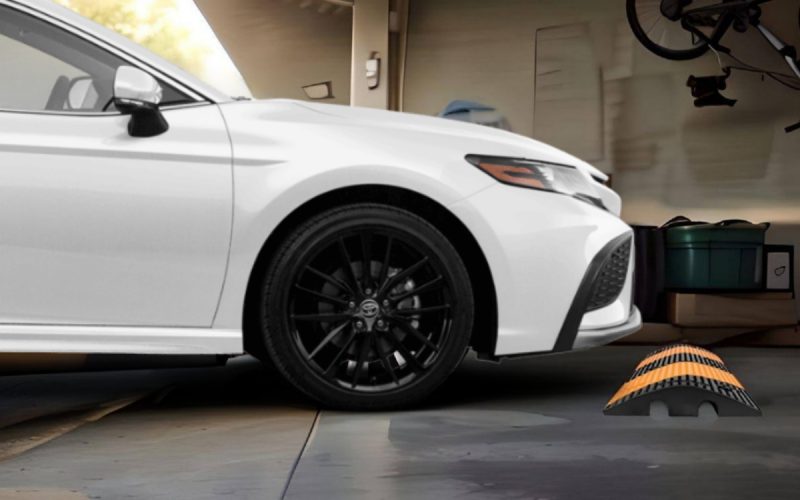
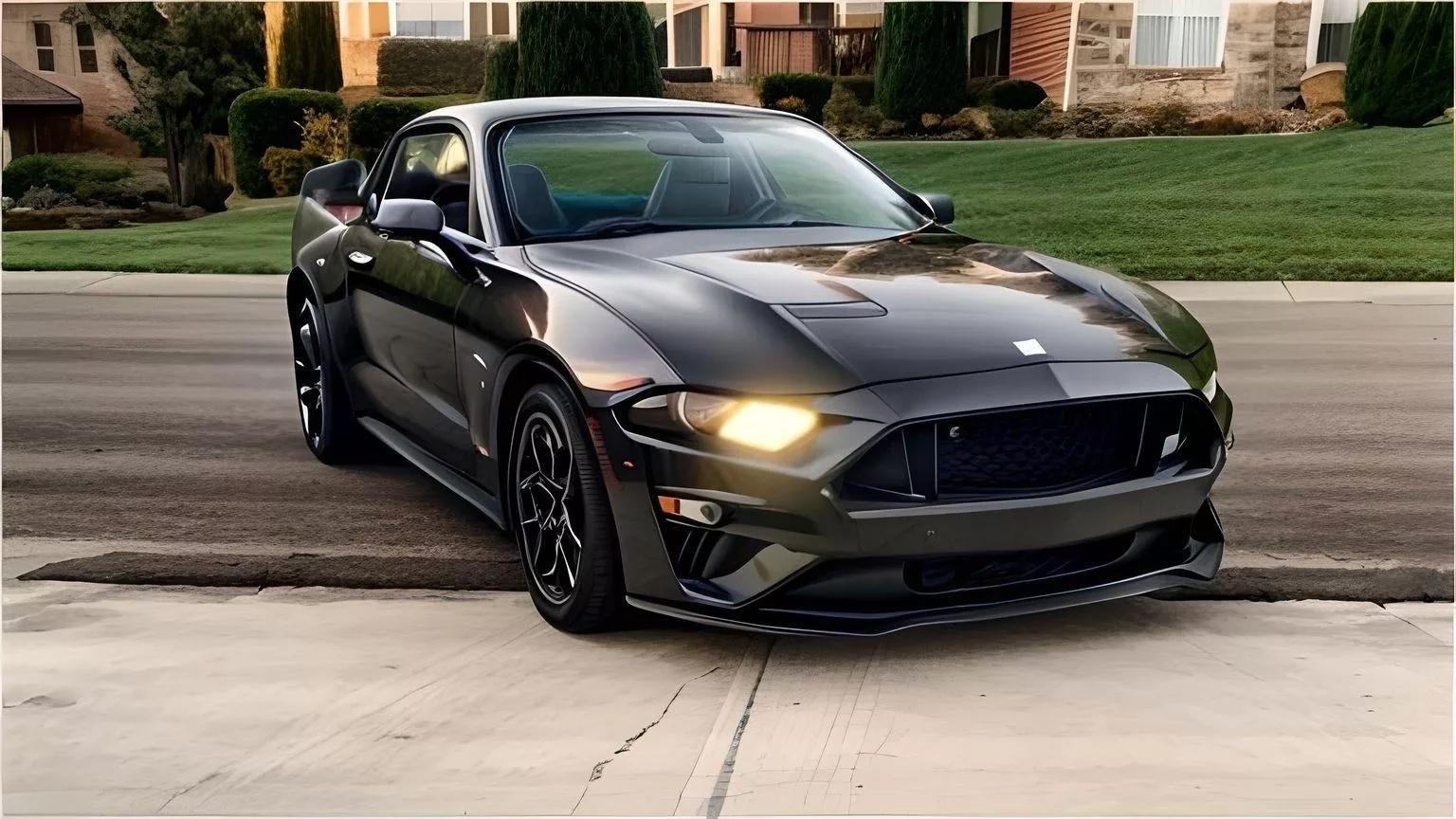
Wide view of a low-profile car driving out of a garage over a rubber curb ramp to smooth a steep driveway transition and avoid bottoming out.
steep-driveway-curb-ramp-low-car-clearance

A properly sized driveway ramp doesn’t change your car — it changes the geometry of the transition so the tires lift the chassis before the lowest point reaches the edge.

That means:

  • No front splitter damage
  • No exhaust scraping
  • No repeated bottoming out
  • No creeping in at an extreme angle just to avoid contact

If you drive a low-clearance vehicle and your driveway causes scraping, the issue is rarely the car — it’s the angle.

Find the Right Ramp for Your Driveway

Every driveway scraping issue falls into one of four common scenarios. Once you identify which one matches your setup, choosing the correct ramp becomes straightforward.

Rounded Curb

Car scrapes where the street meets the driveway.

If your vehicle contacts the ground at the curb transition — especially on rolled or rounded curbs — you likely need a ramp designed to smooth that street-to-concrete angle.

This setup reduces the harsh breakover point at the gutter and allows the tires to lift the chassis before the front bumper reaches the slope.

👉 View Ramps for Rounded Curbs:

rubber-driveway-curb-ramp-steep-home-entry
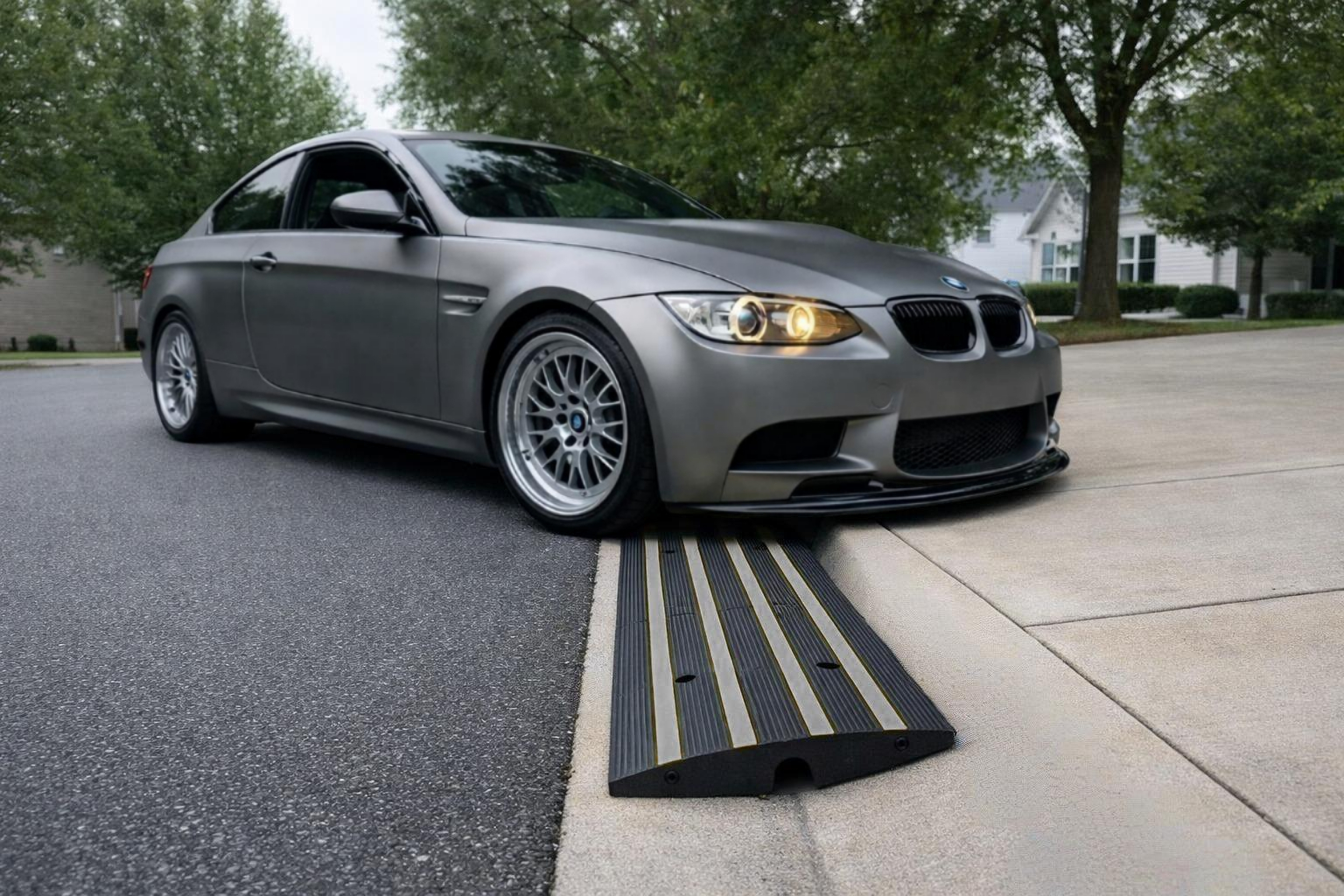
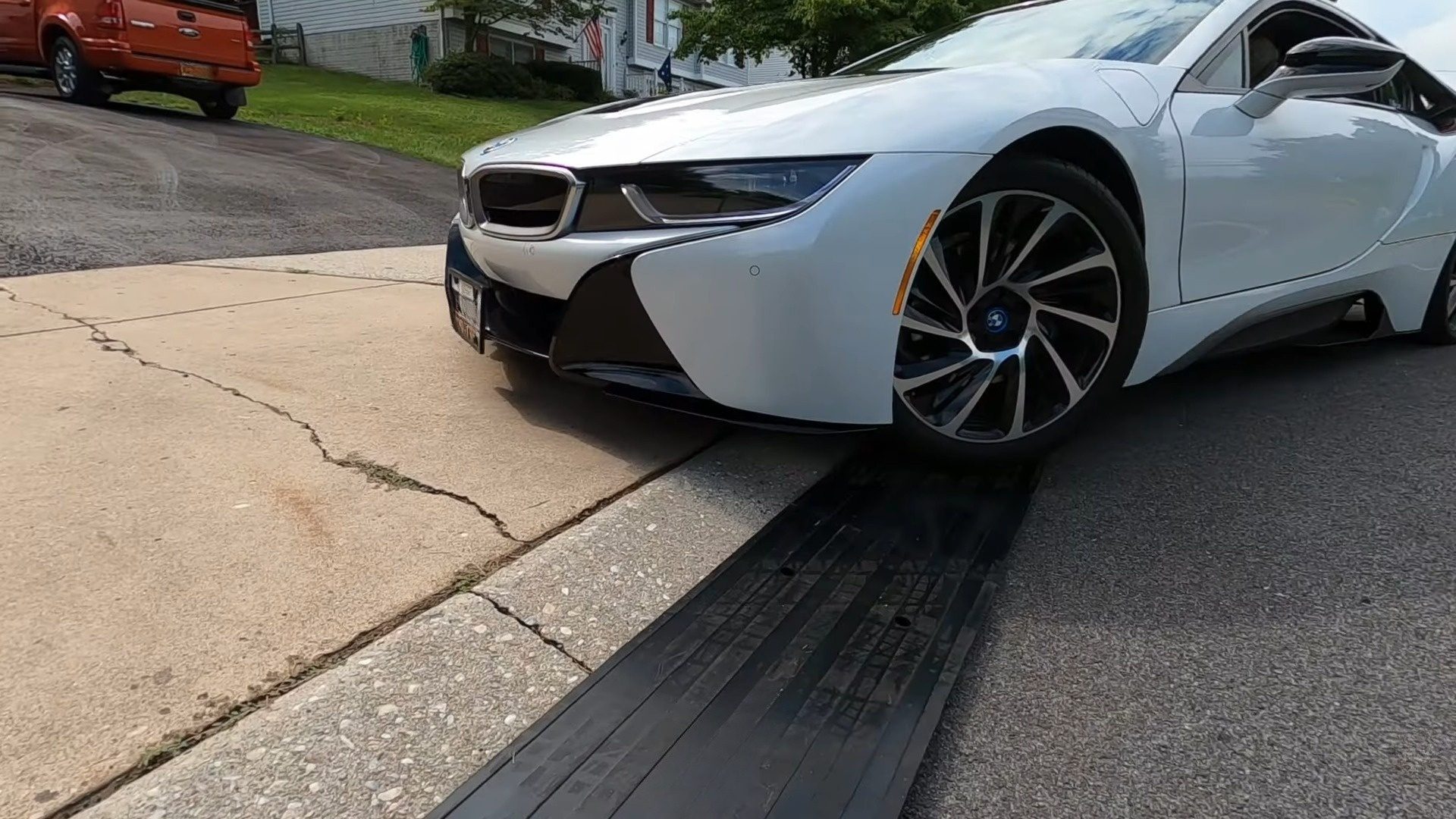
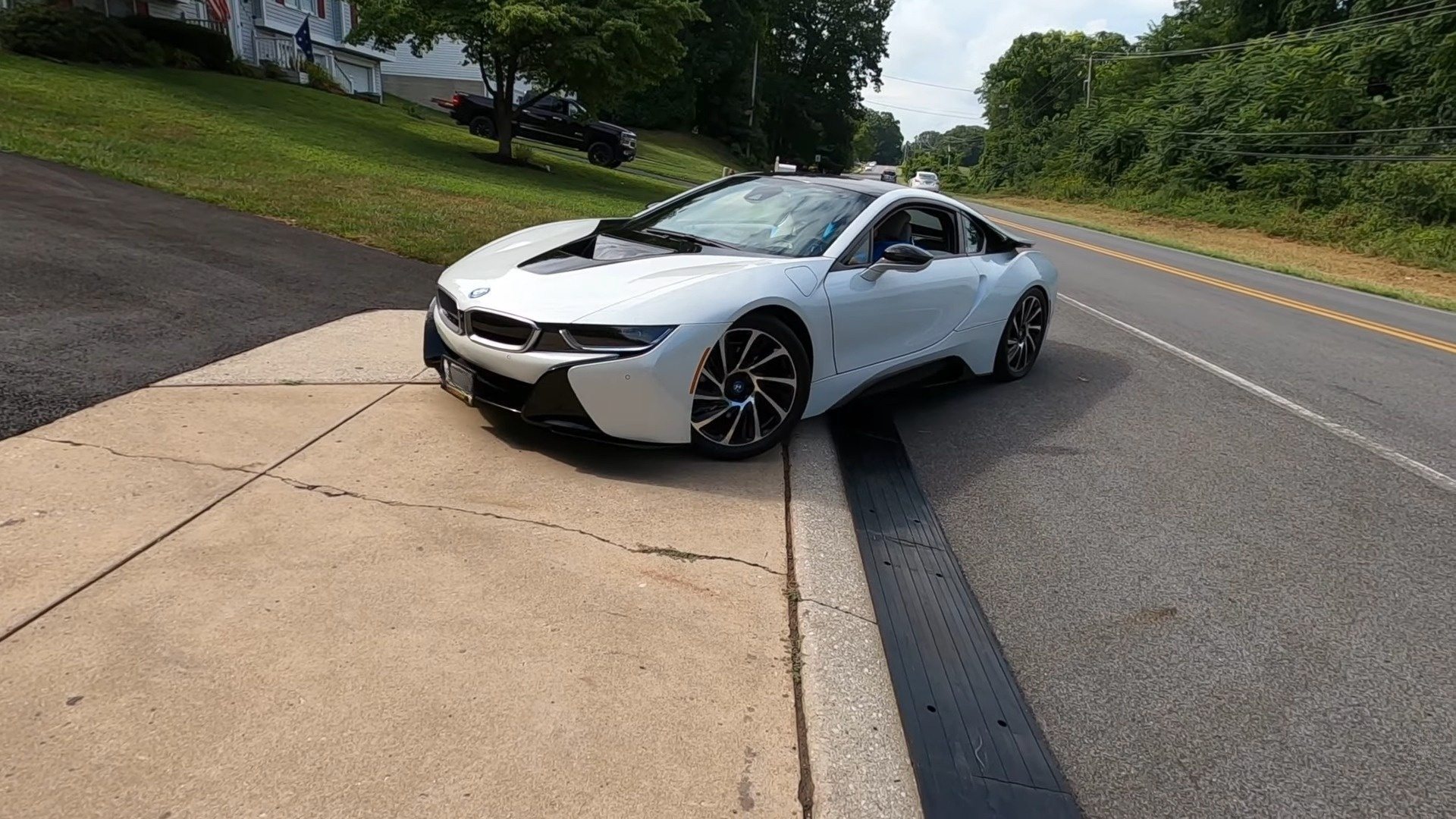
BMW i8 using a driveway-side and street-side ramp setup to cross a steep gutter lip without scraping the front bumper.

Driveway Lip / Threshold

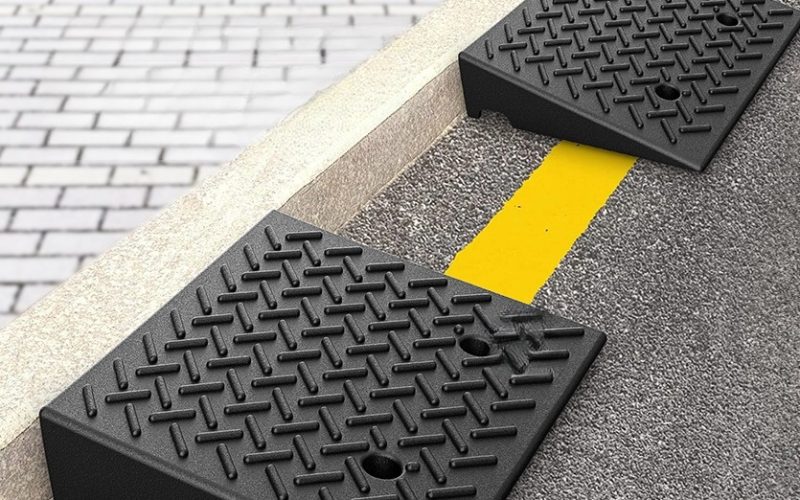
Small concrete edge at the curb or garage entry.

If there’s a visible 1–2″ vertical lip where your driveway meets the street or garage floor, that edge is often what causes repeated bottoming out.
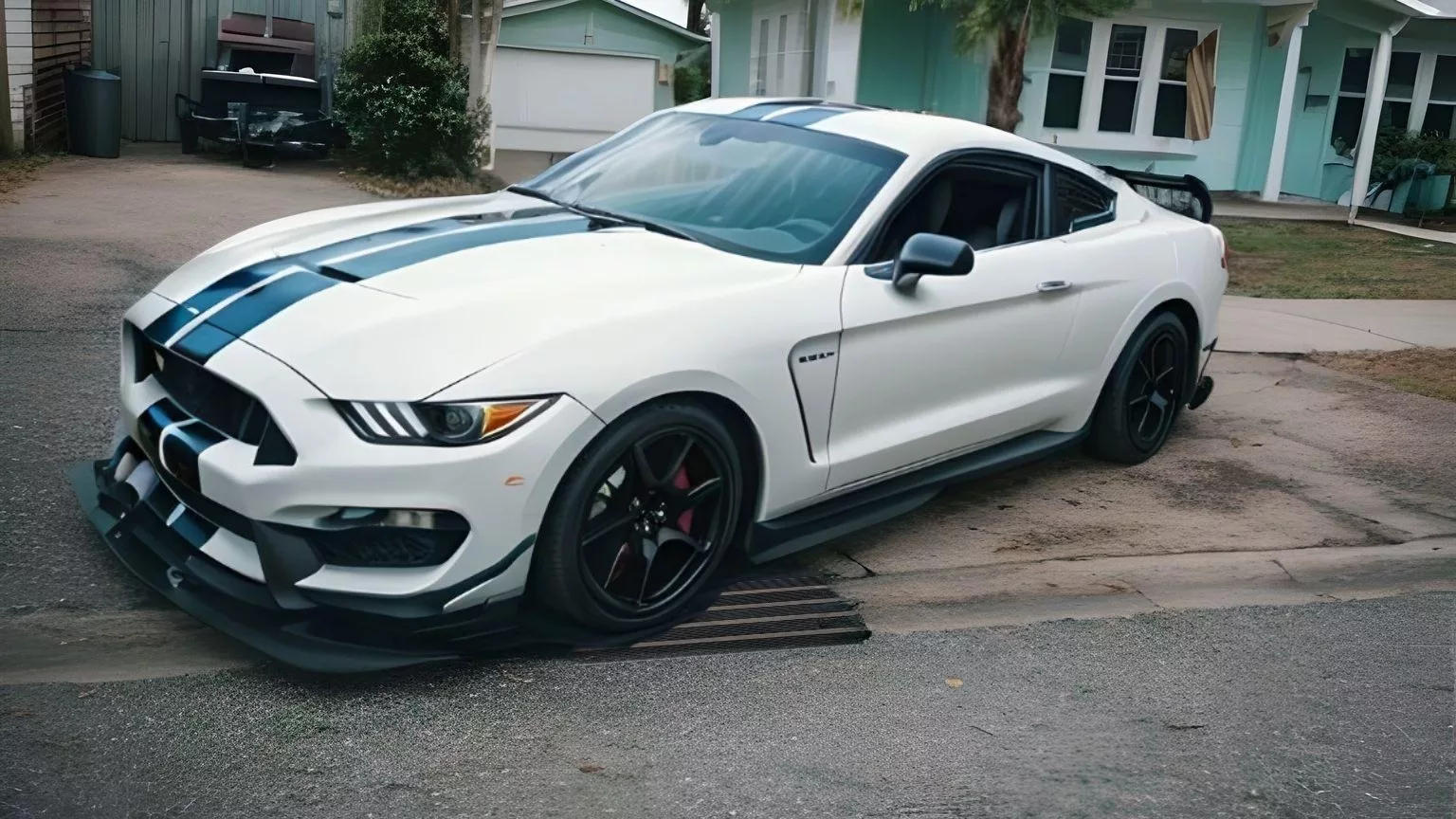
A properly sized ramp fills that lip and creates a gradual transition instead of a sharp impact point.
👉 View Ramps for Driveway Lips & Thresholds:

Ridge / Drop-Off

Car bottoms out in the middle of the driveway.
If your vehicle clears the curb but scrapes further up the driveway, you may have a ridge, hump, or slope change causing the undercarriage to contact the concrete.
These setups require ramps designed to smooth mid-driveway transitions rather than just the curb.

👉 View Ridge & Drop-Off Solutions:

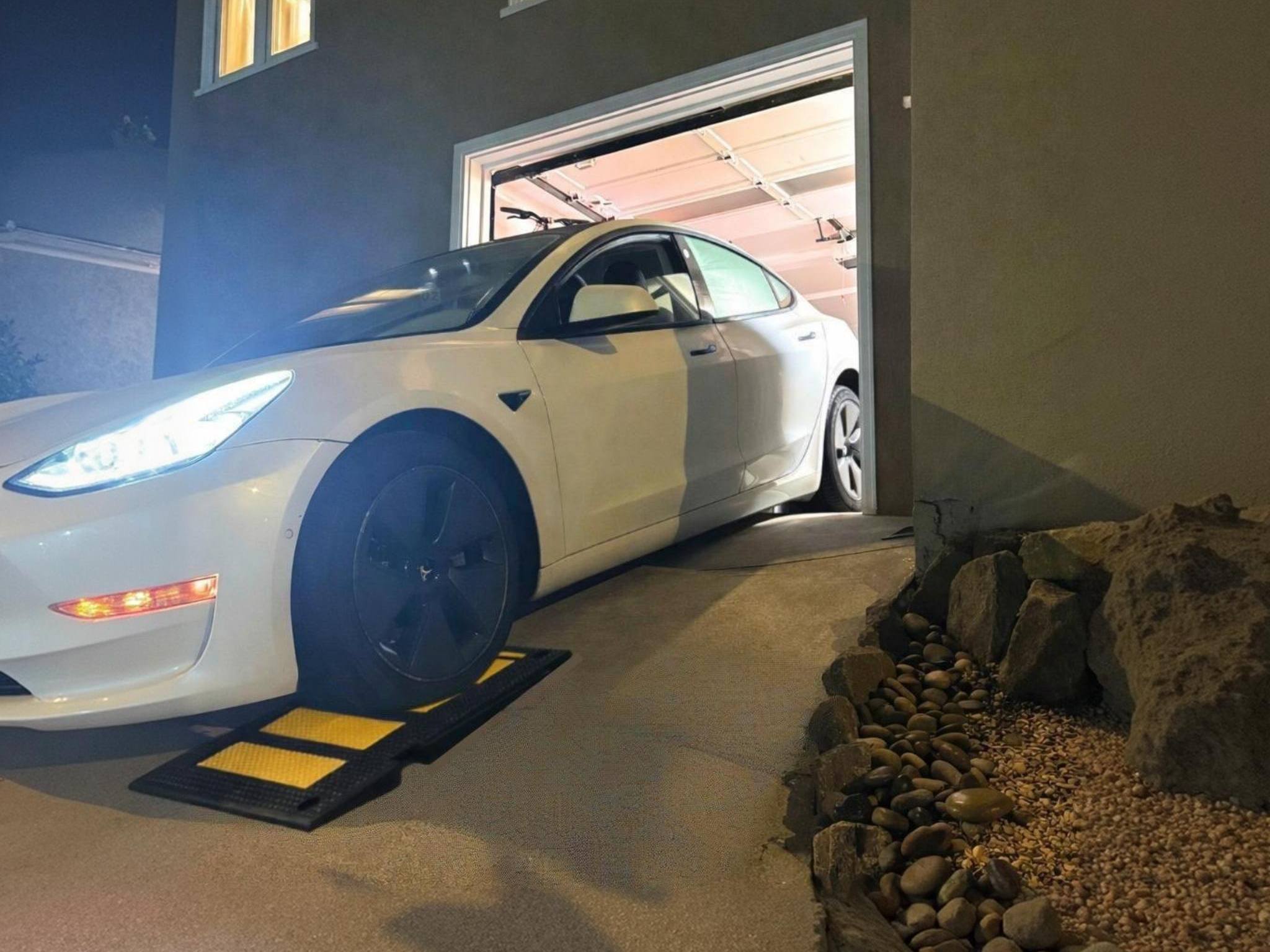
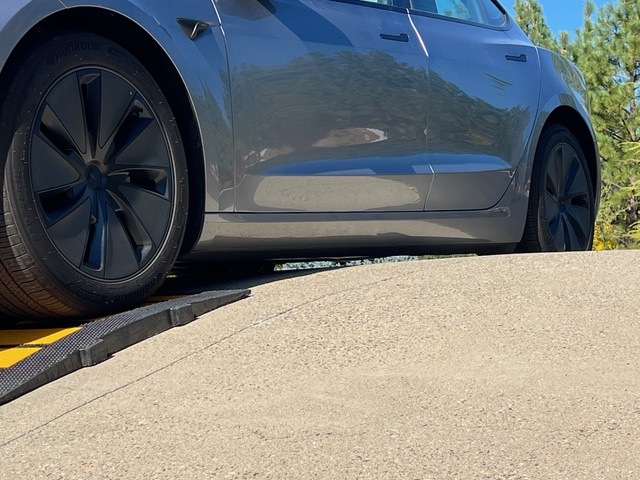
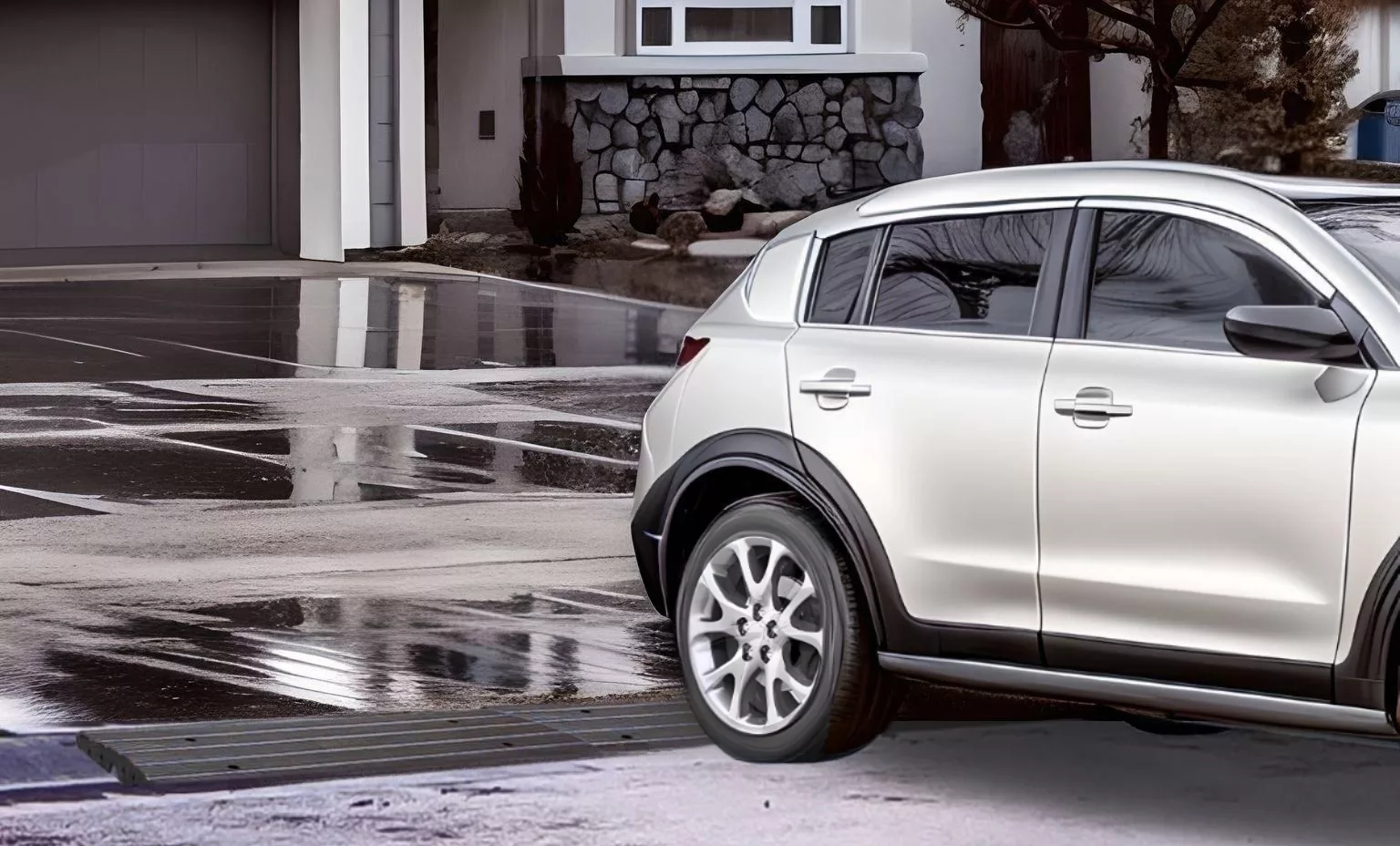
Tesla with low ground clearance climbing a steep driveway using a rubber driveway ramp to avoid scraping.
Low sports car using modular rubber ramps to prevent front lip scraping on a steep driveway transition.

Driveway → Garage Transition

For steep declines into a garage.

If your car scrapes when entering a garage from a steep driveway — especially at the bottom where the concrete changes angle — the issue is typically a sharp interior transition.

Garage entry ramps smooth that final drop and prevent repeated contact at the threshold.

👉 View Garage Entry Ramps:

If you’re unsure which category fits your driveway, start by identifying where the contact occurs — at the curb, a vertical lip, mid-driveway, or at the garage entry. Matching the ramp to the exact transition point is what eliminates driveway scraping for low-clearance vehicles. If you’re still unsure which height or setup is right, email us at curbramp.us@gmail.com for a free consultation and we’ll help you choose the correct solution.